
Owala Canada: The No‑Nonsense Guide to Finding, Using, and Loving Owala Bottles Across the Country
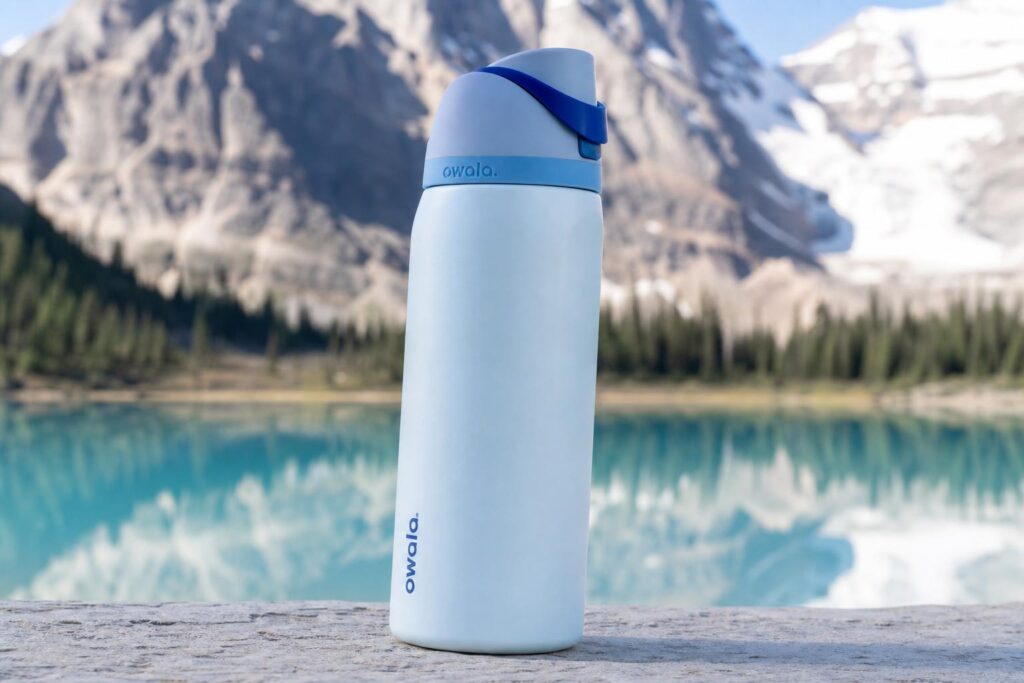
If you’ve spotted bright, candy‑coloured bottles on the GO Train, in a Vancouver spin class, or dangling from a stroller in Halifax, chances are you’ve seen an Owala. The brand built a following fast, thanks to a clever lid that lets you sip through a straw or tilt back for a gulp—without swapping parts. This guide focuses on Owala Canada: what to buy, where to get it at a fair price, how to care for it in a northern climate, and how it stacks up against the heavy hitters Canadians already know—Hydro Flask, YETI, and Stanley.
We’ll keep it practical. You’ll get real buying advice (including common Canadian retailers and price ranges), everyday use tips that match our weather and commute habits, and a look at materials, safety, warranty, and regulations that actually apply here. By the end, you’ll know whether an Owala FreeSip, Tumbler, or kids bottle makes sense for your routine—whether that means hikes in Banff, brutal January bus stops in Winnipeg, or a packed classroom in Laval.
Owala at a Glance: Why the FreeSip Caught On in Canada
Owala is best known for the FreeSip lid—a push‑button top with a protective cover and two ways to drink: a built‑in straw for quiet, controlled sipping, and a larger spout for tipping the bottle back when you’re parched post‑workout. No swapping lids. No loose straws rolling in your gym bag. For commuters on the TTC or STM, that one‑hand open makes a real difference when your other hand is clenched around a pole or a mitten.
Under the lid, the insulated stainless steel versions use double‑wall vacuum construction (with food‑grade stainless) to keep drinks cold for hours; the brand cites up to 24 hours in typical conditions, though results vary with ice use, ambient temperature, and how often you open the lid. Plastic (Tritan) versions give you a lighter, lower‑cost option for school, short workouts, and indoor days. The colour palette is half the fun—bright duos and trios that are easy to spot in a busy home or piled in a locker room.
For Canadians, the appeal is straightforward: hydration gear that’s durable, leak‑resistant in a backpack, and easy to clean. The straw is silicone, the stainless is 18/8, and parts are replaceable. That combination of utility, looks, and replaceable bits taps into how we actually live—especially when the same bottle has to do daycare, shinny at the rink, and a Saturday Costco run.
The Owala Lineup Available in Canada
Not every colour or size is in stock at every Canadian retailer year‑round, but you’ll typically find the core choices below. When a shade goes viral, it sells out fast, then returns quietly a month or two later. Keep your expectations flexible on colours if you’re shopping during back‑to‑school or holiday season.
FreeSip Insulated Stainless Steel (Most Popular)
The headliner. This bottle combines the dual‑mode FreeSip lid with insulated stainless steel. Sizes commonly found in Canada include mid‑range options for everyday carry and larger ones for all‑day hydration. Expect a push‑button open, a lock to prevent accidental presses, a carry loop that tucks away, and a gasketed lid designed to be leak‑resistant when closed properly.
What Canadians tend to like most: it handles ice well (thanks to a reasonably wide opening under the lid), it won’t sweat on your desk or in your bag, and the lock means a laptop is less likely to meet a puddle. If you drive, pay attention to base diameter for cupholder fit—more on that below.
FreeSip Tritan Plastic (Lightweight and Budget‑Friendly)
Looks and drinks like its stainless sibling but without insulation. The Tritan body keeps weight down for kids, indoor workouts, or folks who simply prefer something lighter. It’s also the option most likely to be fully top‑rack dishwasher safe (check the specific model guidance below), making it easier for family use and quick turnarounds between activities.
Plastic does transfer temperature faster than insulated steel, so for hot car interiors or patio sun in July, expect water to warm up sooner. For in‑class or office hours, it’s great: less weight, lower cost, and fewer dings.
Owala Tumbler (Straw‑First, Big Capacity)
The Owala Tumbler is built for straw sipping with serious volume. Compared to the FreeSip, it’s more of a desk, commute, or road‑trip companion than a running bottle. Many Canadian drivers appreciate that the large‑capacity tumbler formats are designed with cupholder‑friendly bases, and the handle makes it easy to carry from house to car to arena seat. If you like nursing iced coffee or lemon water for hours, this is your lane.
Keep in mind that tumblers are generally not designed to be leak‑proof if tipped (straws are ventilation points). They’re fantastic upright, but if you want a bottle that can survive being tossed into a pack with textbooks or hockey tape, the FreeSip bottle is safer.
Kids FreeSip
Scaled down, colourful, and built with the same two‑way drinking experience. For Canadian schools that embrace refillable bottles (most do), the smaller footprint fits classroom desks and lunch bags better. Parents love that the lids are familiar across sizes—one cleaning routine, fewer mysteries at the sink.
If your school district is strict about spill‑proof containers, test the lid thoroughly and show your child how to press the lock button. A little practice at the kitchen table saves a sticky backpack on the first day of school.
Flip and Twist Variants
Owala has offered variations focused on fast access (Flip) or a simpler, wide‑mouth twist‑off (Twist). Availability in Canada can be sporadic compared to FreeSip. If you find them, they’re worth a look based on preference: Flip for quick straw access during workouts, Twist for folks who just want a classic chug lid and easy cleaning with fewer parts.
Sizes, Capacities, and Cupholder Fit: Choosing What Works in Canada
Between iced coffee in July and salted sidewalks in February, the size you choose affects comfort as much as hydration. Bigger isn’t always better if it never leaves your kitchen because it won’t fit the Civic’s cupholder or feels like a dumbbell on a Queen Street streetcar.
| Common Owala Size | Approx. Capacity (mL) | Typical Use Case in Canada | Cupholder Notes |
|---|---|---|---|
| Kids (around 355 mL / 12 oz) | ~350 mL | School lunches, daycare, short outings | Usually fits most car and stroller cupholders |
| Mid (around 710 mL / 24 oz) | ~700 mL | Daily carry, commuting, workouts | Often fits standard cupholders; check base diameter |
| Large (around 950 mL / 32 oz) | ~950 mL | Desk days, long classes, hikes | Mixed results; many compact car cupholders are tight |
| XL (around 1.18 L / 40 oz) | ~1,180 mL | All‑day hydration, road trips, arenas | FreeSip 40 oz may be too wide; Owala Tumbler often designed to fit |
Quick sizing tip: in transit‑heavy cities like Toronto or Montréal, the 24 oz (roughly 700 mL) stainless FreeSip strikes the best balance for weight, cupholders, and desk space. If you’ll actually carry a 32 oz, go for it—but don’t buy a size that will live on your kitchen counter. In the West, where car commutes are more common, a 40 oz tumbler that still fits a cupholder is a favourite for road warriors and rink parents.
Where to Buy Owala in Canada (Without Overpaying)
You’ve got options—from national chains to local shops. Availability changes quickly, especially when certain colours go viral on social platforms. If you’re price‑sensitive, watch for seasonal sales and bundles.
Reliable Places Canadians Commonly Find Owala
- Indigo/Chapters: Broad colour selection, frequent promotions tied to back‑to‑school, Black Friday, and Boxing Week. Easy in‑store pickups in many cities.
- Amazon.ca: Look for the Owala brand store or listings sold and shipped by Amazon. Marketplace listings can include third‑party sellers—use caution and read reviews.
- Sporting‑goods and outdoor specialty stores: Selection varies by region and season. Check your local chain or independent shop; cities like Vancouver, Calgary, and Ottawa often have good stock.
- Local gift and lifestyle boutiques: Toronto’s west end, Calgary’s Kensington, and many neighbourhoods in Montréal carry trending colours. Call ahead for stock.
What about buying direct? The brand’s official site provides the most accurate info on current models and colours, and may offer shipping options to Canada. Policies, duties, and shipping costs can change—check the site’s current Canada shipping details before you click order.
Typical Canadian Price Ranges
Exact prices fluctuate with currency swings, promotions, and retailer policies. As general guidance (before taxes):
- FreeSip Insulated Stainless Steel: commonly in the mid‑$30s to mid‑$60s CAD range depending on size.
- FreeSip Tritan Plastic: typically lower, often in the $20s–$30s CAD.
- Owala Tumbler: varies by size and demand; large capacities often sit in the $40s–$60s CAD range.
- Kids bottles: generally the most affordable of the group.
Hunting for a deal? In Canada, watch these periods: back‑to‑school (late July to early September), Black Friday/Cyber Monday, Boxing Week, and spring refresh sales. Signing up for retailer newsletters and app alerts helps you catch flash discounts on colours being phased out.
How to Avoid Counterfeits and “Too‑Good‑To‑Be‑True” Listings
Fakes happen on large marketplaces. To stay safe:
- Buy from the official Owala Store on Amazon.ca or from well‑known Canadian retailers.
- Be wary of deep discounts on colours that are sold out everywhere else.
- Inspect packaging for proper branding, clean printing, and bilingual labelling (English and French). Reputable brands selling in Canada typically include French on packaging.
- Check the seller name: it should be the brand, the retailer you recognize, or Amazon itself. Unknown third‑party sellers are higher risk.
Owala vs Stanley vs Hydro Flask vs YETI (Canada Edition)
It’s hard to ignore the Stanley Quencher craze or the stalwart reputations of YETI and Hydro Flask. Here’s how Owala fits into the picture for Canadian shoppers.
| Brand | Signature Feature | Best For | Typical CAD Price Range | Notes for Canada |
|---|---|---|---|---|
| Owala FreeSip | Dual‑mode straw + open spout, locking lid | Commuting, school, daily carry | ~$30–$60+ | Leak‑resistant when closed, great colourways, popular at Indigo |
| Owala Tumbler | High‑flow straw sipping, cupholder‑friendly base | Road trips, desk days, arenas | ~$40–$60+ | Not fully leak‑proof tipped; excels upright |
| Stanley Quencher | Large handled tumbler, viral colours | All‑day sipping, car cupholders | ~$45–$80+ | Strong trend cycles; check stock and resale price spikes |
| Hydro Flask | Classic insulation with versatile lid options | Hiking, outdoor use, durable builds | ~$40–$70+ | Widely available; many accessories in Canadian stores |
| YETI Rambler | Rugged construction, premium insulation | Harsh conditions, work sites, camping | ~$45–$80+ | Pricey but tough; lots of authorized dealers in Canada |
Bottom line: if you want a secure, one‑hand‑friendly, leak‑resistant commuter bottle with a smart lid, Owala FreeSip is the standout. If you’re after a massive handled tumbler to ride in a cupholder all day, you’ll be comparing Owala Tumbler and Stanley on price, colours, and lid preference. Outdoor die‑hards who beat up their gear may still lean Hydro Flask or YETI for certain lids and accessory ecosystems. It’s not that one brand “wins”—it’s that use case matters. What do you actually do between Monday and Friday?
Materials, Safety, and Canadian Regulations
When a product touches what you drink all day, materials matter. Here’s what’s relevant in Canada and what to look for on product pages and packaging.
What Owala Uses (Per the Manufacturer)
- Stainless steel bottles: generally 18/8 (304) food‑grade stainless steel with vacuum insulation.
- Plastic bottles: typically Eastman Tritan (a durable, BPA‑free copolyester).
- Lids and straws: BPA‑ and phthalate‑free plastics and silicone components.
Brands commonly advertise “BPA‑free” and “phthalate‑free.” In Canada, BPA has been prohibited in baby bottles since 2010; for other food‑contact products, it isn’t broadly banned, but many reputable brands avoid it. If you have specific sensitivities or want the most up‑to‑date composition statement, check Owala’s current materials info or contact their support.
Canadian Regulatory Context
- Canada Consumer Product Safety Act (CCPSA): Governs consumer product safety, including general requirements to sell safe products that do not pose unreasonable hazards.
- Food‑contact materials: Health Canada provides guidance on materials that come into contact with food and beverages. Reputable brands selling in Canada align with these expectations.
- Labelling and language: Products sold nationally are typically packaged with English and French labelling, an important consideration for Quebec’s language requirements.
Always read the manufacturer’s instructions. A bottle that’s technically safe can still be misused—think hot liquids in a straw lid, contents under pressure, or tossing a hand‑wash‑only bottle into a high‑heat dishwasher cycle.
Care and Cleaning That Actually Works in a Northern Climate
Between road salt, dry furnace air, and icy sidewalks, Canadian winters are unkind to gear. Summer isn’t exactly gentle either. Keep your Owala performing with these season‑aware tips.
Dishwasher or Hand Wash?
- Insulated stainless steel bodies: generally hand wash only to protect exterior finishes and the vacuum seal. Use warm soapy water and a bottle brush.
- Lids and straws: typically top‑rack dishwasher safe. Disassemble the straw and remove gaskets where possible so water reaches every corner.
- Plastic (Tritan) bottles: often top‑rack dishwasher safe; confirm on the product page or packaging.
Pro move: add a set of slim straw brushes to your kitchen sink toolkit. In a week, you’ll wonder how you lived without them.
Dealing with Odours and Stains
Flavoured electrolytes and coffee can leave a mark. A few proven approaches:
- Baking soda paste for stubborn films on stainless steel—rinse thoroughly.
- White vinegar soak (diluted) for the lid, straw, and gaskets—rinse and air dry fully.
- A bottle cleaning tablet for monthly deep cleans—follow the product’s directions.
Dry parts separately and leave lids open overnight. A closed, damp lid is an invitation for odours.
Cold‑Weather Wisdom
- Don’t freeze a full bottle. Liquids expand; you can damage components or seals.
- Bring the bottle inside after winter car rides. Repeated freeze‑thaw cycles are tough on seals and finishes.
- Silicone gets stiffer in extreme cold. Straw flow may feel slower until it warms up.
Heat and Sun
- Keep bottles out of direct dashboard sun for hours; it can soften plastics and accelerate odours.
- Insulated bodies protect from outside heat, but lids still heat up. Warm air expands inside and can spray liquid if you pop the lid immediately after a long bake in the car.
What Not to Put in Your Owala
- Hot liquids in straw lids: not recommended. You can burn yourself and create pressure issues.
- Carbonated drinks: generally discouraged, as pressure builds and can cause leaks or spraying when opened.
- Dairy left long: if you absolutely must, wash promptly. Lids and straws trap residue you don’t want to rediscover.
Real‑World Canadian Use Cases (And What to Pick)
Commuting by Transit
One‑hand open, lockable lids shine when you’re juggling transfers. The 24 oz stainless FreeSip is the sweet spot for most commuters—fits many backpack side pockets, doesn’t hog desk space, and won’t sweat on your laptop. In winter, keep it in an inner bag pocket to avoid freeze‑induced stiffness in the straw.
Hockey Arenas and Rinks
A 32 oz bottle or a large tumbler wins here. Cold buildings are deceptive—you’ll still get thirsty chasing a toddler around or yelling for a backcheck. If you’re parking in a frigid lot, avoid leaving the bottle in the car between games. The Tumbler is great for upright sipping during long practices; the FreeSip bottle is better for throwing in a crowded gear bag without worry.
School and Campus
For K‑12, kids sizes or 24 oz plastic FreeSip keep weight down and are easy to clean nightly. For university students, a 32 oz stainless bottle parked beside a laptop means fewer refill trips during three‑hour lectures. Libraries don’t love spills; lock the lid before you move.
Hiking and Outdoor Days
Hydration bladders still dominate long backcountry days, but for day hikes in Banff or Gatineau Park, a 24–32 oz stainless FreeSip rides well in side pockets and keeps ice cold without condensation on your fleece. Bring a soft cloth to wipe dust and pine sap off colourful finishes; it keeps them bright longer.
Road Trips and Errand Days
If you live in your car between kids’ activities, an Owala Tumbler (cupholder‑friendly) will serve you best. If you want a secure option to throw in a tote when you abandon the minivan for a quick shop in Kensington Market, the FreeSip bottle is less likely to drip on produce.
Accessories, Replacement Parts, and Personalization in Canada
Good news for long‑term use: lids, straws, and gaskets are replaceable. That turns a scuffed‑up bottle into a keeper for years, which is kinder to both your wallet and the planet.
What to Look For
- Replacement lids: Match by model and size. The FreeSip lid is distinctive; double‑check compatibility notes.
- Straws and gaskets: Over time they compress or collect odours. Swap them annually if you’re a heavy user.
- Bottle boots: Silicone sleeves protect the base from chips on concrete and help with noisy desk set‑downs.
- Cleaning kits: Straw brushes, narrow bottle brushes, and gasket picks are inexpensive and make a big difference.
Where to find parts? Start with the brand’s official site and Canadian retailers that carry Owala. Amazon.ca often has genuine replacement parts—stick to the official Owala storefront to avoid mismatches.
Troubleshooting: Leaks, Squeaks, and Slow Flow
No bottle is immune to user error or wear. If something’s off, work through these checks before you blame the universe.
It’s Leaking
- Confirm the lid is locked and fully snapped shut. A single misaligned corner can defeat a gasket.
- Remove the gasket, wash it, and reseat it evenly. A hair or crumb under the seal is a classic culprit.
- Check for cracks in plastic parts after a drop in winter—plastics are more brittle in extreme cold.
- Avoid carbonated beverages. Built‑up pressure will push liquid out the moment you open the lid.
Flow Feels Weak Through the Straw
- Make sure the straw is fully seated. A half‑connected straw breaks suction.
- Confirm the air vent isn’t blocked by dried residue. A quick poke with a soft brush often fixes it.
- If you’re using lots of ice, sometimes cubes lodge near the straw. A brief tilt or shake dislodges them.
Squeaks and Odd Noises
- Clean and lightly re‑seat the gasket. A dry or twisted gasket can squeal as you open and close.
- If you’ve moved from mountain cold to a heated car, expect little pressure pings; they fade as temperatures equalize.
Lingering Smells
- Deep‑clean the lid, straw, and gasket separately. Don’t just rinse the body and call it done.
- Rotate what you drink. Strong‑flavour mixes every day will perfume any lid over time.
Sustainability, Canadian Context, and Making a Reusable Stick
Does one bottle solve plastic waste? Of course not. But switching to a reusable you’ll actually use is meaningful. Municipal tap water quality across Canada is high by international standards, and refill stations are increasingly common at schools, universities, and community centres. Pair that with a bottle that fits your life and you’ve cut hundreds of plastic bottles a year without thinking about it.
Pro tip: set one or two refill cues in your day—after you park at the office or when you pass a campus fountain—and top up by habit. The best sustainability move is the one you remember to do.
Buying Owala for Teams, Schools, and Corporate Gifts in Canada
Bulk orders for teams and staff events are popular, especially heading into tournament season or holiday gifting. A few Canadian‑specific notes:
- Budget with taxes: account for GST/HST and, where applicable, PST or QST. It’s easy to forget on larger orders.
- Lead times: colours come in waves. If you care about matching a brand palette, start early.
- Bilingual considerations: packaging and any printed inserts should accommodate English and French in Quebec.
- Personalization: engraving or printing is often handled by third‑party local vendors. Ask for samples on curved stainless if you’re particular about finish.
- Shipping: remote and Northern addresses may require Canada Post rather than couriers; confirm PO box compatibility.
Warranty, Returns, and Customer Support in Canada
Owala offers a limited warranty against manufacturing defects. In practice, here’s how it usually works for Canadian buyers:
- Retailer returns: if your bottle arrives damaged or has an immediate issue, returns or exchanges through the store (Indigo, Amazon.ca, etc.) are often the fastest fix within the retailer’s return window.
- Manufacturer support: for defects outside a retailer window, contact Owala with proof of purchase and photos. Policies can vary; check the brand’s current warranty page for Canada.
- What’s typically not covered: wear and tear, dents from drops, damage from dishwashers on hand‑wash‑only items, and misuse (hot liquids in straw lids, carbonated explosions).
Keep your receipt (digital is fine) and snap a quick photo of the box when you open it in case you need lot numbers later. It’s two seconds you’ll be glad you spent.
Price Watch: Smart Ways Canadians Save on Owala
If you like the hunt, a few strategies pay off:
- Newsletter sign‑ups: Indigo and other retailers push early notice for limited colours and clearance events.
- Cashback and points: leverage Rakuten Canada, Aeroplan eStore, or retailer credit card promos for stackable savings.
- Amazon price tracking: tools that alert on Amazon.ca price drops help you pounce on dips without daily checking.
- Colour flexibility: retiring colourways often drop in price first. If you can live without the newest palette, you’ll save.
Is Owala Worth It for Canadians?
If you want a leak‑resistant commuter bottle that’s actually pleasant to drink from, Owala FreeSip hits a sweet spot. The lid feels thoughtfully designed—no hunting for a separate straw lid for spin class and another for your desk. The stainless versions keep ice longer than you’ll likely need during a normal day, and plastic options keep weight and price down for kids or quick trips.
It’s not the only good bottle on the market. If you’re chasing ultra‑rugged builds for the job site, YETI still holds court. If a handled tumbler that lives in a cupholder is your dream, you’ll be comparing Owala Tumbler with Stanley on vibes and budget. But for most Canadian routines—commuting, school, work, arenas—Owala is practical, colourful, and easy to maintain. If that’s what you need, you’ll use it every day. That’s the whole point.
FAQ: Owala Canada
Where can I buy Owala in Canada right now?
Check Indigo/Chapters, Amazon.ca (preferably the official Owala store or sold/shipped by Amazon), sporting‑goods chains, and local lifestyle boutiques. For the most accurate overview of current colours and models, consult the brand’s official site and its Canada shipping policy.
Are Owala bottles dishwasher safe?
Lids and straws are generally top‑rack dishwasher safe. Insulated stainless steel bodies are typically hand wash only. Many Tritan plastic bodies can go top‑rack; always confirm on the product page or packaging.
Can I put hot drinks in an Owala FreeSip?
Not recommended. Straw lids aren’t designed for hot liquids—you risk burns and pressure issues. Stick to cold or room‑temperature beverages for FreeSip and similar straw‑equipped lids.
Can I use Owala with carbonated beverages or kombucha?
Also not recommended. Carbonation builds pressure that can force leaks or create spraying when the lid is opened.
Which Owala fits a car cupholder?
Mid‑size bottles (around 24 oz) commonly fit standard cupholders; larger stainless bottles (like many 32 oz and 40 oz) may not. Owala Tumblers are often designed with cupholder‑friendly bases even at higher capacities. Check base diameter for your vehicle.
Are Owala bottles BPA‑free?
Per the manufacturer, Owala uses BPA‑ and phthalate‑free materials for bottles and lids. Stainless models use food‑grade stainless steel with silicone components. For the latest materials statement, consult Owala’s official resources.
How long do Owala bottles keep drinks cold?
The brand cites up to 24 hours for insulated stainless models, depending on conditions (ice use, ambient temperature, how frequently you open the lid). Real‑world results vary—Canadian summers and winters can both push the limits.
Do Owala bottles sweat (condensate) on the outside?
Insulated stainless bottles should not sweat in normal use. Plastic bottles can sweat with cold liquids in humid conditions, just like a glass of iced water.
What size is best for school in Canada?
For elementary grades, kids sizes or a lightweight 24 oz plastic FreeSip are easy to carry and to clean. For high school and university, 24–32 oz stainless strikes a good balance between fewer refills and reasonable weight.
My Owala is leaking—what should I check?
Ensure the lid is snapped fully and locked, reseat and clean the gasket, confirm the straw is attached firmly, and avoid carbonated contents. If damage or defects persist, reach out to the retailer for returns or to Owala support with photos and proof of purchase.
Can I put my Owala in the freezer to chill it faster?
No—don’t freeze a full bottle. Liquids expand and can damage seals or components. If you want very cold water, pre‑chill the empty bottle briefly and add ice and water after.
Is there a Canadian warranty?
Owala provides a limited warranty against manufacturing defects. For Canadian customers, start with retailer returns if you’re within their window; otherwise, contact Owala support. Keep your receipt and check the brand’s current Canada warranty page for details.
Is Owala lead‑free?
Manufacturers of insulated bottles use different construction methods and materials over time. For the most accurate and current information on materials used in your specific model and batch, consult Owala’s official materials disclosures or contact support directly.
Do Owala bottles have a metallic taste?
Stainless steel can hold flavours temporarily if not cleaned well. A thorough wash with mild soap and a baking‑soda rinse usually restores a neutral taste. Avoid leaving sweet or dairy drinks in the bottle overnight.
How do I clean the straw and gasket properly?
Disassemble fully, soak parts in warm soapy water, scrub internally with a straw brush, rinse with hot water, and air dry completely before reassembly. A monthly deep clean with a cleaning tablet helps if you use flavour mixes.
Does Owala ship to remote or Northern Canadian addresses?
Policies change. If ordering online, check available carriers (Canada Post is often required for PO boxes and remote communities) and confirm any surcharges or longer timelines before completing your order.
Is the Owala Tumbler leak‑proof?
Upright, it performs well; tipped, a straw‑first tumbler is not fully leak‑proof. For backpacks or gym bags, choose a FreeSip bottle with a locked lid.
What’s the best Owala for a Canadian road trip?
An Owala Tumbler with a cupholder‑friendly base for the driver, plus a 32–40 oz FreeSip in the back seat for passengers who want a more secure option between stops. Add a bag of ice at the first gas station and you’re set.
How can I tell a genuine Owala from a fake?
Buy from official channels (Owala storefront on Amazon.ca, Indigo, and other recognized retailers), check for clean branding and bilingual packaging, and be wary of prices far below the prevailing Canadian market for the same model and colour.
Can I get replacement lids and straws in Canada?
Yes. Look to the brand’s official site and Canadian retailers; Amazon.ca often has genuine parts via the Owala store. Match the part to your specific model and size.