
Puma Speedcat: A Canadian Buyer’s Guide to the Motorsport Icon
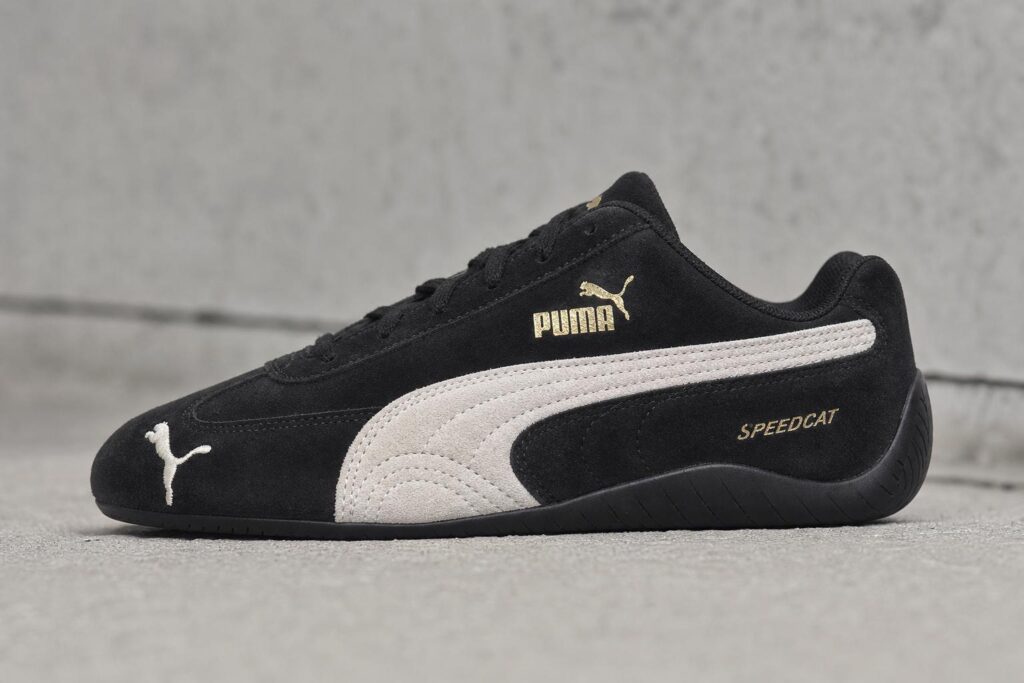
You’ve seen them flash by at the Montreal Grand Prix paddock. You’ve spotted them on Queen Street West, cutting a slim profile under cuffed jeans. The Puma Speedcat is one of those rare sneakers that bridges two worlds: it looks like a racing boot but lives easily on Canadian sidewalks. If you’re thinking about picking up a pair—or wondering whether they’re worth it in 2026—this deep dive covers what matters: fit, comfort, materials, where to buy in Canada, how to avoid fakes, and whether these motorsport-inspired shoes can handle real Canadian life from Vancouver rain to Toronto streetcar grit.
We’ll go beyond the checklist and into practical details. How does the low-profile sole feel after a full day? Can you actually drive better in them? What happens when Calgary slush hits suede? And what are your options if you need more support without sacrificing that gorgeous pedal-ready silhouette? Let’s get into it.
What Is the Puma Speedcat, Really?
The Puma Speedcat is a low-profile sneaker inspired by professional racing footwear. It borrows lines and functional cues from fireproof driver boots—rounded heel, thin rubber outsole, and sleek, glove-like upper—then translates them into a lifestyle shoe you can wear every day. While the true racing versions must meet strict homologation standards, the street-ready Speedcat is all about style, pedal feel, and comfort around town.
In short: it’s a minimalist, motorsport-flavoured shoe that looks fast even when you’re standing still. In Canada, it has long been a quiet favourite among drivers, design fans, and anyone who appreciates simple, purposeful footwear that doesn’t scream for attention.
Motorsport Roots Without the Pit Lane Fire Suit
Puma’s motorsport credentials are deep. The brand has outfitted professional racing teams and drivers for years, including collaborations with Scuderia Ferrari, BMW M Motorsport, and Mercedes-AMG Petronas. The Speedcat family emerged from that environment. The original competition boots were built for pedal finesse, heat resistance, and track safety. The Puma Speedcat OG takes those design ideas—especially the thin sole and curved driver’s heel—and turns them into a daily-wear sneaker that channels the energy of the paddock without requiring an FIA sticker.
If you’re looking for the exact kind of footwear used in sanctioned racing, you’d be shopping for Puma’s professional models with fire-resistant materials and FIA approval. If you want the streetside, style-forward version inspired by the track, the puma speedcat is the classic starting point.
Anatomy of the Speedcat: Why It Feels Different
The Speedcat silhouette is exceptionally low to the ground. The rubber outsole is thin compared to standard sneakers, and the heel is rounded to make footwork more natural when moving across pedals. The upper traditionally features supple suede for a soft hand-feel and a clean look that ages gracefully with proper care. Most pairs come with a simple EVA or foam footbed—comfortable for casual walking but intentionally not plush. That restraint is the point: the shoe preserves ground and pedal feedback instead of burying your foot in cushioning.
The toebox runs on the narrow side. The laces sit low and close to the foot. Once broken in, the shoe feels like a slip-on glove with laces—easy to wear, easy to drive in, and versatile enough to work with jeans, cargos, or tailored joggers.
Popular Variants You’ll See in Canada
You’ll encounter several Speedcat-related names online and in Canadian stores. Here’s how they typically differ:
- Puma Speedcat OG: The staple lifestyle model. Usually suede, minimal cushioning, thin rubber outsole, classic T-toe. Clean branding and a timeless silhouette.
- Puma Speedcat LS (and other leather takes): A leather upper instead of suede for a smoother, slightly dressier look and easier maintenance in wet conditions.
- Puma Speedcat Ferrari/BMW/Mercedes editions: Co-branded motorsport versions with team colours, badges, and sometimes subtle material tweaks.
- Puma Speedcat Pro (or race-specific boots): Not the same as the OG lifestyle sneaker. Built for the track with specialized materials and safety features; usually not meant for everyday street wear.
If your goal is daily wear and stylish driving comfort, you’re probably looking for the Speedcat OG or an LS/Leather variant. If you’re shopping for sanctioned motorsport use, the lifestyle Speedcat won’t qualify—stick to homologated racing boots.
Puma Speedcat vs. Drift Cat, Future Cat, and Replicat: Which One Fits You?
Puma’s motorsport line has several siblings that share DNA with the Speedcat but serve different tastes and needs. Understanding the differences helps you make the right call the first time—especially if you’re ordering online from a Canadian retailer and want to avoid return shipping.
Speedcat vs. Drift Cat
The Puma Drift Cat is often the Speedcat’s closest rival. It’s sleek and low, with a racer profile. But where the Speedcat leans into suede heritage and a more classic, rounded look, the Drift Cat usually gets a modern, synthetic or leather upper with more pronounced panel lines. Comfort-wise, they feel similarly close to the ground. The Drift Cat can come off a touch more contemporary; the Speedcat, more timeless. If you like a stealthy, minimalist shoe, the Speedcat wins. If you prefer a sharp, sculpted sneaker, the Drift Cat might edge it.
Speedcat vs. Future Cat
The Future Cat pushes the motorsport aesthetic further with split or accentuated details and a bolder toe shape. It has that unmistakable race boot vibe—great if you want your footwear to be a conversation piece. The Speedcat is more subdued, more wearable with a broad range of outfits, and tends to age better across trends.
Speedcat vs. Replicat
The Replicat, particularly older Replicat-X styles, took inspiration from racing tires and offered a more aggressive outsole geometry. It feels more like a design experiment than a purist’s driving shoe. If you want pure pedal feel, the Speedcat’s thin sole and rounded heel are hard to beat. If you want a “motorsport-meets-streetwear” statement, Replicat scratches that itch.
Alternatives Outside Puma
If you care most about driving feel, you’ll also see Piloti (a Canadian-founded brand well-known among enthusiasts), Sparco, and OMP lifestyle options. Piloti’s lineup often includes casual driving shoes with more cushioning than the Speedcat, plus reinforced heels and lateral support. Sparco and OMP have lifestyle models too, though their bread and butter is race gear. These alternatives can offer wider last shapes and more arch support. But few match the Speedcat’s blend of price, availability in Canada, and iconic profile.
Fit and Sizing in Canada: What to Expect
The Speedcat runs narrow with a low-volume instep. If you have wide feet or a high arch, expect a snug first try-on. Some Canadians go up half a size for width without losing too much of that close-to-pedal feel. If you’re between sizes, think carefully about socks: thin socks keep things sleek; thicker socks can crowd the toebox.
Because the Speedcat’s upper is often suede, it will soften and conform over time. That helps, but it won’t magically transform into a wide-fit sneaker. If your feet are E or EE width, try before you buy—preferably at a Canadian retailer with straightforward returns—so you’re not stuck shipping back across provinces.
Men’s, Women’s, and Unisex Options
In Canada, you’ll find Speedcat models sold in men’s sizing and sometimes unisex listings. Women who want the men’s version typically go down 1 to 1.5 sizes from their women’s size for a comparable fit. If you prefer the women’s version (when available), you’ll get similar proportions but often a slightly different colour palette. The last shape is still on the narrow side.
Quick Size Conversion Guide (Canada/US Focus)
| Men’s (US/CA) | Women’s (US/CA) | EU | UK |
|---|---|---|---|
| 6 | 7.5–8 | 38.5–39 | 5.5 |
| 7 | 8.5–9 | 40–40.5 | 6 |
| 8 | 9.5–10 | 41–42 | 7 |
| 9 | 10.5–11 | 42.5–43 | 8 |
| 10 | 11.5–12 | 44–44.5 | 9 |
| 11 | 12.5–13 | 45–46 | 10 |
| 12 | 13.5–14 | 46–47 | 11 |
Note: Brands vary slightly; always check the specific size chart on Puma.ca or the retailer’s product page. If you use custom insoles, factor in their thickness.
Tips for Wide Feet and High Arches
- Try half a size up if you’re on the cusp; it can relieve pressure at the pinky toe without dramatically changing length.
- Swap to a thinner insole first. The stock footbed can be replaced with a low-profile insole to gain volume without sizing up.
- Use a lace-skip near the highest eyelets if the instep feels tight. This reduces top pressure while keeping midfoot lockdown.
- Expect a short break-in. Suede relaxes; leather versions are slightly slower to soften but can become equally comfortable.
Comfort and Performance in Daily Life
Let’s address the big question: are Puma Speedcats comfortable enough for full days on Canadian streets? For many people, yes—with caveats. This shoe is not a cloud-like runner. It’s intentionally low and firm, prioritizing control over cushion. If you’re on your feet for long retail shifts or walking the seawall from Coal Harbour to Granville Island, you might want more arch support than the stock setup offers.
For commuting, weekend errands, coffee runs, and a night out, the Speedcat is in its element. What it lacks in plushness it makes up for in that easy, unfussy feel you forget about until you slide into a car and notice how precise your feet feel on the pedals.
Driving Feel: Heel-and-Toe Made Easier
Whether you’re threading through Toronto traffic or practicing heel-and-toe downshifts at a lapping day in Calabogie, the Speedcat’s low profile and rounded heel make footwork smooth. The thin outsole increases pedal feedback; you sense bite points and pressure more clearly. If you’ve only driven in bulky runners or boots, the difference is immediate. No, the shoe won’t make you faster by itself, but it makes skilled inputs easier—and that builds confidence.
Daily benefit? Stop-and-go commuting is less clumsy. Parking maneuvers feel neater. And if you do the occasional spirited drive on rural Ontario roads, the Speedcat won’t fight you.
Walking and Standing: What to Know
There’s enough underfoot to handle downtown errands, but not enough to replace a proper walking shoe. A simple hack: add a thin, supportive aftermarket insole that doesn’t raise you too far off the ground. Insoles with minimal forefoot thickness will preserve pedal feel while giving your arches a boost. If you’ve had plantar fasciitis or need orthopedic support, test this setup at home first; the Speedcat’s low internal volume means bulky orthotics might be a squeeze.
Seasonal Reality Check
Summer and shoulder seasons are prime time for the Speedcat. In spring rain or Vancouver drizzle, leather versions handle moisture better than suede, though neither is a true rain boot. In winter? This is where practicality taps the brakes. The outsole is smooth, and the rubber compound isn’t designed for icy sidewalks or snow. Add road salt to the equation and suede care becomes a chore. Could you wear them indoors at the office year-round? Absolutely. For outdoor winter wear, keep a dedicated cold-weather pair (with real traction) and save the Speedcat for dry days.
Materials and Build Quality
Most Puma Speedcat OG models in Canada come in suede. It’s soft, conforms to your foot, and develops character. Leather versions exist and are great for anyone who wants easier cleaning and a slightly dressier vibe. The lining is typically textile, and the footbed is a removable foam insole. Stitching is neat, and the outsole bonds well when treated reasonably—avoid extreme heat or leaving them in a hot car.
Suede vs. Leather: Canadian Conditions Edition
Suede is beautiful but high-maintenance in wet cities. If you live in Vancouver or Halifax, plan on a high-quality water and stain protector and a consistent brushing routine. In drier prairie summers or Ontario fall days, suede is easy: brush, spray, go. Leather Speedcats shrug off light rain better and clean faster with a damp cloth. If you plan on frequent bike rides or outdoor patio sessions where drinks can spill, leather might make your life easier.
Outsole Durability
Because the rubber is thin, outsole wear depends heavily on your gait and environment. Streetcar platforms, TTC stairs, concrete concourses at Rogers Place—these surfaces are abrasive. Expect heel wear first, especially if your stride strikes hard. The good news: many Canadians report the Speedcat holding up for multiple seasons of casual wear. Rotate pairs if you want them to last longer, and avoid using them as your all-day, every-day shoe. They’re best as a go-to option in a rotation, not a single-shoe solution.
Sustainability Notes
Puma publishes ongoing sustainability initiatives under its Forever Better banner. While specifics vary by model and season, look for mentions of Leather Working Group (LWG) certification for tanneries and recycled content in linings or packaging. If sustainability drives your purchases, check Puma.ca product details and annual sustainability reports to confirm current materials and targets. Many Canadian consumers also weigh longevity as part of sustainability; caring for one well-made pair you love often beats churning through disposable sneakers.
Where to Buy the Puma Speedcat in Canada
Want to skip customs fees and courier surprises? Start with Canadian retailers. Puma Speedcat availability fluctuates with colourways and collaborations, but the core model returns regularly. Here’s where to look first, what to expect on price, and how to dodge unnecessary costs.
Authorized Retailers and Typical Experiences
| Retailer | Shopping Notes | Typical Price Range (CAD) | Returns/Policies (Summary) |
|---|---|---|---|
| Puma.ca | Broadest selection of Puma Speedcat OG and motorsport collabs when in season; frequent email promos | ~$110–$150+ depending on edition | Usually straightforward returns; free shipping thresholds often apply; check current policy |
| Sport Chek | Occasional stock; watch for Friends & Family or seasonal sales | ~$100–$140 | Commonly 30–60 days with receipt; varies by season and condition |
| Foot Locker Canada | Urban colourways show up seasonally; good for trying sizes in person | ~$110–$150 | In-store and online policies differ; verify before purchase |
| Little Burgundy / Browns | Select drops, lifestyle focus; solid customer service | ~$120–$160 | Standard fashion retail returns; inspect suede before leaving the store |
| SSENSE / Simons | Curated colourways, occasional designer collabs; fast shipping in Canada | ~$120–$180+ | Clear online policies; usually smooth returns if unworn |
| Hudson’s Bay | Stock varies by location; good during holiday promotions | ~$100–$150 | Typical department store policy; keep packaging intact |
These ranges shift with currency fluctuations, inventory, and promotions. The safest play is to add your size to wishlists and sign up for alerts. For Ferrari/BMW/Mercedes logos, check both Puma.ca and brand boutiques within Canadian retailers.
Online vs. In-Store
In-store purchases let you test sizing and compare suede batches (colour and nap can vary). Online has better availability and colour range. If you order online, keep the box, tags, and all packaging intact until you’re sure they fit. Walk indoors on clean surfaces to avoid scuffing the outsole; most Canadian retailers won’t take back worn shoes.
Taxes, Duties, and Shipping—Canadian Realities
Buy from a Canada-based site whenever possible. This avoids surprise brokerage fees and import duties from US shipments. If you do order from a US store, budget for the following:
- GST/HST or GST+PST based on your province (e.g., 13% HST in Ontario; 5% GST plus 9.975% QST in Quebec; 5% GST in Alberta).
- Courier brokerage fees if not prepaid at checkout.
- Potential duty if country of origin and trade treatment don’t qualify for preferential rates.
When shopping in person across the border, remember CBSA personal exemption limits depending on trip length. If you exceed them, you’ll be assessed tax (and possibly duty) upon re-entering Canada. For simplicity, stick to Canadian channels when they have your size and preferred colourway.
How to Spot and Avoid Counterfeits in Canada
Counterfeits show up on marketplace sites and too-good-to-be-true dropship listings. Red flags:
- Unrealistic pricing on new releases or sought-after colourways.
- Generic product photos or no shots of the box label.
- Stitching inconsistencies, off-centre logos, or a chemical smell.
- Incorrect font or spacing on the size tag and box sticker.
Buy from authorized Canadian retailers or Puma.ca. If you’re using a resale platform, choose those with authentication services and buyer protection. Even then, compare the listing with product shots from official retailers. The Speedcat’s simplicity actually helps—misaligned panels and sloppy suede stand out.
When to Catch the Best Deals
Watch for Boxing Day, end-of-season sales, and mid-year promotional events. Many Canadian retailers offer newsletter codes or limited-time coupons. Student discounts may appear periodically via Student Beans or retailer-specific programs. Cashback portals like Rakuten Canada and price alerts through deal apps can stack small wins into a meaningful discount. For classic black or team editions that sell through fast, price hunting takes a back seat to securing your size.
Styling the Puma Speedcat for Canadian Cities
The Speedcat is deceptively versatile. Its low silhouette tucks neatly under slim jeans, doesn’t balloon wide-leg cargos, and won’t look bulky with tailored joggers or tech pants. The suede OG in black or dark navy hits that sweet spot between casual and sharp-casual. Leather pairs lean slightly dressier—good with structured chinos and a lightweight jacket.
Toronto, Montreal, Vancouver—Different Flavours, Same Ease
Toronto: Monochrome works—black Speedcat, charcoal denim, a crisp white tee, and a bomber for evenings along Ossington. Add a leather version if you’re ducking in and out of bars and want easy wipe-downs.
Montreal: Lean into vintage motorsport energy. Ferrari red accents with stonewashed denim and a tucked knit polo nod to the track without cosplay. The city’s creative pulse pairs well with the Speedcat’s heritage silhouette.
Vancouver: Go technical. Olive or slate Speedcats with weather-resistant chinos and a minimalist shell. If rain’s on the radar, choose leather and keep a small microfiber cloth handy to buff droplets before they spot.
Colourways and Logos
Black suede is the wardrobe anchor. Grey and navy add subtle interest while remaining versatile. Ferrari-branded editions pop harder—great if you’re hitting Festivals du monde or F1 festivities in Montreal, or want statement shoes at the Canadian Grand Prix. If you’re logo-shy, stick to tonal colourways with low-contrast branding.
Workplaces and Dress Codes
Tech offices, creative agencies, and retail environments often welcome clean lifestyle sneakers. A leather Speedcat in black or dark brown pairs with a smart-casual outfit comfortably. For more formal contexts, keep a dress shoe at your desk. The Speedcat won’t replace an Oxford, but it can glide through hybrid work weeks without raising eyebrows.
Care and Maintenance in Canadian Conditions
Suede plus salt equals heartbreak—unless you prepare. A few minutes of care extends the life and looks of your puma speedcat dramatically.
Preventive Care: The Best Upgrade You Can Buy
- Protectant spray: Use a high-quality water and stain repellent suitable for suede or leather. Two light coats before first wear, then monthly refreshes in wet seasons.
- Shoe trees: Cedar trees help maintain shape, absorb moisture, and reduce odours after wet commutes.
- Rotation: Don’t wear the same pair back-to-back in damp weather. Let them dry completely between outings.
Cleaning Suede After Salt and Slush
For light dirt: brush with a suede brush after the shoe is fully dry. Brush in one direction to lift the nap evenly.
For salt stains: mix a 50/50 solution of white vinegar and water. Dampen a clean cloth and gently dab the stained area. Blot with a dry cloth, stuff with paper to hold shape, and let dry away from direct heat. Once dry, brush to restore the nap. Repeat if faint rings remain.
For oil spots: sprinkle cornstarch, let sit overnight, and brush off. If the mark persists, a suede eraser can help. Avoid aggressive scrubbing; it can burnish the nap.
Leather Care
Wipe with a damp cloth and mild soap if needed. Dry thoroughly, then use a neutral conditioner sparingly to keep the leather supple. Avoid heavy waxes that can alter colour or finish.
Storage and Long-Term Care
Store in a cool, dry space away from heat sources. Keep the box and silica packets; they help control humidity. Don’t stack other shoes on top—Speedcats are low and can crease easily under pressure. If they get soaked, remove the insole, stuff with paper, and air-dry. Never use a radiator or hair dryer; direct heat can delaminate glue.
Motorsport Use in Canada: What’s Allowed and What’s Smart
Can you use Puma Speedcat OG shoes on track in Canada? For casual lapping days at many Canadian circuits, footwear rules are usually simple: closed-toe shoes. The Speedcat qualifies for that baseline. For autocross events run by local clubs, similar rules often apply—closed-toe shoes with good control. However, for sanctioned racing that requires fire-resistant gear and homologation, lifestyle Speedcats are not compliant. They’re not flame-resistant, and they lack the required certifications.
Track Days and Lapping Events
Policies vary by organizer and venue—think Calabogie Motorsports Park, Canadian Tire Motorsport Park, Area 27, or Shannonville. Most HPDE (High-Performance Driver Education) days require long pants, a helmet meeting current standards, and closed shoes. Fireproof boots are rarely mandatory for non-competitive lapping, but always read the event’s rules. Even if permitted, consider the safety trade-offs when pushing hard.
Karting
For rental karting across Canada, closed-toe shoes are typically required; the Speedcat is ideal for pedal precision. For competitive karting under club or series rules, check footwear requirements—some specify the level of protection or coverage. In any setting, prioritize grip and control over fashion. A dedicated karting boot may offer better ankle protection.
Sim Racing
On a home rig with load-cell pedals, the Speedcat’s thin sole shines. You’ll feel modulation better than in thick trainers. It’s also more comfortable than socks during long stints and preserves your pedal faces. If you’re serious about consistency, a dedicated pair for the rig keeps your everyday soles clean and pressure points predictable.
Common Problems and How to Solve Them
No shoe is perfect. Here are the issues Canadians most often report with the Puma Speedcat and how to address them before they sour the experience.
Toe Box Pressure
If your pinky toe feels pinched, first try a thinner insole and thinner socks. Loosen the bottom eyelets slightly, then snug the midfoot and top to keep lockdown. If the pressure persists, a half size up might be in order. Suede softens, but it’s not a miracle worker for very wide feet.
Heel Slip
Speedcats sit low; some people experience minor heel slip until the upper breaks in. Use a runner’s heel lock (lace lock) on the top eyelets to secure the ankle better. Alternatively, a small heel grip pad can take up space without ruining pedal feel.
Squeaky Outsole
New pairs can squeak on polished floors. A light dusting of baby powder on the insole underside or a quick rub of the outsole on a dry concrete surface can help. If the squeak is from moisture trapped in the outsole texture, dry thoroughly and brush away residue.
Fading Suede
Sun exposure and cleaning can lighten suede over time. Protectant sprays help. If fading bothers you, choose darker colourways and avoid leaving them on sunny window ledges. Regular brushing keeps the nap fresh and colour even.
Outsole Separation
Rare on properly cared-for pairs, but any thin-outsole shoe can lift at the toe with heat exposure. Don’t bake them near heaters or in hot car trunks after a summer track day. If separation starts, stop wearing them and consult the retailer; Canadian stores are generally helpful if you’ve treated the shoes responsibly and you’re within the return or warranty window.
Returns and Your Rights
Most major Canadian retailers accept returns on unworn footwear within 30–60 days with a receipt and original packaging. Policies vary, especially on discounted items. If the product is defective, consumer protection laws in provinces like Quebec provide additional rights. Wherever you live, document the issue promptly and contact the retailer; polite persistence and clear photos typically lead to fair outcomes.
Value and Whether the Speedcat Still Makes Sense in 2026
Is the Puma Speedcat worth it today? If you want a minimalist, motorsport-inspired shoe with excellent pedal feel, yes. Few sneakers capture that balance of heritage design and modern usability at this price point. Compared to buying niche driving shoes from race shops, the Speedcat costs less, is easier to style, and is available at mainstream Canadian retailers—with frequent sales.
Who Should Buy It
- Drivers who appreciate pedal sensitivity and controlled footwork.
- Minimalist sneaker fans who prefer low, sleek silhouettes over chunky cushioning.
- People who rotate shoes and don’t expect one pair to cover winter ice, slush, and daily marathons on foot.
Who Should Skip
- Anyone needing generous arch support or wide-fit lasts out of the box.
- Canadians who want one do-everything pair including icy winters and heavy rain—this isn’t it.
- Shoppers who dislike suede maintenance (choose leather Speedcats or a different model altogether).
Cost-Per-Wear Perspective
At roughly $110–$150 CAD retail (more for co-branded editions), a Speedcat worn weekly for two years brings the cost-per-wear down quickly. Add basic care, avoid harsh winters, and you’ll extend that timeline. If you land a sale price and protect the suede, the value proposition gets even stronger.
Actionable Buying Checklist for Canadians
- Try on in-store if possible; if ordering online, buy from Canadian retailers for clean returns.
- Decide on suede vs. leather based on your climate and maintenance tolerance.
- Consider a thin supportive insole if you need more arch without losing pedal feel.
- Spray protectant before first wear; keep a suede brush handy.
- Reserve them for dry days in winter; rotate shoes to extend life.
- Avoid suspicious marketplace listings; stick to authorized sellers to dodge counterfeits.
Frequently Asked Questions
Are Puma Speedcats good for driving?
Yes. The thin rubber outsole and rounded heel provide excellent pedal feedback and smooth footwork, especially for techniques like heel-and-toe. They’re a favourite among enthusiasts for daily driving and non-competitive track days where only closed-toe shoes are required.
Can I use Puma Speedcat OG shoes for sanctioned racing in Canada?
No. Lifestyle Speedcats are not fire-resistant and don’t carry homologation for sanctioned motorsport. For competitive events requiring fireproof gear, choose dedicated racing boots with current certifications.
Do Puma Speedcats run small?
They run narrow with a low-volume fit. Length is usually true to size for many people, but wide feet may prefer going up half a size. Try with the socks you plan to wear.
Are they comfortable for all-day walking?
They’re comfortable for casual wear and short to moderate walks. For all-day standing or long urban hikes, you may want more cushioning and arch support than the stock setup offers.
Suede or leather—which should I choose?
Suede offers a classic look and soft feel but needs more care in wet conditions. Leather is easier to maintain and better for rainy cities. If you live in a dry climate or plan to wear them mainly indoors, suede is great. If you’re frequently outdoors in variable weather, consider leather.
How do I clean salt stains from suede Speedcats?
Use a 50/50 mix of white vinegar and water. Dab gently with a cloth, blot dry, stuff with paper, and let air-dry. Brush with a suede brush to restore the nap.
Do Puma Speedcats work with orthotics?
They have a low internal volume. Slim-profile insoles can work, but bulky orthotics may crowd the fit. Test at home to ensure you don’t lose pedal feel or create pressure points.
Are Speedcats unisex?
Many models are effectively unisex and sold in men’s sizing. Women can typically go down 1 to 1.5 sizes from their women’s size. Check retailer size charts to confirm.
How do they compare to the Puma Drift Cat for daily wear?
Both are low and sleek. The Speedcat is more heritage and suede-forward; the Drift Cat often looks more modern and sculpted with synthetic or leather uppers. Comfort is similar; choose based on style and maintenance preferences.
Are they okay for winter in Canada?
Outdoors on ice and snow, no. The outsole isn’t designed for winter traction, and salt can damage suede. Wear them indoors or on dry days and switch to proper winter footwear for safety and durability.
What’s a fair price for Puma Speedcat in Canada?
As a general range, $110–$150 CAD for standard OG models, more for co-branded editions. Sales can bring the price under $100. Prices vary by retailer, colourway, and season.
How can I avoid fakes?
Buy from Puma.ca or authorized Canadian retailers. Beware of marketplace listings with stock images, oddly low prices, or inconsistent labeling. Inspect stitching, logo placement, and the box label font and layout.
What size should I pick for driving feel?
Stick to true length for control; don’t oversize. If width is tight, try a half-size up or a thinner insole. The goal is a close but not constrictive fit that keeps your foot planted.
Will the Speedcat crease?
Yes, especially across the toebox. It’s part of the shoe’s character. Shoe trees help minimize deep creases and keep the silhouette clean between wears.
Do they come in vegan versions?
Offerings change by season. Some motorsport-inspired Puma models use synthetic uppers, but classic Speedcat OG editions are often suede or leather. Check product details on Puma.ca for materials.
Is the Puma Speedcat still in style?
Yes. Minimalist, heritage-informed sneakers are enduring, and the Speedcat’s motorsport DNA gives it a distinct identity that doesn’t rely on trend cycles. If you like clean lines and a low profile, it’s a safe pick.
Can I wear them with business casual?
In many Canadian offices, yes—especially leather versions in darker colours. Pair with tailored chinos and a knit or a button-down. For formal meetings, keep dress shoes handy.
Do they break in?
Suede Speedcats soften noticeably over the first few wears. Leather models also break in, though it takes a bit longer. Don’t rush the process with heat; allow natural wear to shape the fit.
What’s the best colour to start with?
Black suede or leather. It’s the most versatile, easiest to style, and shows scuffs less than lighter colours.
Any tips for better traction?
This is a smooth-soled shoe. On wet or slick surfaces, walk carefully. If you need grip for winter, swap to weather-appropriate footwear. Don’t try DIY sole modifications that could damage the shoe or affect returns.
Final Take
The Puma Speedcat remains one of the cleanest, most convincing translations of motorsport design into daily life. In Canada, it makes practical sense for dry seasons, road trips, and city commutes where pedal feel and pared-back style matter. Choose suede if you love the classic look and don’t mind a brush-and-spray routine; pick leather if you prefer fast upkeep. Buy from Canadian retailers to avoid customs headaches, and treat them well—you’ll be surprised how long a slim, purposeful shoe can last when you work with its strengths instead of asking it to be a snow boot.