
Umami in Canada: The Fifth Taste, Explained and Applied in Your Kitchen
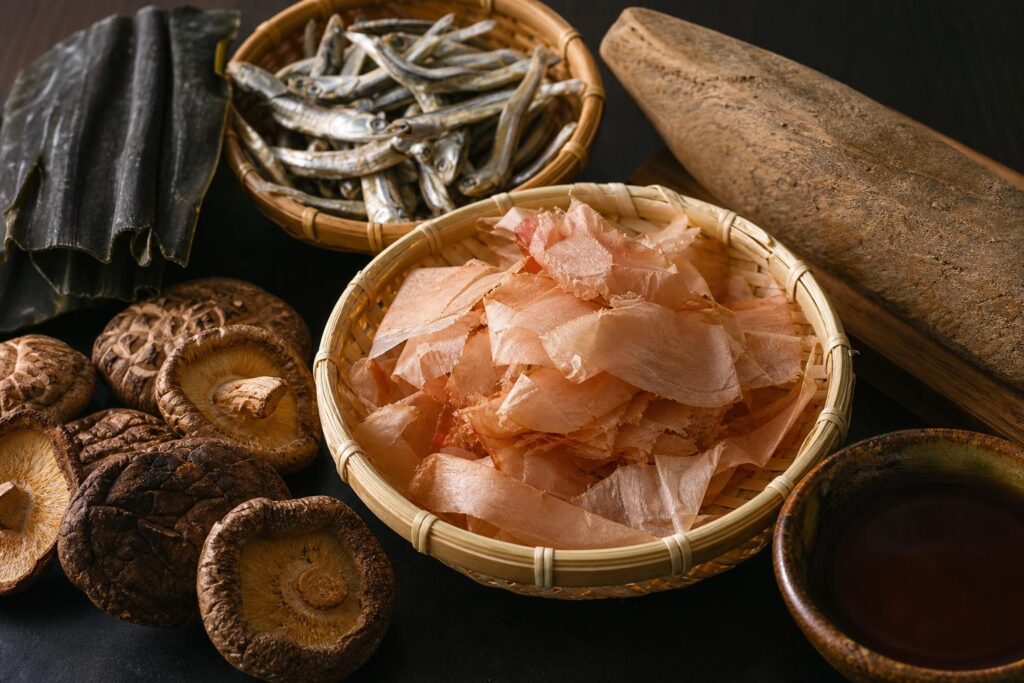
Call it savoury, meaty, brothy, or simply that “wow, this tastes complete” feeling. Umami is the fifth basic taste sitting right beside sweet, salty, sour, and bitter. Once you learn how it works and how to coax it out of ordinary ingredients, home cooking changes. Soups need fewer cubes and powders. Vegetables taste bolder. You can even cut sodium while making food more satisfying. This guide dives into the science of umami, the best Canadian pantry sources, smart cooking techniques, health and labelling facts from a Canadian lens, and a stack of practical recipes and tips you can use tonight.
We’ll keep things clear, real-world, and specific. Expect examples using ingredients you can buy at major Canadian grocers and independent shops from Vancouver to St. John’s. You’ll see how to read Canadian labels, where to splurge or save, and how to get that deep savoury depth whether you eat meat, fish, or fully plant-based.
What Umami Is—and Why Your Mouth Knows It Before You Do
Umami is the taste of glutamate and certain nucleotides (inosinate and guanylate). These molecules naturally occur in foods like tomatoes, mushrooms, aged cheeses, seaweed, cured meats, and long-simmered broths. When they hit receptors on your tongue, they register as savoury. The taste isn’t subtle; it’s a distinct signal that something nourishing—typically protein—has arrived.
The concept isn’t new. In 1908, Japanese chemist Kikunae Ikeda studied kombu (kelp) broth, isolated glutamic acid salts from it, and named the taste “umami,” which roughly means “pleasant savouriness.” Western science took a while to catch up, but by the early 2000s, researchers had identified specific taste receptors for umami on the tongue. It’s now firmly recognized as a basic taste worldwide.
Why it matters in the kitchen is simple: when you layer glutamate with certain nucleotides, flavour intensity jumps dramatically. That’s why anchovies melted into tomato sauce taste disproportionately rich, or why a mushroom-bolstered veggie chili eats like it simmered all day.
The Short Science: How Umami Works
Two main receptor systems do most of the umami sensing: a heterodimer called T1R1/T1R3, and mGluR variants. You don’t need the acronyms to cook well, but here’s the take-away that helps in the kitchen:
- Free glutamate drives the core umami taste. It’s abundant in ripe tomatoes, parmesan, kombu, soy sauce, miso, fish sauce, and slow-cooked meats.
- Inosinate (IMP) is high in meat and fish, especially cured or dried forms like bonito flakes and anchovies.
- Guanylate (GMP) concentrates in dried mushrooms, particularly shiitake and porcini.
- Synergy is real: combine glutamate with IMP or GMP and the perceived savouriness multiplies. Tomato + anchovy. Kombu + katsuobushi. Miso + shiitake. That’s the secret.
Physiologically, umami increases salivation and often makes foods feel fuller and more rounded. It can also reduce the need for added salt because savoury depth helps foods taste seasoned even with less sodium.
Umami vs. Saltiness (and What “Kokumi” Adds)
Salt is salt. It’s ionic, straightforward, and essential. Umami is not salty; it’s a separate taste that people often confuse with “seasoned.” You can have a high-umami dish that’s low in sodium (say, a kombu and mushroom broth), or a salty one that lacks savoury depth (plain brined vegetables). The magic comes when you let umami carry some of the pleasure load so you can dial salt back without losing satisfaction.
And then there’s “kokumi,” a related sensory idea often described as body or mouthfulness. Kokumi compounds—frequently small peptides formed during fermentation and aging—don’t taste savoury by themselves, but they amplify continuity and richness. Aged cheeses and long-fermented misos often deliver both umami and kokumi. If umami is the spotlight, kokumi is the room acoustics that make every note sound bigger.
The Canadian Umami Pantry: What to Buy and Where
This is the fun part. You don’t need rare imports or expensive luxuries. Most Canadian supermarkets, Asian grocers, and even bulk stores carry what you need. Build a simple set of staples and you’ll be able to turn ho-hum dinners into “where has this been all my life?” meals.
Seaweed and Dashi: From BC Kelp to Japanese Kombu
Kombu (dried kelp) is the king of glutamate. It’s the backbone of dashi, the clean, savoury broth that underpins miso soup and countless Japanese dishes. If you live near an H Mart, T&T Supermarket, or a well-stocked independent Asian grocer, you’ll find kombu in flat, dark sheets. You’ll also increasingly see Canadian-grown kelp from the Pacific and Atlantic coasts, often labelled as kelp or seaweed strips. Local companies on Vancouver Island and in Atlantic Canada harvest and farm kelp for food; these products deliver real umami and support coastal economies.
How to use it? Wipe the kombu lightly (don’t scrub off its natural white bloom—that’s glutamate crystals), soak in cold water for 30–60 minutes, then warm gently until just steaming and remove before it boils. That’s a fast glutamate infusion. Layer it with katsuobushi (dried bonito flakes) for classic dashi: the bonito brings inosinate, the kombu brings glutamate, and together they sing. If you prefer a plant-based route, pair kombu with dried shiitake. The shiitake contribute guanylate, another synergy partner.
Where to buy and what it costs in Canada: a typical 60–100 g pack of kombu usually runs $6–12 CAD. A big bag of bonito flakes might cost $8–18 depending on brand and size. Dried shiitake vary with quality; expect $6–15 for 100 g. Check T&T, H Mart, J-Town (in the GTA), and many local Japanese and Korean grocers. More supermarkets stock small packs in the international aisle.
Mushrooms: Fresh, Dried, and Wild
Mushrooms deliver umami, especially when dried. Dried shiitake are flavour torpedoes thanks to concentrated guanylate and glutamate. Porcini, morels, and chanterelles vary in umami profile but bring deep savoury notes once rehydrated and sautéed. Across Canada, you’ll find fresh BC chanterelles and wild mushrooms in season, cultivated oyster and shiitake nearly year-round, and dried assortments at Sobeys, Loblaws, Save-On-Foods, and independent shops.
Practical tip: don’t waste the soaking liquid from dried mushrooms. Strain it through a coffee filter or a fine sieve to catch grit and use it as stock. Pair mushroom liquor with tomato paste, soy sauce, or miso and you’ll get a formidable vegetarian base for gravies, stews, and noodle soups.
Soy Sauce, Tamari, and Miso: Fermented Pillars
Soy sauce is a fermentation triumph loaded with free glutamate and deeper flavour compounds. Japanese-style (koikuchi) brands like Kikkoman and Yamasa are reliable and widely available. Chinese-style and Korean-style soy sauces have their own profiles—some darker, some sweeter, some more assertive—excellent for braises and stir-fries. Tamari is typically brewed with little or no wheat, making it a common gluten-free alternative (always check the label; not all tamari is 100% wheat-free).
Miso—the paste made by fermenting soybeans (often with rice or barley)—is another compact umami source. White (shiro) miso is milder and slightly sweet; red (aka) miso is fuller and saltier; mixed (awase) sits between. Stir a spoonful into broths at the end of cooking, whisk into dressings, marinate fish or tofu, or mash into butter for a fast umami glaze. You’ll find miso at major supermarkets, Asian grocers, and health food stores across Canada. Craft miso makers do exist here; check local farmers’ markets and specialty shops for regionally made versions with unique grains and legumes.
Fish Sauce, Anchovies, Bonito, and Tinned Fish
Fish sauce (nuoc mam or nam pla) is liquid umami. A few drops transform soups, dressings, and marinades. Vietnamese and Thai brands are common in Canada; quality varies, but even budget bottles deliver serious savouriness. Red Boat and similar brands made with only anchovies and salt are prized for clean flavour. Anchovy fillets, anchovy paste, and bonito flakes (katsuobushi) bring inosinate to the party, sparking synergy with tomatoes, miso, or mushrooms.
Don’t overlook tinned fish. Canadian pantries are full of sardines, mackerel, tuna, and salmon. They bring umami, healthy fats, and value. Flake a tin of sardines into tomato sauce, add lemon, and you’ve got a fast, nutrient-dense pasta that tastes slow-cooked.
Aged Cheeses: From Quebec Oka to Parmesan
Cheese gains umami as it ages because proteins break down into free amino acids, including glutamate. Parmigiano Reggiano is the cliché example because it’s true: a few grams grated into soup or salad dressing can rescue a flat dish. But Canada has its own umami-rich cheeses. Quebec’s Oka, aged cheddars from PEI or Ontario, and well-aged Gouda or Alpine-style cheeses all contribute savoury depth. Keep a parmesan rind in the freezer and toss it into simmering beans or soup; it gently releases glutamate and body without over-salting.
Tomatoes, Tomato Paste, and Sun-Dried Tomatoes
Ripe tomatoes are naturally high in free glutamate. That’s one reason a spoonful of tomato paste—the concentrated, cooked-down essence—adds near-instant savouriness to stews and sauces. Sun-dried tomatoes multiply that effect. For plant-based cooks in Canada, a triple-hit of tomato paste, dried shiitake stock, and a splash of soy or miso is a fast track to deep, meaty flavour without meat.
Nutritional Yeast, Fermented Pastes, and “Secret” Boosters
Nutritional yeast brings a cheesy, nutty, umami-forward taste to vegan cooking. Stir it into soup, sprinkle it on roasted veg, or blend it into a cashew cream sauce. Other fermented condiments—gochujang (Korean red pepper paste), doubanjiang (Chinese fermented broad bean and chili paste), ssamjang, and black bean paste—deliver both umami and complexity. They’re easy to find at H Mart, T&T, and many mainstream grocers’ international aisles.
And then there’s MSG—monosodium glutamate. More on the health and labelling below, but from a culinary standpoint, it’s pure, predictable umami. A tiny pinch can sharpen flavours and let you save salt without losing pleasure.
Label Reading in Canada: CFIA and Health Canada Basics
In Canada, packaged foods list ingredients in English and French. “Monosodium glutamate” or “MSG” will appear plainly when used. You’ll also see flavour-boosting ingredients like yeast extract, hydrolyzed vegetable protein, and “natural flavours” that can contain compounds related to savoury taste. If you need to manage allergens, remember that soy, wheat (in many soy sauces), fish, and shellfish must be declared. The Canadian Food Inspection Agency (CFIA) enforces labelling, and Health Canada sets policies and safety assessments for additives. Both agencies publish guidance you can check if you’re curious about a specific product or claim.
Cooking Techniques That Unlock Umami
You can have the right ingredients and still miss the mark if you handle them the wrong way. Extracting savouriness is about gentle coaxing and smart layering rather than brute force.
Stocks, Broths, and Dashi: Clear and Deep
Good stock is the original savoury builder. The key: low and slow to extract glutamate and gelatin without clouding or bitterness. Pressure cookers work too—excellent, in fact—just avoid overcooking delicate aromatics. For plant-based stock, lean on dried mushrooms, kombu, tomato paste, and browned onions or leeks. For classic dashi, do not boil kombu; heating too aggressively can produce off notes. Steep it warm, remove it, then briefly steep bonito or shiitake. The result is clean, clear umami you can deploy across cuisines, not just Japanese cooking.
Browning and the Maillard Effect
Umami isn’t the Maillard reaction, but the two are good friends. Browning proteins and sugars on the surface of food creates hundreds of aromatics that amplify savouriness. Brown mushrooms in a wide pan with plenty of room so they sear instead of steam. Roast tomatoes to condense their glutamate. Sear meat hard, then deglaze the fond with wine or stock to pull those flavour bits into your sauce. Just don’t burn; bitter edges cancel savoury depth.
Fermentation and Curing at Home (Safely)
Short ferments like miso marinades and shio koji are uncomplicated and extremely effective. Shio koji, a mixture of koji rice, water, and salt, breaks down proteins and adds both umami and subtle sweetness. Rub a thin coat on chicken thighs or tofu, rest in the fridge for a few hours to overnight, wipe off, and cook. With miso marinades, keep it chilled and avoid cross-contamination. For more advanced fermentation (e.g., fish sauce analogues, long ferments), follow trusted, tested recipes and food safety guidelines from verified sources; Canadian public health units have resources on safe fermentation practices, especially for pH and temperature control.
Layering and Synergy on Purpose
Build dishes like this:
- Base: onion, garlic, or leeks for aroma; tomato paste or miso for glutamate.
- Boost: dried mushrooms or mushroom powder (guanylate), or a little fish sauce/anchovy (inosinate).
- Round: a fat carrying flavour (olive oil, butter, sesame oil) and a splash of acid (vinegar, citrus) to wake it up.
- Finish: a small MSG-salt blend or grated aged cheese if it fits the dish, plus herbs for freshness.
That’s how you make a 20-minute weeknight soup taste like it simmered all Sunday.
Plant-Forward Umami
Vegetarian and vegan cooking actually has an advantage: you’re forced to be deliberate about savouriness. Use dried shiitake or porcini to make a quick stock, sauté mushrooms until well browned, add tomato paste, soy sauce or miso, and a hint of smoked paprika if you want a charred illusion. Nutritional yeast finishes sauces with a parmesan-like top note. Seaweed adds the clean, oceanic side of umami without animal products. The synergy still works: glutamate from tomatoes or miso + guanylate from dried mushrooms = big flavour.
Health, Sodium, and Safety: A Canadian Perspective
Let’s clear the air. MSG is one of the most misunderstood ingredients in North America. Regulators, including Health Canada and international bodies like the Joint FAO/WHO Expert Committee on Food Additives, consider monosodium glutamate safe for the general population when used as intended in food. The body treats glutamate from MSG the same as glutamate from tomatoes or cheese. Many studies over decades haven’t found consistent evidence of harm.
What about the “Chinese Restaurant Syndrome” stories? Modern clinical research hasn’t confirmed MSG as the cause of a unique, reproducible set of symptoms in the general population under normal food conditions. Some people report sensitivity, especially when consuming very large amounts on an empty stomach, but those cases are not the norm. If you feel unwell after certain foods, trust your experience and adjust. Otherwise, using modest amounts of MSG at home is considered safe by Canadian authorities.
Using Umami to Lower Sodium
MSG contains about one-third the sodium of table salt by weight. More importantly, umami lets flavours pop so you can use less salt overall. A simple, effective approach for Canadian home cooks:
- Make a “umami salt” blend: mix 2 parts kosher salt with 1 part MSG by volume. Use this anywhere you’d normally use salt on savoury foods. Most people find they can reduce total sodium 25–40% without the food tasting under-seasoned.
- Swap 1–2 teaspoons of soy sauce in place of some salt in soups, dressings, and marinades. It adds sodium, yes, but the savoury lift often means you need much less total salt.
- Use glutamate-rich bases—tomato paste, miso, mushroom stock—then season to taste at the end.
Watch Canada’s front-of-package nutrition symbol rules, which flag prepackaged foods high in sodium, sugars, or saturated fat. If you’re developing or choosing products, umami strategies can help keep sodium in check without sacrificing taste.
Allergens and Dietary Restrictions
Soy sauce and miso contain soy; many soy sauces also contain wheat or barley. If you need gluten-free, choose certified gluten-free tamari or coconut aminos (note: coconut aminos are sweeter and less umami-dense; you may need more). Fish sauce and bonito are fish products; anchovy is fish. Always check labels for “Contains” statements—Canadian regulations require clear declaration of major allergens like soy, wheat, milk, fish, and shellfish.
For infants and young children, Canadian guidelines emphasize limiting sodium. You can lean on tomato, mushrooms, and herbs for savouriness and avoid adding MSG or salty condiments to baby foods. For pregnancy and breastfeeding, MSG is not specifically contraindicated at typical food levels, but a whole-foods-first approach with moderate seasoning remains wise.
Eating Out in Canada: Where to Taste Umami
Once you start noticing savoury layers, you’ll see them everywhere on Canadian menus:
- Ramen shops in Toronto, Vancouver, Calgary, and Montreal craft broths full of glutamate from bones, kombu, and dried fish. Even vegetarian ramen leans on shiitake, miso, and seaweed.
- Vietnamese pho restaurants across the Prairies and Atlantic Canada coax inosinate from beef and bones, then round it with spices and sometimes fish sauce.
- Classic Quebec casse-croûte gravy for poutine is umami-forward from stock and long simmering; add mushrooms for a meatless depth boost at home.
- Smoked salmon on the West Coast layers umami with kokumi from curing and smoking. A small portion carries big flavour.
- Plant-based bistros often tap mushrooms, kombu, miso, nutritional yeast, and roasted vegetables to build body and depth without animal products.
If you’re watching sodium, ask for sauces on the side, choose broths described as “light” or “clear,” and drink water. Remember: the savoury taste itself isn’t the issue; it’s how much salt rides along with it in some restaurant foods.
Smart Shopping Across Canada: Prices, Sources, and Storage
You don’t need everything at once. Pick 3–5 versatile umami boosters that fit your cooking style. Store them well and rotate through them. Here’s a practical look at where to find staples, rough price ranges, and how to use them quickly.
| Item | Typical Canadian Sources | Ballpark Price (CAD) | Storage | Quick Use |
|---|---|---|---|---|
| Kombu (kelp) | H Mart, T&T, Japanese grocers, some Loblaws/Sobeys | $6–12 per 60–100 g | Cool, dry; lasts 1+ year | Steep for dashi; add a strip to bean pots or rice cooking water |
| Dried shiitake | Asian markets, Bulk Barn (select), major grocers | $6–15 per 100 g | Airtight, cool; 1 year | Sauté with garlic; use soaking liquid for stock |
| Soy sauce / Tamari | All major grocers, Asian markets | $3–10 per 500–1000 mL | Pantry; refrigerate after opening for best flavour | Season stir-fries, marinades, soups |
| Miso | Supermarkets, Asian grocers, health stores | $5–12 per 300–500 g | Refrigerate; months | Whisk into broth at the end; mix with butter for glaze |
| Fish sauce | Asian groceries, many supermarkets | $3–12 per 250–700 mL | Pantry; long shelf life | A few drops in dressings, soups, braises |
| Anchovy fillets/paste | Most supermarkets | $2–7 per tin/tube | Fridge after opening | Melt into tomato sauce or vinaigrette |
| Parmesan / aged cheddar | All grocers; specialty cheese shops | $5–12 per 100–200 g (varies) | Fridge; rinds freeze well | Grate a little to finish soups, pastas, salads |
| Tomato paste (tube) | All supermarkets | $2–5 per tube | Fridge; months | Toast a spoonful with aromatics at the start |
| Sun-dried tomatoes | Major grocers, Italian delis | $4–10 per jar/pack | Pantry or fridge (in oil) | Chop into sauces, salads, grain bowls |
| Nutritional yeast | Bulk Barn, health stores, supermarkets | $4–10 per 150–250 g | Airtight, cool; months | Sprinkle on roasted veg; stir into soup |
| MSG (monosodium glutamate) | Asian groceries, some supermarkets | $3–7 per 250–500 g | Dry pantry; long shelf life | Mix with salt; add a pinch to taste |
Recipes and Ratios: Fast Paths to Savoury Depth
You don’t need to memorize techniques. A few reliable formulas will give you consistent results. Adjust for your taste and the ingredients you have on hand.
Classic Dashi (Kombu + Bonito)
Makes about 1 litre
- Wipe 10 g kombu with a damp cloth. Soak in 1 L cold water for 30 minutes.
- Heat gently until small bubbles form; remove kombu just before boiling.
- Add 10–12 g bonito flakes. Let steep off heat for 5 minutes.
- Strain. Use for miso soup, noodle broth, or to poach vegetables.
Tip: Refrigerate for up to 3 days or freeze in portions. For a stronger broth, repeat with fresh kombu and bonito using the strained liquid as your water.
Vegan Dashi (Kombu + Shiitake)
Makes about 1 litre
- Combine 10 g kombu, 4–6 dried shiitake, and 1 L cold water. Soak 4–12 hours in the fridge.
- Warm to just below a simmer; remove kombu. Steep 10 minutes more and strain.
Use as a base for miso soup, udon, or vegetable stews. You’ll get glutamate from kombu and guanylate from shiitake—excellent synergy, fully plant-based.
Umami Salt Blend
- Mix 2 parts kosher salt with 1 part MSG by volume (for example, 2 tbsp salt + 1 tbsp MSG).
- Optionally add 1 part mushroom powder or nutritional yeast for extra depth.
Use as finishing salt for roasted vegetables, steaks, tofu, eggs, and popcorn. Many people find they can use less total salt with this blend while getting brighter flavour.
Miso-Butter Multipurpose Sauce
Makes about 1/2 cup
- Soften 1/2 cup unsalted butter. Beat in 1–2 tbsp white or red miso, 1 tsp lemon juice, and a pinch of chili flakes.
- Smear on corn on the cob, toss with roasted mushrooms, melt over seared salmon or grilled tofu, or mix 1 tbsp into a bowl of noodles with a splash of pasta water.
Freezes well. Slice into coins and keep in a bag ready for weeknights.
15-Minute Noodle Broth (Weeknight Lifesaver)
Serves 2
- Sauté 1 small onion (sliced) and 2 cloves garlic in 1 tbsp oil until soft.
- Stir in 1 tbsp tomato paste and cook 1 minute.
- Add 750 mL water or light stock, a 5 cm piece of kombu (optional), and 2–3 dried shiitake (optional). Simmer 8 minutes; remove kombu and shiitake.
- Season with 1 tbsp soy sauce and 1 tsp fish sauce (or use 1–2 tsp miso off heat). Adjust salt to taste, or use your umami salt blend.
- Add quick-cooking greens and cooked noodles. Finish with a squeeze of lime.
Plant-based version: skip fish sauce, use miso at the end, and keep shiitake in.
Mushroom-Tomato Gravy for Poutine (Meatless, Savoury)
Makes enough for 4 portions
- Brown 300 g sliced cremini or mixed mushrooms in 2 tbsp oil over medium-high heat. Don’t crowd the pan; let them sear.
- Add 1 small diced onion and a pinch of salt. Cook until translucent. Stir in 1 tbsp tomato paste and 1 tbsp soy sauce; cook 1 minute.
- Sprinkle 2 tbsp flour; cook 1 minute. Whisk in 2 cups mushroom soaking liquid or vegetable stock.
- Simmer 8–10 minutes to thicken. Finish with 1 tsp miso off heat and black pepper. Taste and adjust salt or a pinch of MSG.
Pour over oven-baked fries with fresh cheese curds. It’s rich and satisfying without meat.
Atlantic-Style Smoked Salmon Chowder (Coastal Comfort)
Serves 4
- Sweat 1 diced onion, 1 diced celery stalk, and 1 diced carrot in 2 tbsp butter.
- Stir in 1 tbsp flour; cook 1 minute. Add 3 cups light fish stock or water plus a small piece of kombu; simmer 10 minutes and remove kombu.
- Add 2 cups diced potatoes; simmer until tender. Stir in 150–200 g flaked smoked salmon.
- Finish with 1/2 cup milk or cream (optional), 1 tsp soy sauce or a few drops fish sauce, and dill. Adjust seasoning with salt or umami salt.
Small amounts of smoked fish deliver remarkable savouriness. A few drops of fish sauce brightens the pot without making it “fishy.”
Vegetarian Chili with Deep Savoury Backbone
Serves 6
- Sauté 1 diced onion, 1 diced red pepper, and 2 cloves garlic. Add 2 tbsp tomato paste; cook until darkened.
- Add 1 tsp smoked paprika, 1 tsp ground cumin, and 1 tsp cocoa powder (optional).
- Pour in 2 cups crushed tomatoes, 2 cups mushroom stock (or water + 1 tsp soy sauce), 1 can black beans, and 1 can kidney beans.
- Simmer 25 minutes. Stir in 1 tsp miso off heat and a squeeze of lime. Taste; adjust with salt, a pinch of MSG, or more lime.
Serve with yogurt or cashew cream and fresh cilantro. Miso at the end keeps its aromatics intact and adds roundness.
Sustainability and Sourcing with a Canadian Lens
Umami doesn’t require tuna belly or imported luxury goods. Thoughtful sourcing often tastes better and supports local ecosystems and economies.
- Seaweed: Canadian kelp farms on both coasts are growing. Seaweed is fast-growing, requires no freshwater or fertilizer, and can help with coastal resilience. Look for locally harvested kelp products where available.
- Mushrooms: Wild foraging is regulated in many parks and protected areas; don’t pick where it’s not permitted. Buying from licensed foragers or reputable markets supports responsible harvesting. Cultivated mushrooms are widely available and affordable.
- Fish: When buying anchovies, bonito, and tinned fish, look for sustainably sourced labels (e.g., MSC-certified) and brands that publish sourcing info. Canadian Atlantic mackerel and sardines (when available) are lower on the food chain and generally a sustainable choice.
- Cheese and dairy: Consider Canadian producers—Quebec, Ontario, PEI, and BC have strong artisan and industrial cheesemakers. A small piece of aged Canadian cheddar can deliver the same savoury punch you might reach for with imported parmesan in some contexts.
- Reduce waste: Save parmesan rinds for stocks, freeze mushroom stems to enrich broths, and repurpose roast drippings as the base for sauces. A zero-waste mindset aligns neatly with umami building.
Troubleshooting: Common Umami Mistakes (and Fixes)
- Too salty, not savoury: Add unsalted stock or water, then re-layer umami with low-sodium sources (mushroom stock, miso at the end). A splash of acid (lemon, vinegar) can help recalibrate.
- Flat flavour: Add synergy. If you used tomatoes, introduce a touch of dried mushroom or anchovy. If you used kombu, bring in bonito or shiitake.
- Bitter edges: You likely over-browned or scorched. Strain out burnt bits, add fresh aromatics, and rebuild. Don’t boil kombu.
- Watery mushrooms: Pan too crowded. Cook in batches over higher heat, salt late, and don’t stir constantly.
- Overdoing MSG: Start small—just a pinch per serving or a 2:1 salt-to-MSG blend. If food tastes metallic or oddly sharp, you used too much. Balance with fat, starch, or acid.
Advanced Corner: Product Development and Foodservice in Canada
If you work in Canadian foodservice or CPG, umami is a strategic lever. Used smartly, it helps you meet sodium targets, reduce ingredient costs, and deliver craveability without leaning on sugar or excess fat.
- Formulation: Combine glutamate sources (yeast extract, tomato, miso, hydrolyzed vegetable protein) with IMP/GMP (from meat extracts or mushroom concentrates) for synergy. Validate with sensory testing.
- Labelling: Ensure compliant bilingual ingredient lists. “Monosodium glutamate (MSG)” must be declared by its common name. All priority allergens require clear declaration as per CFIA.
- Front-of-package symbols: Canada’s FOP nutrition labelling requires a “high in” symbol for foods exceeding certain sodium thresholds. Leveraging umami can help achieve sodium reductions while maintaining acceptance.
- Clean label strategies: Where consumer perception of MSG is a concern, yeast extract and fermented pastes can deliver similar savouriness. Be transparent; Canadian shoppers value clarity over euphemisms.
- Operations: Make concentrated broths and sauces in-house with kombu and mushrooms to reduce reliance on high-sodium bouillon. Pressure cookers and combi ovens extract flavour efficiently.
Real-World Canadian Use Cases
A few scenarios to show how this plays out in daily life from coast to coast.
- Save-on-sodium weeknight: In Winnipeg, you’re making turkey burgers. Mix in minced mushrooms, a spoon of miso, and a splash of soy instead of a full teaspoon of salt. Pat into patties. The burgers taste richer and stay juicier.
- Budget-friendly pasta in Halifax: Toast tomato paste in olive oil with garlic, melt in two anchovies, add a ladle of pasta water, finish with lemon and parsley. No parmesan needed tonight.
- Vegetarian comfort in Victoria: Brew a quick kombu-shiitake broth, add udon, baby spinach, and a spoon of white miso off heat. Top with toasted sesame oil and green onions.
- Prairie potluck chili: Boost your bean chili with dried porcini soaking liquid, soy sauce, and cocoa powder. People ask for the recipe; you quietly say, “a little umami trick.”
- Montreal late-night gravy: Transform pan juices with tomato paste, deglaze with beer, whisk in stock, and finish with miso. Pour on roasted potatoes or poutine and call it a night.
Frequently Asked Questions
What exactly is umami?
It’s a basic taste triggered by glutamate and certain nucleotides (inosinate, guanylate). People often describe it as savoury, meaty, or brothy. It’s distinct from saltiness and sweetness.
Is MSG safe to eat in Canada?
Yes. Health Canada considers MSG safe for the general population when used as a food additive. Most people can consume it without issues. If you feel sensitive, listen to your body and avoid it, but there’s no blanket prohibition or special warning required for MSG in Canada.
Does umami mean high sodium?
No. Many umami-rich foods also contain salt, but umami itself is a separate taste. You can build savouriness with ingredients like mushrooms, tomatoes, and kombu, then use less salt overall. MSG also contains far less sodium by weight than table salt and can help reduce total sodium when used wisely.
How can I add umami to vegan or vegetarian dishes?
Lean on dried shiitake or porcini, kombu, tomato paste, miso, nutritional yeast, and long cooking or roasting. Pair glutamate sources (tomatoes, miso) with guanylate (dried mushrooms) for synergy.
What’s the difference between umami and kokumi?
Umami is a taste (savoury). Kokumi isn’t a taste by itself; it describes mouthfulness or continuity often provided by peptides in aged or fermented foods. Kokumi makes flavours feel rounder and fuller.
Do Canadian labels have to list MSG?
Yes. If MSG is added, it appears as “monosodium glutamate” (often with “MSG” in brackets). Related ingredients like yeast extract or hydrolyzed vegetable protein also appear by their common names. All priority allergens must be declared.
Where can I buy kombu, miso, and dried mushrooms in Canada?
Major supermarkets carry many of these staples. For wider selection and better prices, check Asian grocers like T&T and H Mart, Japanese and Korean specialty stores, and independent markets. Health food stores and Bulk Barn often stock nutritional yeast and some dried mushrooms.
Can I be sensitive to MSG?
Some people report symptoms after consuming large amounts, especially on an empty stomach, but controlled studies haven’t shown a consistent reaction for the general population under typical dietary conditions. If you suspect sensitivity, avoid it and consult a healthcare provider if needed.
What are quick umami boosters I can add right now?
Tomato paste toasted in oil, a splash of soy sauce, a few drops of fish sauce, miso stirred in at the end, browned mushrooms, or a pinch of your umami salt blend. Parmesan rind in simmering soups works wonders too.
Is fish sauce “fishy”?
Used in drops or teaspoons, it doesn’t read as fishy; it reads as savoury and balanced. Add it early in cooking or temper with acid and aromatics. Start small and adjust.
Can I overdo umami?
Yes. Too much of any one booster can crowd a dish. Balance with freshness (herbs), acidity (lemon, vinegar), and texture. If a dish feels heavy, lighten it with greens or citrus.
How do I use umami to help with meal prep?
Batch-cook a strong mushroom-kombu broth and freeze in 1-cup portions. Keep miso-butter in the freezer. Save parmesan rinds. Make a jar of umami salt. These small steps turn leftovers into something craveable.
What about clean label alternatives to MSG?
Yeast extract, fermented pastes (miso, gochujang), tomato concentrates, and mushroom powders provide savouriness without listing “monosodium glutamate.” They still work because they deliver glutamate and related compounds—just via different carriers.
Are there Canadian ingredients especially rich in umami?
Yes: locally harvested kelp and seaweed, wild and cultivated mushrooms, smoked and cured fish, aged Canadian cheddars, and long-simmered stocks made from local bones and vegetables. Many regional dishes—from chowders to smoked salmon plates—lean on these naturally.
Final Thought
Umami isn’t a trick; it’s a language your tongue already speaks. Once you learn a few words—kombu, shiitake, miso, tomato paste, anchovy, parmesan—you start telling better flavour stories with less effort and, often, less salt. Whether you’re cooking in a Toronto condo kitchen, a farmhouse on the Prairies, a Montreal apartment, or a coastal bungalow in Nova Scotia, a small umami toolkit stretches budgets, reduces waste, and makes simple food deeply satisfying.