
Taiyo BBQ in Canada: Your Complete Guide to Japanese Grill Dining, Menus, Prices, Etiquette, and At‑Home Yakiniku
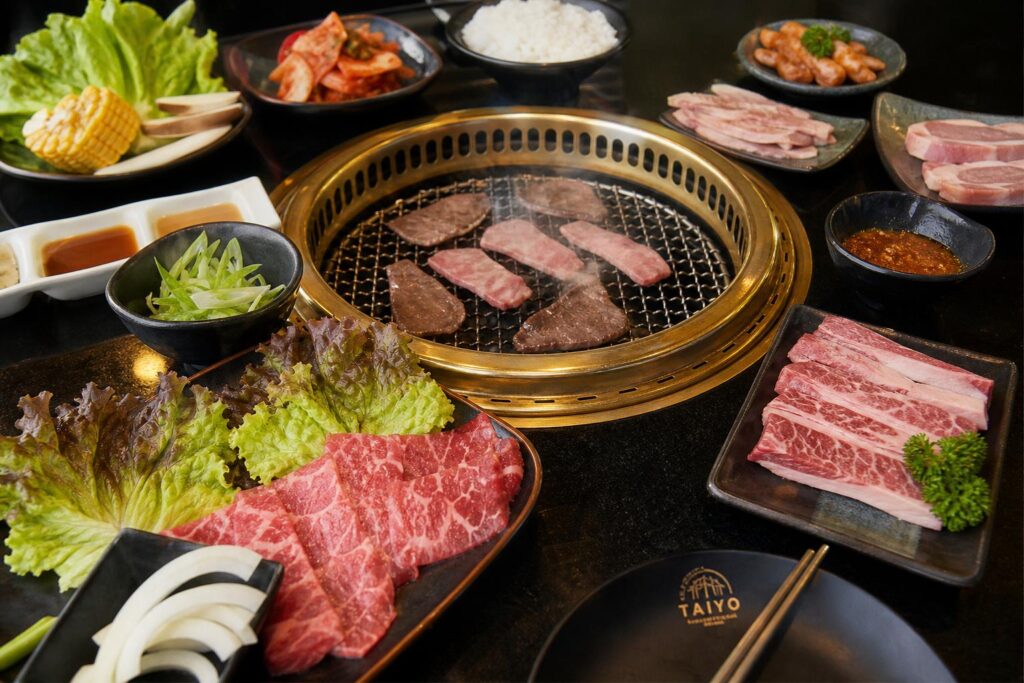
Walk into a dining room humming with conversation, the soft hiss of meat hitting hot metal, and the bright, unmistakable aroma of caramelizing soy and garlic. That’s the promise of taiyo bbq—Japanese-style grill dining that’s hands-on, social, and deeply satisfying. Whether you’re eyeing a night out in Toronto, Vancouver, Calgary, or Montreal, or you want to recreate the experience at home, this guide unpacks everything: what to order, how to grill like a pro, how much to budget, and how to navigate Canadian norms, taxes, and safety. We’ll also explore smart tips for dietary needs, kid-friendly visits, sustainable choices, and the tools you actually need to make yakiniku shine in your kitchen.
Think of this as your roadmap to a great taiyo bbq experience in Canada—without the guesswork. You’ll find practical detail you can use tonight, not vague platitudes or generic food talk. Ready to light the grill?
What “Taiyo BBQ” Means—and Why Canadians Love It
“Taiyo” means “sun” in Japanese—a fitting image for a cuisine built around heat, brightness, and the elemental pleasure of cooking over flame. When people talk about taiyo bbq in Canada, they often mean Japanese barbecue (yakiniku): thin-sliced meats and vegetables grilled at the table, paired with fragrant sauces like tare, shio-lemon, sesame, and ponzu. It’s an experience as much as a meal. You choose the cuts, you control the doneness, and you taste them seconds after they leave the grill. It’s interactive and communal without being fussy.
In Canadian cities, Japanese grill houses have surged alongside Korean BBQ, izakayas, ramen bars, and sushi counters. They slot perfectly into our dining culture: shareable plates, good drinks, a mix of casual and special-occasion energy. The formula works for birthday groups, low-key dates, and everything in between. And if you’re particular about meat quality—as many Canadians are—yakiniku showcases the cut itself rather than hiding it under heavy sauces.
Yakiniku vs. Korean BBQ: What’s the Difference?
At a glance, both styles involve grilling meat at the table. The differences show up on the plate and in the pacing. Japanese yakiniku often features thinner slices, simpler marinades, and cleaner, lean-forward sauces. Expect classics like short rib, ribeye, beef tongue (gyutan), pork belly, chicken thigh, scallops, and shrimp, plus vegetables like king oyster mushrooms and corn. Sauces tend to be light yet assertive—tare (a sweet-savoury soy reduction), lemon-salt, sesame dipping sauce (goma), and citrusy ponzu. Rice and salads play supporting roles; sides are tight, not sprawling.
Korean BBQ (KBBQ) generally leans heavier on marinades (think sweet soy-garlic kalbi, gochujang spice) and banchan—an array of small side dishes like kimchi, seasoned sprouts, and pickled veggies. Scissors appear more often for cutting larger pieces. Both are fantastic; they just scratch different itches. If you’re after pure meat flavour and you enjoy the delicate rhythms of quick grilling, taiyo bbq in the yakiniku style is your lane.
The Taiyo BBQ Experience, Step by Step
Walk into most Japanese grill houses and you’ll see a ventilation hood and a grill recessed into your table. A server sets you up with tongs, chopsticks, dipping sauces, and a short briefing: keep raw and cooked items separate, flip quickly, and call if you need the grill changed or the heat adjusted. The rest is yours to shape. Order in waves so your grill isn’t overcrowded. Start with one or two cuts of beef, a vegetable plate, and a citrusy salad. Add seafood. Experiment with sauces after tasting the meat plain. Done right, your meal builds slowly, each bite introducing a new texture.
Most restaurants will reset the grill or swap grates if flavours build up. Don’t hesitate to ask; it’s standard. If you’re grilling sugary marinades, they’ll char faster. Moving those items to the edges of the grill or turning down the heat saves you from bitterness. Think of it like managing a campfire with a conductor’s baton—heat high, then low; centre, then edge. Small moves make a big difference.
Menus and Popular Cuts: What to Look For
The best taiyo bbq menus read like a love letter to beef. You’ll often find:
- Short rib (karubi/kalbi): Marbled, tender, and forgiving on the grill.
- Ribeye (rib roast/loin): Rich, juicy slices that cook in seconds.
- Beef tongue (gyutan): Thin, springy slices that shine with lemon and salt.
- Sirloin or striploin: Leaner, clean flavour if you don’t want too much fat.
- Pork belly: Crisp edges, luscious middle; watch for flare-ups.
- Chicken thigh: Juicy, great with miso or garlic marinades.
- Shrimp and scallops: Quick-cooking, buttery with ponzu or yuzu kosho.
- Vegetables: King oyster mushrooms, shishito peppers, zucchini, onion, corn, and garlic chive (nira).
Pair your meats with a few light sides: a vinegared cucumber salad, a crisp slaw, steamed rice, and miso soup. Dipping sauces matter. Tare brings a sweet-savory glaze; sesame adds nutty depth; ponzu lends brightness. A squeeze of lemon on beef tongue might be the most satisfying three-second trick in the entire cuisine.
Meat Quality in Canada: AAA, Prime, and Wagyu Explained
Canadian diners are fortunate: local beef is excellent. You’ll see Canada AAA and Prime on menus; these refer to marbling and quality grades. AAA is already nicely marbled; Prime is richer and less common. Plenty of grill houses also feature wagyu: sometimes Canadian wagyu (often a crossbreed with marbling genetics) and sometimes imported Japanese A5 wagyu. Expect imported A5 to be priced accordingly—it’s a special-occasion splurge, and the portion will be small because it’s incredibly rich.
Curious about authenticity? True Japanese wagyu usually comes with traceable origin documentation when imported, though restaurants don’t always present it tableside. Ask friendly questions about the cut and source; reputable spots are happy to explain whether they’re serving Canadian wagyu, Australian wagyu, or Japanese A5. You can also eat brilliantly without wagyu; thin-sliced AAA short rib cooked properly will win a crowd every time.
How Much Does Taiyo BBQ Cost in Canada?
Pricing varies by city, cut, and format. Here’s a rough sense for two people sharing, excluding taxes and tip:
- A la carte yakiniku with a couple of premium cuts, seafood, vegetables, rice, and two drinks: $80–$160 total in most cities.
- Set menus (prix fixe selections for two or four): Often $35–$75 per person depending on quality and portion.
- All-you-can-eat Japanese BBQ (AYCE): Typically $30–$55 per person for dinner, with rules on time and leftovers.
Remember: Canada’s sales taxes differ by province, and tips are customary. In many cities, a party of six or more may attract an automatic service charge (often 18%). Always check the bill details. Ordering in measured waves avoids waste and surprise costs.
Taxes and Tipping: Quick Math for Major Provinces
Sales tax on restaurant meals differs by region. Here are simple examples using a $120 pre-tax food bill. Liquor can be taxed differently, but these numbers give you the gist.
| Province | Tax Type | Rate | Estimated Tax on $120 | Typical Tip Range |
|---|---|---|---|---|
| Ontario | HST | 13% | $15.60 | 15–20% on pre-tax total |
| Quebec | GST + QST | 5% + 9.975% | ~$18.0 | 15–20% on pre-tax total |
| British Columbia | GST (food), PST applies to alcohol | 5% (food) | $6.00 | 15–20% on pre-tax total |
| Alberta | GST | 5% | $6.00 | 15–20% on pre-tax total |
Many Canadian restaurants display clearly whether a service charge is applied. If you’re unsure, ask before you order. For large groups, it’s common to see 18% added automatically. Otherwise, tipping 18% on good service is a solid, no-drama default.
Reservations, Wait Times, and Group Dining
On Friday and Saturday nights, taiyo bbq dining rooms fill fast in Toronto, Vancouver, and Montreal. Make a reservation if you can. Some spots take credit card holds for big groups; it’s not unusual. If you’re walking in, arrive early or be prepared for a waitlist. Many restaurants with table grills can’t rush turnover—meals run longer than fast-casual dining by design.
For birthdays or office dinners, ask about preset menus. It’s simpler to manage, and the kitchen can pace dishes so your grill stays in the sweet spot—busy but not overrun. Let the staff know about dietary restrictions ahead of time, especially allergies. A little notice helps them set aside utensils, plan the grill order, and suggest safe options.
How to Grill Like a Pro at Taiyo BBQ
Even if you’ve never touched a grill, you can nail yakiniku with a few simple techniques. Start hot. A ripping-hot grill sears thin beef slices in seconds. Aim to flip once, maybe twice. Stop before the meat toughens. You’ll be surprised how quickly “almost there” becomes “too done.” Taste a piece plain first to appreciate the cut, then dip lightly in sauce. If a marinade is sugary, grill it at the edge or lower the heat to prevent bitter charring.
Give each cut a moment to speak. Beef tongue loves lemon and salt. Ribeye thrives with tare’s glossy sweetness. Pork belly enjoys time—crisp the edges and render the fat gently. Seafood tells you when it’s done: shrimp turn pink and curl; scallops firm up, turn opaque, and release easily. Vegetables need patience. Mushrooms are ready when they’ve softened and taken on some colour; corn benefits from a slow char that wakes up its sugars.
Food Safety You Can Trust: Canadian Temperatures and Tips
Restaurants grill thousands of items a week without incident by following good habits you can copy at the table. Use separate tongs for raw and cooked items. If you have only one pair, ask for another, or keep one set strictly for raw meat and a second for finished pieces. Don’t stack raw items on top of cooked ones. And avoid touching your chopsticks to raw food—use tongs to place items on the grill.
At home, follow Health Canada’s safe internal temperature guidance: cook whole cuts of beef, veal, and lamb to at least 63°C (145°F) and let them rest before serving; ground meats to 71°C (160°F); pork to 71°C (160°F); and poultry to 74°C (165°F). Fish is typically safe at 70°C (158°F) or when it flakes easily and is opaque throughout. With thin yakiniku slices, a reliable instant-read thermometer is helpful for poultry and ground meats; for steaks, colour and texture will guide you once you get the feel.
Allergies and Dietary Needs: Smart Moves
Common allergens at taiyo bbq include soy (in sauces), sesame, gluten (from regular soy sauce), shellfish, and occasionally nuts (in some dressings or desserts). If you’re celiac or gluten-sensitive, ask whether the restaurant has gluten-free tamari and a clean dipping bowl. Soy sauce almost always contains wheat; tamari usually doesn’t, but verify. Cross-contact can happen on shared grills and tongs, so be direct about your needs. Many restaurants can stage your order to reduce risk, but they’ll be honest if they can’t eliminate it.
For halal diners, options vary. Most Japanese grill houses are not halal-certified, but some may offer halal-friendly cuts prepared separately upon request. Always confirm sourcing and handling, and note the shared grill concern. For vegetarians, the vegetable platter, tofu, mushrooms, corn, and salads can make a solid meal, especially if the kitchen can cook vegetables on foil or a clean part of the grill to avoid meat drippings. Vegan options depend heavily on the restaurant; call ahead.
Drinks: Sake, Beer, Highballs, and Non‑Alcoholic Picks
Yakiniku pairs beautifully with crisp beer (Sapporo, Asahi, Kirin), chilled sake, or a citrusy highball. Sake lists range from house pours to premium junmai daiginjo. Not into alcohol? Yuzu soda, oolong tea, barley tea (mugicha), and sparkling water cut through richness and keep the palate fresh. If you’re in BC or Ontario, remember you must be 19+ to order alcohol; Quebec’s legal drinking age is 18. Servers will ask for ID if you look under 25. It’s not personal—it’s the law.
Thinking of bringing your own bottle? BYOW rules depend on provincial licensing and individual restaurant policy. In Quebec, “apportez votre vin” restaurants are common, but yakiniku spots may or may not have that permit. In Ontario, some licensed restaurants allow BYOW with a corkage fee. Call first; don’t assume.
AYCE vs. A La Carte: Which One’s Right for You?
All-you-can-eat taiyo bbq appeals to groups who want variety and a predictable spend. Expect time limits (often 90–120 minutes) and rules about leftovers to discourage waste. The fun is trying many cuts side by side. The trade-off can be quality and pacing—grills may run crowded if you order too much at once.
A la carte yakiniku usually means better cuts and a slower, more intentional rhythm. It doesn’t have to be expensive if you share two or three excellent items and add vegetables and rice. For date nights or celebrating a promotion, this route feels special. For an office outing or a birthday with cousins and kids, AYCE might win for simplicity. Different nights, different needs.
Choosing a Great Taiyo BBQ Restaurant in Your City
Before you book, scan three things: ventilation, meat quality, and staff attentiveness. Good ventilation means your clothes won’t smell like smoke for days and the dining room isn’t hazy. Meat quality is obvious in the first bite—clean flavour, fine marbling, and a soft finish. Attentive staff replace grates before they crust over and help you troubleshoot heat and timing. A tight, focused menu can be a positive sign; it usually means the kitchen is dialled in.
Use local inspection resources if you like to do homework. In Toronto, DineSafe posts health inspection results. Vancouver Coastal Health and Fraser Health have public listings. Montreal’s MAPAQ also publishes inspection data. High overall Google ratings with balanced, recent reviews (not all five-star raves, not a flood of one-star outliers) are a steady indicator of consistency.
Ordering Strategy: Build a Memorable Meal
Start with something bright and cold: a citrus salad, seaweed salad, or pickled cucumbers. Order one premium beef cut (karubi or ribeye) and one leaner cut (sirloin). Add a seafood item and a vegetable plate. Get rice to anchor it. Grill one item at a time. Taste plain; then experiment with sauces. When you’ve found your rhythm, add a bolder marinade or a new cut, like tongue or pork belly, to contrast texture and fat. If you’re drinking, one beer or a small carafe of sake per person usually balances rich bites without overwhelming the food.
Save a couple of vegetables for the end; they tidy up the palate. If dessert’s on your mind, light options like yuzu sorbet, mochi ice cream, or matcha panna cotta cap a heavy grill session gently.
At‑Home Taiyo BBQ: Gear, Safety, and Canadian Considerations
You can recreate the core of taiyo bbq at home with the right setup. For condos and apartments, an indoor electric grill or a butane burner with a cast-iron yakiniku plate is practical. Look for CSA-certified (Canadian Standards Association) appliances to ensure they meet Canadian safety standards. A strong range hood or a portable fan near a window keeps smoke manageable. For houses, a gas or charcoal grill works beautifully, but check municipal bylaws and house rules—many condo boards prohibit open-flame or charcoal grills on balconies, and local fire codes may restrict them entirely.
If you’re buying gear in Canada, Canadian Tire, Home Depot, and specialty kitchen shops often carry flat or ridged grill plates. Asian supermarkets like T&T, H Mart, and Galleria stock yakiniku‑friendly butane stoves and refills. Keep butane canisters upright, out of heat, and away from flames when not in use. When grilling indoors, never leave the grill unattended, and keep a lid or baking sheet handy to smother flare-ups.
Smart Shopping: Where to Find Great Cuts and Ingredients in Canada
For beef, look for thin-sliced AAA short rib, ribeye, or sirloin. Many Asian supermarkets sell pre-sliced yakiniku packs in the freezer or fresh case. Butchers can slice to order if you ask for “yakiniku-thin” and specify the cut. Costco and major grocers carry AAA and sometimes Prime; slice partially frozen meat thinly at home using a sharp knife if you can’t find pre-cut packs. For higher-end wagyu, specialty butchers and online purveyors list Canadian and imported options—expect to pay a premium.
Stock up on sauces and seasonings: soy sauce, mirin, sake, sugar, garlic, ginger, sesame oil, sesame seeds, yuzu juice or yuzu kosho, ponzu, and shichimi togarashi (seven-spice). For vegetables, king oyster mushrooms, shishito peppers, and Japanese sweet potato are excellent on the grill. Ocean Wise or MSC-labeled seafood helps you choose sustainably sourced shrimp and scallops.
Simple Sauces That Make Everything Pop
Two quick sauces carry a yakiniku night:
- Classic tare: Simmer soy sauce, mirin, sake, and sugar with smashed garlic and ginger until slightly syrupy; cool; strain. It clings to meat and delivers that “Japanese BBQ” signature.
- Negi-shio (green onion-salt): Finely slice green onions; combine with salt, sesame oil, a splash of lemon, and a bit of water to loosen. Spoon over beef tongue or chicken.
For dipping, prepare a simple trio: sesame sauce (goma), ponzu with a little grated daikon, and tare. Keep the flavours bright; let the meat lead. If alcohol is a concern, simmer sauces long enough to cook off the alcohol from sake and mirin.
Home-Grilling Timelines: Doneness Without Guesswork
With yakiniku-thin slices, seconds matter. Here are rough guides for a hot grill:
- Ribeye or short rib slices: 30–60 seconds per side. Pull early; rest momentarily.
- Beef tongue: 20–40 seconds per side. Add salt and lemon, and stop while still tender.
- Pork belly: 1–2 minutes per side; render fat gently and watch for flare-ups.
- Chicken thigh: 2–3 minutes per side, depending on thickness; ensure 74°C (165°F) internal.
- Shrimp: About 1 minute per side; cook until pink and opaque.
- Scallops: 1–2 minutes per side; look for a golden edge and an opaque centre.
- King oyster mushrooms: 2–3 minutes per side; finish with a brush of tare.
Use your senses. If marinade smoke turns acrid, lower the heat or shift to the grill’s edge. If meat tears instead of releasing, it wants another 10 seconds. Yakiniku rewards attention, not force.
Canadian Rules of the House: Balconies, Ventilation, and Fire Safety
Before you fire up a grill on a balcony, read your building’s rules and local fire code. Many Canadian condos prohibit charcoal and restrict propane and open flame appliances on balconies due to safety and insurance. Even if your municipality allows it in theory, your condo board can say no. Indoors, prioritize an electric grill or a butane stove under a strong hood and keep windows cracked. Never grill inside a closed garage or unventilated space. Keep a Class K or multipurpose fire extinguisher accessible in the kitchen and learn how to use it.
When you shop for any appliance, look for CSA or other recognized certification marks to ensure it meets Canadian standards. Replace damaged hoses, cracked grill plates, or wobbly frames. Safety gear is cheaper than a 3 a.m. call to the fire department.
Making Taiyo BBQ Family-Friendly
Kids love participatory meals. The sizzle, the sharing, the small bites—it’s tailor-made for family nights. If you’re dining out, request a corner table to keep little hands away from foot traffic and hot surfaces. Ask for extra tongs so an adult manages raw meat while kids move cooked items to their plates. Choose milder flavors—chicken thigh with salt and lemon, lightly sauced ribeye, mushrooms, and corn—and add bolder sauces to the adult plates.
At home, keep a “no-go zone” around the grill. Give kids a job that’s safe and satisfying, like garnishing with sesame seeds or mixing a simple salad. Build plates gradually to avoid overwhelm. Finish with fruit or mochi instead of a heavy dessert.
Health and Nutrition: Enjoy the Richness, Balance the Plate
Yakiniku can be indulgent, but it doesn’t need to be a salt bomb. Use sauces lightly. Alternate fatty cuts with vegetables and rice. If sodium is a concern, make your own tare with reduced-sodium soy sauce and lean on lemon and herbs. For a lighter night, anchor the meal on seafood and vegetables with one premium beef cut—the contrast keeps the experience satisfying.
Gluten-free? Bring or request tamari for dipping. Dairy-free? Most dishes are safe, but ask about creamy dressings and desserts. Watching carbs? Focus on protein and vegetables and skip the rice; the experience doesn’t hinge on it. The point is control: taiyo bbq puts the tempo in your hands.
Seasonal and Regional Canadian Highlights
Lean into local. In BC, grill spot prawns during their short spring season—sweet, delicate, quick-cooking. In the Maritimes, PEI mussels and Atlantic scallops shine; just use a grill pan so they don’t fall through. Alberta beef stars year-round; thin-slice ribeye or sirloin for unbeatable texture. In Ontario and Quebec, mushrooms and corn in late summer elevate the vegetable platter into something memorable. When you order or shop, asking “What’s local and in season?” often yields a hidden gem.
Sustainability: Choosing Better Meat and Seafood
Sustainability isn’t a lecture; it’s a few small choices. For seafood, look for Ocean Wise or MSC-certified options. For beef and pork, you won’t always see farm names on the menu, but at the butcher you can ask about producers and practices. At restaurants, moderation is your friend: order a smaller selection and savour it. Wasting less is a concrete, meaningful step you can take tonight.
Etiquette Without the Fuss
Grill houses are relaxed, but a few moves smooth the night. Don’t overload the grill; it steams instead of sears. Use communal tongs for raw meat; keep your chopsticks clean for eating. Let others have a turn placing and flipping. If someone in your group is new to taiyo bbq, hand them the first perfect piece you cook. It sets a generous tone and makes the whole table better.
Ask for help if the grill feels too hot, too cold, or too smoky. Staff would much rather adjust it than see you struggle. And if the grate gums up, request a change. It’s part of the service.
Common Pitfalls—and Easy Fixes
Burning marinades: Sugar burns fast. Grill marinated items on lower heat or at the edges; finish with a quick kiss of high heat if you want extra char. Alternatively, pat off excess sauce and dip after cooking.
Dry meat: You’re cooking too long. Pull thin slices earlier than feels comfortable; they’ll finish on the plate. If you’re home-grilling thicker cuts, rest them briefly so juices redistribute.
Smoky kitchen: Preheat properly, use a fan and a hood, and avoid oiling the grill too heavily. A light brush of oil on the meat is enough.
When Taiyo BBQ Goes Premium: Wagyu Strategy
Wagyu is rich—like steak turned up to eleven. You don’t need much. Order a small portion and share. Cook it hot and fast. Skip heavy sauces; a whisper of salt or a tiny dab of yuzu kosho is plenty. The point isn’t to get full on wagyu; it’s to experience a texture and flavour you can’t fake. Pair with a crisp, cold drink and a simple salad to clean the palate afterwards.
Price Transparency: Reading Menus and Avoiding Surprise Bills
Look for portion sizes in grams or ounces on premium cuts. Confirm whether sides are included in set menus. Ask if there’s a time limit (especially for AYCE) and if unfinished items incur a charge. For drinks, expect standard Canadian prices: beer $7–$12, sake by the carafe $12–$30+, cocktails $12–$18 depending on the city. If corkage or cake-cutting fees matter to you, ask before booking. Clarity upfront makes the last five minutes of dinner blissfully uneventful.
Payment, Splitting Bills, and Canadian Norms
Most taiyo bbq restaurants in Canada accept Interac debit, Visa, and Mastercard; many also take American Express. Splitting a bill is common practice, though some spots limit separate checks on busy nights. Tap-to-pay is ubiquitous, but bring a physical card just in case. For contactless tipping prompts, you can select a custom tip if the presets don’t match your intent. There’s no shame in tapping “Other” and choosing your number.
Bringing Taiyo BBQ Energy to a Backyard Party
Hosting at home? Set up zones. One person runs the grill; others handle marinating, plating cooked meat, and refreshing sauces. Pre-slice everything and stage it on trays. Label allergies and gluten-free items clearly. Keep a cooler of non-alcoholic drinks within arm’s reach. Put a roll of paper towels and a garbage/compost station near the action. Your future self will thank you when cleanup takes 15 minutes instead of an hour.
For the soundtrack, go with upbeat but conversation-friendly. Lighting matters; a few warm patio lights turn a cookout into an evening. And have a quiet plan for rain—an electric grill indoors, or a solid canopy that doesn’t trap smoke.
Comparing Cities: Toronto, Vancouver, Calgary, Montreal
Toronto leans variety—neighbourhoods like Markham and North York brim with Japanese and Korean grill houses, from wallet-friendly AYCE to high-end wagyu specialists. Expect waitlists on weekends and a deep bench of late-night options.
Vancouver embraces seafood and seasonal produce; don’t be surprised to see local spot prawns and BC scallops when in season. The city’s izakaya culture dovetails naturally with yakiniku—shareable plates, nimble service, and a wide sake selection.
Calgary’s steak heritage shows in beef quality. Look for AAA and Prime cuts sliced thin for the grill and a confident approach to doneness. You’ll find more gas and charcoal backyard enthusiasts too—summers are built for it.
Montreal fuses French-inflected technique with Japanese minimalism. Expect sharper wine and sake lists, and a strong appreciation for offal and specialty cuts. Keep an eye out for “apportez votre vin” licenses, though not every grill house will have one.
What to Wear—and Will I Smell Like Smoke?
Good ventilation means you’ll leave with a happy memory, not a smoky jacket. That said, choose clothes you don’t mind washing after. Skip heavy perfumes; scents fight with food. If you have long hair, tie it back when you’re at the grill. Consider glasses instead of contacts if smoke bothers your eyes. Bring gum or mints for the ride home and call it a plan.
Frequently Overlooked Details That Improve the Night
Ask for a second pair of tongs to separate raw and cooked work. Order lemon wedges if they’re not already on the table; acid unlocks flavour. Request a grate change before moving from heavily marinated meats to delicate seafood. Keep one sauce cup untainted so you can return to a clean baseline when testing new cuts. Small moves, big payoff.
How Taiyo BBQ Fits Different Budgets
On a tight budget, share a couple of cuts and keep drinks simple—tea or water. Add a vegetable plate and rice. You’ll still get the theatre of the grill and excellent bites. Mid-range nights can include a premium beef cut and a seafood pick with a drink. Splurge nights are wagyu or specialty offal, a curated sake flight, and dessert. The core joy—cooking and eating together—doesn’t change with the price tag.
Hosting a Work Event or Client Dinner
Worried about the “we all cook” dynamic with clients? Choose a restaurant that offers some chef-grilled items or a set menu where staff supports the cooking more actively. Ask for a table with stronger ventilation and space for laptops or presentation materials if needed. Keep the menu focused: two beef cuts, one seafood, vegetables, and a couple of shareable izakaya-style starters. Simplicity reads as confident, not cheap.
For the Curious Cook: Exploring Lesser-Known Cuts
Beef tongue (gyutan) isn’t as common in mainstream steakhouses, but in yakiniku it’s a star. Grilled quickly and seasoned with lemon, it delivers snap and richness without heaviness. Try harami (skirt steak) for deep beef flavour, or miso-marinated chicken cartilage (nankotsu) for texture if the menu includes it. These cuts offer a new angle on familiar animals—and they usually cost less than the marquee steaks.
Food Waste: Order Just Enough, Finish with Vegetables
The fastest way to avoid waste—and extra AYCE charges—is to order in rounds. Start small; you can always add. If you’re nearing full, stop ordering meat and grill vegetables as a soft landing. You’ll leave satisfied, not stuffed. It’s good for your wallet, the restaurant’s margins, and the planet.
When to Book, When to Walk In
If your group size is more than four, or it’s a prime time (Friday 7 p.m.), book. If it’s a weeknight or a late seating after 9 p.m., walking in might work. Some taiyo bbq spots reserve the grill tables separately from standard seating; note that when booking online. If you care about the grill style—charcoal vs. gas—ask. Many Canadian locations use gas or electric grills for safety and ventilation, with excellent results.
Photography Etiquette: Get the Shot, Then Eat
Yes, the sizzle looks amazing on camera. Snap two or three photos quickly and dig in. Meat waits for no one, and there’s no filter for overcooked ribeye. If you’re using video, keep devices clear of steam and flame, and be mindful of other diners’ privacy.
Bringing Seniors or Guests Sensitive to Heat and Smoke
Book a table farther from the room’s centre, where air tends to be calmer. Ask for reduced grill heat at first and raise it gradually. Let staff know you’re managing smoke sensitivity; they may tweak seating or ventilation. Choose lighter cuts and avoid heavy marinades if strong aromas are a concern.
Desserts That Work After a Rich Meal
Matcha cheesecake is a classic for a reason—it’s creamy but not cloying. Yuzu sorbet resets the palate in two bites. Mochi ice cream brings fun without weighing you down. If you’re hosting at home, citrus segments with a drizzle of honey and toasted sesame seeds finish the night with a gentle nod to the grill’s flavours.
Final Word: Why Taiyo BBQ Endures
It’s not just the meat. It’s the agency—the way taiyo bbq lets you set the pace, tune the heat, and pass around a perfect bite you cooked thirty seconds ago. In Canada, where food culture thrives on sharing and subtlety, yakiniku hits the sweet spot between comfort and craft. Whether you’re booking a table or lighting a grill plate in your kitchen, you now have the tools to make it memorable.
FAQ: Taiyo BBQ in Canada
Is taiyo bbq the same as yakiniku?
In practice, people use “taiyo bbq” to describe the Japanese table-grilling experience commonly known as yakiniku. You’ll find thinly sliced meats, vegetables, and light, flavourful sauces cooked at the table.
How much should I budget for a taiyo bbq meal?
For two people, expect $80–$160 before tax and tip at a la carte spots, depending on cuts and drinks. AYCE dinners range roughly $30–$55 per person. Premium wagyu and sake flights can push totals higher.
Do I need a reservation?
For weekends and groups, yes. Walk-ins may work on weeknights or later seatings, but grills turn slowly and rooms fill up.
Can I get gluten-free taiyo bbq?
Often, yes. Ask for gluten-free tamari instead of regular soy sauce, and request clean dipping bowls and careful handling to avoid cross-contact on shared grills and tongs. Confirm marinades and dressings.
What are safe cooking temperatures I should know?
Health Canada guidance: whole cuts of beef/veal/lamb 63°C (145°F) with rest; ground meat 71°C (160°F); pork 71°C (160°F); poultry 74°C (165°F); fish 70°C (158°F) or until opaque and flaking. Thin yakiniku slices cook fast—watch closely.
Is taiyo bbq all-you-can-eat?
Some Japanese grill houses offer AYCE, others are a la carte or set menus. AYCE usually has time limits and rules about leftovers. Call ahead to confirm the format and pricing.
What’s the best first order if I’ve never tried it?
Start with AAA short rib, a leaner beef cut (sirloin), a vegetable plate, shrimp or scallops, rice, and a trio of sauces (tare, ponzu, sesame). Add lemon wedges. It’s a balanced introduction.
Will my clothes smell like smoke after?
Good ventilation keeps it minimal, but you may notice a hint of grill aroma. Choose washable layers and skip heavy fragrances.
Can I do taiyo bbq at home in a condo?
Yes, with the right gear: a CSA-certified electric grill or a butane stove with a grill plate under strong ventilation. Many condos ban open flame or charcoal on balconies—check building rules and local fire codes.
What should I look for in a quality taiyo bbq restaurant?
Strong ventilation, clear meat sourcing, attentive grate changes, and a focused menu. Balanced reviews and solid inspection histories (e.g., Toronto DineSafe, Vancouver Coastal Health, MAPAQ in Quebec) are good signs.
Is wagyu worth it?
For a splurge, yes—shared among the table, cooked hot and fast, and seasoned simply. It’s an experience, not a main course. AAA short rib remains a crowd-pleaser if wagyu isn’t in the plan.
What about tipping and taxes?
In Canada, 15–20% tip on the pre-tax amount is typical. Taxes vary: Ontario HST 13%; Quebec GST+QST about 14.975%; BC 5% GST on food (PST applies to alcohol); Alberta 5% GST.
Are kids welcome at taiyo bbq?
Usually, yes. Ask for a safely positioned table, keep kids away from the grill’s hot zone, and order mild cuts and vegetables. Many families enjoy the interactive format.
Can I bring my own wine?
Sometimes, depending on provincial licensing and the restaurant’s policy. In Quebec, some restaurants have BYOW (“apportez votre vin”); in Ontario, some licensed spots permit corkage. Always call first.
Any simple at‑home sauce I can make quickly?
Mix soy sauce, mirin, and sake with a bit of sugar, garlic, and ginger; simmer to reduce; cool and strain. For a bright counterpoint, combine chopped green onion, salt, sesame oil, and lemon juice.
Is taiyo bbq spicy?
Not by default. Japanese yakiniku focuses on savoury and citrus notes. You can add heat with shichimi togarashi, chili oil, or yuzu kosho if you like.
How do I avoid overcooking?
Grill fewer pieces at once, flip early, and pull meat before it looks fully done; it finishes on the plate. Keep sugary marinades to the grill’s edge and use high heat for quick sears.
What if someone in my group has a severe allergy?
Call ahead to assess whether the restaurant can manage cross-contact risks on shared grills. If in doubt, consider a spot with kitchen-cooked items or an at-home meal where you control equipment.
Can I eat taiyo bbq if I’m watching calories?
Yes. Focus on lean cuts and seafood, go light on sauces, and load up on vegetables. Skip or halve the rice and keep drinks simple.