
Triglycerides in Canada: What Your Numbers Mean, Why They Matter, and How to Lower Them Safely
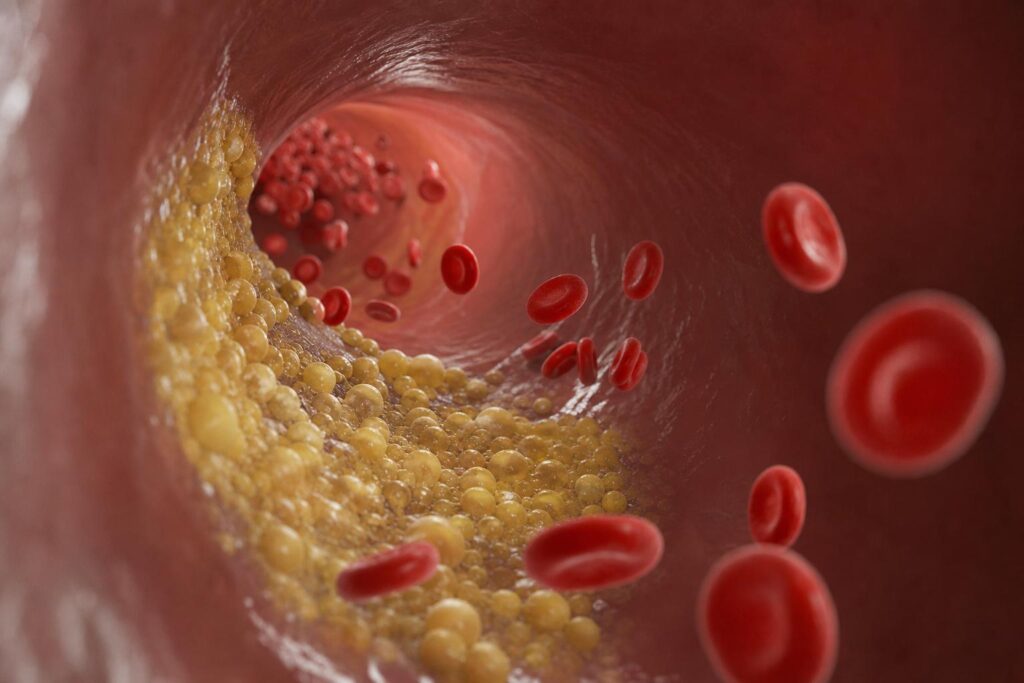
Open your last lab report and you’ll probably see triglycerides sitting under the cholesterol results. Maybe there’s a flag. Maybe you were told to “watch your diet” and come back fasting next time. That’s not exactly a plan. If you live in Canada and want clear, practical guidance on triglycerides—what they are, how they’re measured here, and how to bring them into a healthy range—this is your field guide. You’ll walk away knowing what your numbers mean in mmol/L, when to worry about pancreatitis versus heart disease risk, how Canadian labs and doctors interpret results, and exactly what to change (and what not to bother with) in your day-to-day life. We’ll also dig into medications available across provinces, from statins and fibrates to icosapent ethyl (Vascepa), plus smart food strategies built for real Canadian kitchens and winters.
What Exactly Are Triglycerides?
Triglycerides are a type of fat your body uses for energy. Picture them as tiny fuel packages: three fatty acids attached to a glycerol backbone. After you eat, your intestines package fat and some of the sugar you’ve absorbed into particles called chylomicrons. Your liver also builds very-low-density lipoproteins (VLDL) to ship out more triglycerides when there’s extra energy floating around—especially from alcohol and refined carbohydrates. These particles circulate, tissues take what they need, and leftovers are stored in body fat for later.
Strictly speaking, triglycerides are not cholesterol. Cholesterol is a waxy molecule your cells use to build membranes and hormones. But they travel together in lipoprotein particles (VLDL, LDL, HDL). That’s why you see triglyceride levels alongside HDL cholesterol, LDL cholesterol, non-HDL cholesterol, and sometimes ApoB on a lipid panel. High triglycerides can be a sign there are too many cholesterol-carrying particles as well—especially “remnants” that sneak into artery walls and contribute to plaque.
Why do triglycerides matter? Two main reasons. First, persistently high levels track with a higher risk of atherosclerotic cardiovascular disease (ASCVD)—heart attacks and strokes—largely because of the company they keep (ApoB-containing particles). Second, very high triglycerides can trigger acute pancreatitis, a painful and potentially dangerous inflammation of the pancreas. The takeaway: the higher they go, the more urgent it becomes to act.
How Canada Measures Triglycerides: Units, Fasting, and Lab Logistics
In Canada, labs report triglycerides in mmol/L. If you’re reading US articles (mg/dL), the unit switch can cause confusion. Use this simple math: mg/dL × 0.01129 = mmol/L. Or flip it: mmol/L × 88.57 = mg/dL. Your report may also list a reference interval, but keep reading for how to use targets rather than a single “normal” range.
Do you need to fast? For many Canadians, the first screening lipid test can be non-fasting; this is supported by contemporary Canadian Cardiovascular Society (CCS) guidance. If your non-fasting triglycerides are elevated—particularly above about 4.5 mmol/L—your clinician may ask for a repeat fasting lipid panel to confirm and to allow accurate LDL cholesterol calculation. Some labs will do a direct LDL measurement or focus on non-HDL cholesterol or ApoB, which don’t require fasting. LifeLabs, Dynacare, and Biron across various provinces accept non-fasting samples, but always check the requisition instructions.
If a clinician orders your lipid panel in Canada, provincial health plans typically cover the test (e.g., OHIP in Ontario, MSP in British Columbia, RAMQ in Quebec). If you opt to self-pay for a walk-in test without a requisition, some private labs offer patient-pay lipid panels, with fees varying by province and lab. If cost is a concern, ask your family doctor or nurse practitioner for a requisition—there’s usually no out-of-pocket cost in the public system for medically necessary testing.
What’s a Healthy Triglyceride Level?
Targets depend on context. For most adults, lower is generally better, but we balance that with what’s practical and safe. Here are commonly used fasting categories and how they translate between units:
| Category | Triglycerides (mmol/L) | Triglycerides (mg/dL) |
|---|---|---|
| Optimal / Desirable | < 1.7 | < 150 |
| Borderline-high | 1.7 – 2.2 | 150 – 199 |
| High | 2.3 – 5.6 | 200 – 499 |
| Very high (pancreatitis risk rises) | ≥ 5.6 | ≥ 500 |
Non-fasting results are often a bit higher because you’ve eaten recently. If your non-fasting triglycerides come back mildly elevated (say 2.0–3.0 mmol/L), your clinician might repeat a fasting test or move straight to lifestyle changes and check again later.
There’s an extra wrinkle. Triglycerides are one piece of your overall heart risk picture. Among Canadians, clinicians increasingly look at non-HDL cholesterol (total cholesterol minus HDL) and ApoB as stronger measures of the number of atherogenic particles. High triglycerides are a flag to check those too. If you have diabetes, high blood pressure, smoking, kidney disease, or a strong family history of early heart disease, your care team will set targets based on your overall risk, not just one number.
Why Triglycerides Rise: Lifestyle, Medical Conditions, and Medications
Triglycerides run high when production outpaces clearance. That can happen for lots of reasons, often in layers. Here are the big drivers seen in Canadian clinics.
Lifestyle factors
Dietary patterns matter, especially refined carbohydrates and alcohol. Fast-digesting carbs—white bread, sugary breakfast cereals, pastries, candy, sweetened yogurt, fruit juice, and soft drinks—spike insulin. The liver turns the excess into new triglycerides (de novo lipogenesis) and ships them out as VLDL. Alcohol adds fuel: it suppresses fat burning and ramps up liver production of triglycerides, which is why even a few drinks can send them soaring in some people.
Weight gain, particularly abdominal fat, increases insulin resistance. Insulin resistance pushes the liver to produce more triglycerides and slows their breakdown. A sedentary routine doesn’t help; muscle is a major consumer of triglyceride-rich particles during and after activity.
Medical conditions
- Type 2 diabetes and prediabetes: When glucose and A1C run high, triglycerides almost always ride along.
- Hypothyroidism: An underactive thyroid slows lipid metabolism; a high TSH on your lab report can hint at this.
- Kidney disease and nephrotic syndrome: These alter lipoprotein processing, often driving triglycerides upward.
- Liver conditions (e.g., fatty liver): Closely tied to insulin resistance and elevated triglycerides.
- Pregnancy: Triglycerides naturally rise, especially in the third trimester; very high levels may require specialist input.
- Genetic disorders: Familial hypertriglyceridemia, familial combined hyperlipidemia, and (rarely) familial chylomicronemia syndrome (FCS) can push triglycerides extremely high—even >10–20 mmol/L.
Medications
Several commonly used drugs can raise triglycerides. Not everyone will have a large effect, but it’s worth scanning your list with your clinician:
- Oral estrogens and tamoxifen
- Atypical antipsychotics (e.g., olanzapine, clozapine)
- Beta-blockers (older, non-selective types), some thiazide diuretics
- Systemic corticosteroids
- HIV protease inhibitors
- Isotretinoin and cyclosporine
Sometimes the fix is as simple as choosing an alternative medication; other times the benefits outweigh the lipid effect and you’ll focus on diet, exercise, and add-on therapy.
What Risks Are We Really Talking About?
Two, and they’re different in nature.
Atherosclerotic cardiovascular disease (ASCVD)
High triglycerides often travel with atherogenic lipoproteins. Remnant cholesterol (the cholesterol content of triglyceride-rich lipoproteins) and ApoB are the true culprits that nestle into artery walls. That’s why Canadian guidelines emphasize non-HDL cholesterol and ApoB in risk-based care. In practice: if your triglycerides are mildly to moderately elevated (say 1.7–5.6 mmol/L), your clinician will tally your overall risk (age, sex, blood pressure, smoking, diabetes, kidney disease, family history), then recommend lifestyle changes and, if indicated, statin therapy to reduce events. Triglycerides themselves are a risk marker and a treatment target, but the primary goal is reducing particle number (ApoB) and overall risk.
Pancreatitis
When triglycerides soar—usually above 5.6 mmol/L and especially beyond 10 mmol/L—the risk of acute pancreatitis climbs. Symptoms include sudden, severe upper abdominal pain that often radiates to the back, nausea, and vomiting. It’s a medical emergency. Alcohol and uncontrolled diabetes make this more likely. If you’ve ever had triglycerides over 10 mmol/L, you’ll hear about very low-fat diets, strict alcohol avoidance, fast-acting medication, and close follow-up. That urgency is about keeping you out of hospital.
Getting Tested and Retested in Canada: The Nuts and Bolts
You can access lipid testing through your family doctor, nurse practitioner, or a specialist. Across provinces, labs like LifeLabs, Dynacare, and Biron collect samples and report to your clinician; in many places you’ll also get results via a patient portal. Here’s how to make the most of each test.
- Non-fasting vs fasting: For initial screening, non-fasting is fine. If triglycerides are high, plan a fasting repeat (usually 8–12 hours without food or caloric drinks; water and routine medications are okay unless told otherwise).
- What else to check: Non-HDL cholesterol and ApoB (to gauge particle burden), A1C and fasting glucose (insulin resistance), TSH (thyroid), liver enzymes (fatty liver and medication safety), kidney function. If triglycerides are very high, your clinician may discuss secondary causes and, rarely, genetic testing.
- How often to recheck: After changing diet, alcohol intake, medications, or adding exercise, recheck in 6–12 weeks. For very high triglycerides or pancreatitis risk, your team will likely recheck within 2–6 weeks to confirm a downward trend.
- Covers and costs: With a valid requisition, provincial plans typically cover medically indicated testing. Self-pay lipid panels at private labs vary by location. ApoB is widely available; Lp(a) is increasingly available if there’s a strong family history of early heart disease.
For cardiovascular risk estimation, many Canadian clinicians use Framingham Risk Score–based tools or other validated calculators aligned with Canadian Cardiovascular Society guidance. Online calculators and apps exist, but your care team will interpret results alongside your labs and health history.
Fixing High Triglycerides: Lifestyle First, with Precision
Broad advice like “eat better and move more” doesn’t cut it. Triglycerides respond to specific changes. Let’s focus on what moves the needle the most.
Food strategy built for triglycerides
Think of triglycerides as the liver’s traffic. You want to send fewer cars onto the highway (less production) and help the ones there clear out faster. Here’s how:
- Dial back refined carbohydrates and sugar. This is the biggest lever. Replace white bread, bagels, instant rice, sugary cereal, pastries, candy, and sweet drinks (including fruit juice) with intact grains (steel-cut oats, barley, quinoa), legumes (lentils, chickpeas), and whole fruit. In Canada, oats and barley are affordable and widely available—both lower triglycerides by improving insulin sensitivity and adding viscous fibre.
- Be strategic with alcohol. Even moderate drinking spikes triglycerides in many people. If your level is above 2.3 mmol/L, consider cutting back significantly—or pausing alcohol entirely for 4–8 weeks to see the direct effect. Beer, cider, and sugary cocktails are frequent culprits, but any alcohol can raise TGs.
- Prioritize unsaturated fats over refined carbs. Replacing refined starch/sugar with fats like olive oil, avocado, nuts, seeds, and Canadian canola oil reduces triglyceride production. Don’t fear these fats; they often help TGs. If weight loss is a goal, watch portions but keep the swaps.
- Eat fish (especially oily fish) twice a week. Salmon, trout, mackerel, herring, and sardines deliver EPA/DHA omega-3s that nudge triglycerides down. Frozen can be a budget-friendly option at Canadian grocers and Costco.
- Load fibre at every meal. Aim for 25–38 grams/day from vegetables, fruits, beans, oats, barley, and psyllium. Fibre blunts post-meal spikes in glucose and insulin, which pulls down triglycerides over time.
- Mind your evening meals and snacks. Late-night eating can keep triglycerides elevated into the morning. Stop eating 2–3 hours before bed when you can.
- If triglycerides are very high (≥ 5.6–10 mmol/L), shift to a low-fat pattern short term. While moderate fat can benefit most people, when TGs are extremely high you may need a very low-fat diet (often 10–15% of calories), strict alcohol avoidance, and medication until levels are safer.
Which popular eating patterns help the most?
- Mediterranean-style: Emphasizes vegetables, legumes, whole grains, fish, olive oil, and nuts. Strong evidence for cardiovascular protection and typically reduces triglycerides. Easy to adapt with Canadian staples like canola oil when olive oil is pricey.
- Lower-carbohydrate, higher-unsaturated-fat: Often drops triglycerides quickly by cutting refined carbs and added sugar. Works well for insulin resistance. Keep saturated fats in check and choose unsaturated fats to protect LDL cholesterol and ApoB.
- Portfolio Diet (developed in Toronto): Known for LDL-lowering using soy, viscous fibre, plant sterols, and nuts. Good for heart risk overall; triglyceride impact varies but is often positive when refined carbs are minimized.
- DASH: Designed for blood pressure; can reduce triglycerides if it reduces refined carbs and added sugars.
- Very low-carb or ketogenic: Often lowers triglycerides substantially in the short to medium term. However, if saturated fats rise sharply, LDL cholesterol and ApoB may climb—watch non-HDL and ApoB closely with your clinician. Not ideal for everyone, and caution during pregnancy or with certain conditions.
Bottom line: Choose an approach you can sustain that cuts refined carbs and added sugar, limits alcohol, and leans on unsaturated fats and fibre. Canada’s Food Guide offers a useful “plate” model—half vegetables and fruit, a quarter whole grains, a quarter protein foods—with the freedom to shift carbs down and vegetables/proteins up if triglycerides are your main issue.
Weight and activity: specific targets that work
Losing 5–10% of your body weight can drop triglycerides by roughly 20% or more, especially if you carry weight around the waist. You don’t have to sprint to the finish. Two to four months of steady changes add up.
- Aerobic activity: Aim for at least 150 minutes per week of moderate to vigorous activity (brisk walking, cycling, swimming, snowshoeing in winter). Short on time? High-intensity intervals (e.g., 4 × 4 minutes hard with rest) are efficient and improve triglyceride clearance.
- Resistance training: Twice weekly helps insulin sensitivity and keeps muscle mass—your triglyceride “burner.” Bodyweight circuits at home work if the gym is not your scene.
- NEAT (non-exercise activity thermogenesis): Steps, housework, walking the dog—these matter. Aim for 7,000–10,000 steps daily if your joints allow.
- Canadian winter tips: Mall or arena walking, home workouts with bands, online classes. Don’t let the cold halt your plan; consistency beats perfection.
Alcohol and triglycerides: the candid conversation
Alcohol is a powerful triglyceride accelerator. The liver prioritizes breaking it down and, in the process, ramps up triglyceride production. For some, two drinks on a Friday spikes weekend triglycerides; for others, daily wine quietly keeps levels elevated. If your fasting TGs are above 2.3 mmol/L, an alcohol holiday (4–8 weeks off) is an easy experiment. See what your follow-up lab says—many people see a drop of 20–50% without changing anything else.
Sleep, stress, and shift work
Short sleep, chronic stress, and rotating shifts all worsen insulin resistance. Prioritize 7–9 hours, keep a consistent sleep window when shifts allow, and build small stress outlets—a 10-minute walk, brief breathing exercises, time outdoors. None of this is fluff; better insulin sensitivity directly lowers triglyceride production.
Medications and Supplements in Canada: When and What to Use
Lifestyle changes are always foundational, but medications play a key role—either to reduce cardiovascular events or to protect you from pancreatitis when triglycerides are very high. Here’s a practical overview of drugs you’ll encounter in Canadian practice.
When do medications enter the picture?
- ASCVD risk reduction: If overall cardiovascular risk is elevated (based on age, risk factors, and lipid profile), statins are first-line. If triglycerides remain elevated (typically 1.5–5.6 mmol/L) despite statins and lifestyle changes, icosapent ethyl may be considered to further reduce events.
- Pancreatitis prevention: Triglycerides ≥ 5.6 mmol/L—especially ≥ 10 mmol/L—often call for fast-acting therapy (fibrates, sometimes prescription omega-3s) plus a low-fat diet and alcohol abstinence until levels fall below the risk zone.
Statins
Statins (e.g., atorvastatin, rosuvastatin) primarily lower LDL cholesterol and ApoB, which reduces heart attacks and strokes. They also modestly lower triglycerides (about 10–30%, more when baseline levels are high). In Canada, generic statins are inexpensive and widely covered under provincial plans for eligible patients (e.g., Ontario Drug Benefit for seniors, Quebec’s RAMQ public plan for enrollees, BC PharmaCare with criteria). Side effects are uncommon but include muscle aches and, rarely, liver enzyme elevations; clinicians monitor as needed.
Fibrates
Fenofibrate is the most commonly used fibrate in Canada and is effective at reducing triglycerides, especially when levels are very high. Gemfibrozil is another option but interacts more with statins and is less commonly combined with them. Use cases:
- Severe hypertriglyceridemia (≥ 5.6–10 mmol/L): Often first-line to bring levels down quickly and prevent pancreatitis.
- Moderately high TGs with low HDL in insulin resistance: Sometimes considered, but the primary focus is still statins for event reduction.
Cautions: Combining gemfibrozil with statins increases muscle toxicity risk; fenofibrate is generally the safer partner if a combination is needed. Kidney function guides dosing.
Prescription omega-3 fatty acids: icosapent ethyl
Icosapent ethyl (brand Vascepa) is a purified form of EPA approved in Canada. In patients already on statins with elevated triglycerides (typically around 1.5–5.6 mmol/L) and high cardiovascular risk, adding icosapent ethyl 2 g twice daily reduced major cardiovascular events in a large randomized trial. It lowers triglycerides modestly and appears to have additional benefits beyond TG lowering. Side effects can include gastrointestinal upset and a small increase in atrial fibrillation risk in some patients. Coverage varies by province and private plans, often with criteria such as established cardiovascular disease and persistent triglyceride elevation on statins. If you’re considering Vascepa, ask your clinician about provincial coverage criteria and patient support programs.
Over-the-counter omega-3 supplements
Non-prescription fish oil varies widely in EPA/DHA content and purity. Many products provide only 300 mg of combined EPA+DHA per capsule; you would need several capsules to reach prescription-level doses. For triglyceride lowering, the effective daily dose is typically 2–4 g of EPA+DHA. Always read labels to see the actual EPA/DHA per capsule—not just “fish oil 1000 mg.” Supplements can add calories and may have a mild antiplatelet effect; discuss with your clinician if you’re on blood thinners or have a bleeding disorder. For cardiovascular event reduction, over-the-counter fish oil hasn’t shown the same benefits as purified prescription EPA.
Niacin (vitamin B3) and other supplements
Niacin can lower triglycerides and raise HDL, but large trials haven’t shown added cardiovascular benefit when used with statins, and side effects (flushing, glucose elevation, liver toxicity) are common. It’s generally not recommended for routine use. Red yeast rice, berberine, and other supplements have inconsistent data and quality control. If you choose to use them, involve your health professional and monitor labs.
Diabetes medications that help triglycerides
When insulin resistance is the engine, addressing it pays off. Metformin often lowers triglycerides modestly. GLP-1 receptor agonists (e.g., semaglutide) can reduce weight and triglycerides while lowering cardiovascular risk in people with diabetes; SGLT2 inhibitors modestly improve triglycerides and have strong cardiorenal benefits. These are not triglyceride drugs per se, but they move the metabolic picture in the right direction.
| Medication | Main role | Effect on TGs | Canadian notes |
|---|---|---|---|
| Statins | Lower LDL/ApoB, reduce ASCVD events | ↓ 10–30% | Generic; broadly covered with criteria |
| Fenofibrate | Reduce high TGs; pancreatitis prevention | ↓ 30–50% (often more at high baseline) | Use with caution if combining with statins; monitor kidney function |
| Icosapent ethyl (Vascepa) | ASCVD risk reduction on top of statins | ↓ modestly | Coverage varies by province; check criteria |
| OTC fish oil | Supplement; variable purity | ↓ if EPA/DHA 2–4 g/day achieved | Read labels; not equivalent to Rx EPA for event reduction |
| Niacin | Legacy agent | ↓ TGs, ↑ HDL | Not routinely recommended; side effects |
Special Situations You Should Know About
Very high triglycerides and pancreatitis risk
If your triglycerides are above 10 mmol/L, your care team will likely act quickly: strict alcohol avoidance, a very low-fat diet (often 10–15% of calories), fast-acting triglyceride-lowering medication, and frequent checks. Secondary causes (uncontrolled diabetes, medications, thyroid issues) are addressed in parallel. If you develop severe upper abdominal pain, especially with nausea or vomiting, seek urgent care—this is not a “wait and see” situation.
Rarely, people have familial chylomicronemia syndrome (FCS), a genetic condition in which triglycerides spike dramatically even at a young age and don’t respond well to typical therapy. A specialist (often lipidology or endocrinology) can help with diagnosis and management. Very low-fat diets, alcohol avoidance, and tailored therapies are central; access to specialized treatments may vary and often requires specialist oversight.
Pregnancy and postpartum
Triglycerides rise naturally as pregnancy progresses, peaking in the third trimester. If levels become very high, your obstetrical team will usually recommend diet changes (often lower in fat and refined carbs), careful monitoring, and individualized decisions about medication. Many lipid-lowering drugs are avoided during pregnancy and breastfeeding; prescription omega-3s may be considered in select cases, under specialist guidance. Always involve your obstetric provider before changing any medications or supplements.
Adolescents and young adults
Rising triglycerides in teens and young adults often track with sugary drinks, fast food, and lower activity—especially with screen time and exams. Swap sugary beverages for water or soda water with lemon, build quick protein-plus-fibre meals (eggs and whole-grain toast, Greek yogurt with berries, bean-and-chicken wraps), and keep sport or daily activity in the mix. Medications are rarely first-line unless levels are very high or genetic causes are suspected.
Older adults and polypharmacy
If you’re juggling several medications, adding another requires caution. Gemfibrozil with certain statins is a known risky pairing; fenofibrate is safer if a fibrate is needed alongside a statin. Kidney function and potential drug interactions matter more as we age. On the flip side, triglycerides often respond briskly to cutting refined carbs and alcohol—non-drug changes that carry few downsides.
Indigenous health and access considerations
Food access and affordability vary widely across Canada, particularly in Northern and remote communities. Traditional foods—wild fish, game, berries—often align well with heart-healthy eating. Processed foods shipped long distances can be expensive and limited. Community programs, local health teams, and Indigenous-led initiatives may help with screening, education, and access to nutrient-dense staples. If travel to labs is a barrier, ask about mobile clinics, community collection sites, or coordinated visits.
Real-life Canadian Eating: Practical Swaps and Budget Strategies
High triglycerides don’t require a boutique grocery budget. You can build a powerful, affordable pantry in any Canadian city or small town.
- Breakfast: Steel-cut or large-flake oats with chia and frozen berries; eggs with sautéed spinach and whole-grain toast; plain Greek yogurt with walnuts and sliced apple. Skip the sugary granola and juice.
- Lunch: Lentil soup with whole-grain bread; tuna or salmon salad on greens with olive/canola oil vinaigrette; chickpea and vegetable curry with brown rice or barley.
- Dinner: Baked trout or salmon with roasted vegetables and quinoa; turkey chili with beans; tofu–vegetable stir-fry over cauliflower rice or brown rice.
- Snacks: A handful of almonds, celery with peanut butter, edamame, cottage cheese with cucumber, an orange.
- Drinks: Water, soda water with lime, unsweetened tea or coffee. Keep alcohol occasional or on hold if TGs are high.
On the go?
- Tim Hortons: Opt for egg-and-cheese on an English muffin (skip the sauce), oatmeal (unsweetened), or a yogurt parfait but check sugar content. Choose coffee/tea without added sugar.
- Subway/Pita: Load vegetables, pick grilled meats or falafel, choose whole-grain wraps, and ask for minimal sauce. Avoid sugary beverages.
- Grocery hot bar: Rotisserie chicken with a salad and a whole-grain roll beats pasta laden with creamy sauce.
Budget boosters: Buy frozen vegetables and berries, dried beans and lentils, large tubs of plain yogurt, canned salmon, and big bags of oats. Canola oil is a Canadian workhorse—lower cost, high in monounsaturated fat, and neutral-tasting for cooking and baking.
What Raises or Lowers Triglycerides the Most?
| Change | Expected impact on TGs | Comments |
|---|---|---|
| Cut sugary drinks and juice | ↓ Significant (often rapid) | One of the fastest wins, especially in teens and adults |
| Reduce alcohol | ↓ Moderate to large | Try a 4–8 week alcohol holiday and retest |
| Lose 5–10% body weight | ↓ Moderate to large | Bigger effect if weight is central (waist) |
| Swap refined carbs for whole grains/legumes | ↓ Moderate | Improves insulin sensitivity and satiety |
| Add 150+ minutes/week aerobic activity | ↓ Modest to moderate | Intervals can amplify benefits |
| Eat oily fish twice weekly | ↓ Modest | EPA/DHA aid TG lowering and heart health |
| Start a statin (if indicated) | ↓ 10–30% | Primary goal is event reduction |
| Start fenofibrate for TG ≥ 5.6–10 mmol/L | ↓ 30–50%+ | Pancreatitis prevention focus |
| Add icosapent ethyl on statin (select patients) | ↓ Modest | Reduces events beyond TG effect |
Reading a Canadian Lab Report: A Worked Example
Say your fasting lipid panel shows:
- Triglycerides: 3.1 mmol/L
- HDL cholesterol: 1.0 mmol/L
- LDL cholesterol (calculated): 2.9 mmol/L
- Total cholesterol: 5.1 mmol/L
- Non-HDL cholesterol: 4.1 mmol/L
What’s the story? Triglycerides are “high” by classic cut points (≥2.3), and HDL is on the low side. Non-HDL is above many risk-based targets if you have additional risk factors. Your next questions:
- What’s my overall cardiovascular risk? Age, blood pressure, smoking, diabetes, kidney function, and family history shape treatment intensity.
- What are my lifestyle levers? Alcohol intake? Sugary drinks? Refined carbs? Weight pattern? Activity?
- Are there secondary causes? A1C or fasting glucose high? TSH elevated? Medications on the list above?
- Should we measure ApoB? If available, it sharpens risk assessment and targets.
Action plan might include a targeted food overhaul (reduce refined carbs and alcohol), structured activity, and if risk is elevated, a statin. If triglycerides remain high after 6–12 weeks, consider add-ons like icosapent ethyl depending on your risk profile.
Canadian Access 101: Coverage, Costs, and Where to Start
Here’s a quick orientation to navigating care from coast to coast.
- Lab tests: With a clinician’s requisition, lipid testing is generally covered by provincial plans (e.g., OHIP in Ontario, RAMQ in Quebec, MSP in BC, AHS in Alberta). Community labs (LifeLabs, Dynacare, Biron, provincial hospital labs) handle most draws.
- Medications: Coverage varies. Seniors, low-income, and specific groups often have public plan coverage (ODB in Ontario, RAMQ public plan, BC PharmaCare, Alberta Blue Cross programs). Private insurance through work may offer broader coverage. Vascepa, fenofibrate, and statins can be covered with criteria; check your plan or ask your pharmacist to run a trial claim.
- Out-of-pocket ballparks: Generic statins and fenofibrate are generally inexpensive; icosapent ethyl is costlier. Actual prices depend on province, pharmacy, and insurance. Ask about generic options and therapeutic substitutions.
- Who to see: Start with your family doctor or nurse practitioner. For very high triglycerides, history of pancreatitis, suspected genetic disorders, or complex polypharmacy, a referral to a lipid specialist or endocrinologist can help.
Frequently Overlooked Details That Make a Big Difference
- “Natural” sugars are still sugars. Maple syrup and honey may be local and lovely, but they affect triglycerides like any sugar. Enjoy sparingly.
- Fruit juice is not a free pass. Whole fruit beats juice because fibre slows absorption; juice is essentially concentrated sugar.
- Timing counts. Large, late dinners or nightly snacks can keep triglycerides elevated. An earlier, balanced supper often helps morning labs.
- Watch the coffee add-ons. Cream-and-sugar-heavy coffees add up quickly. Try cinnamon, a dash of milk, or go unsweetened.
- Portions of “healthy” foods still matter. Nuts, avocado, and oils are great swaps for refined carbs, but portion creep stalls weight goals.
Troubleshooting Plateaus: What If Triglycerides Won’t Budge?
You’ve cut sugar and alcohol, started walking, but the number barely moves. Before you get discouraged, run this checklist:
- Hidden sugars: Flavoured yogurt? Granola bars? “Healthy” cereals? Bottled sauces? Read labels—added sugar hides in surprising places.
- Refined grains slipping in: White wraps, naan, most bakery breads, many crackers. Swap to true whole-grain options or use lettuce/cabbage wraps.
- Alcohol creep: Weekends count. Even one to two drinks can block progress in sensitive individuals.
- Sleep debt and stress: Persistently short sleep and high stress keep insulin resistance high.
- Secondary causes: Recheck A1C, TSH, medications, kidney/liver function with your clinician.
- Exercise intensity: Add short intervals to walks or rides, and add two brief resistance sessions weekly.
A Short Conversion and Reference Table You’ll Actually Use
| Triglycerides (mg/dL) | Triglycerides (mmol/L) |
|---|---|
| 100 | 1.13 |
| 150 | 1.70 |
| 200 | 2.26 |
| 300 | 3.39 |
| 500 | 5.65 |
| 1000 | 11.29 |
A 7-Day Triglyceride-Friendly Outline (Flexible and Canadian-Pantry-Friendly)
Use this as a template, not a straitjacket. Adjust portions to your appetite and goals.
- Day 1: Breakfast: Greek yogurt, chia, frozen berries. Lunch: Lentil soup and salad. Dinner: Baked salmon, quinoa, broccoli. Snack: Apple with peanut butter.
- Day 2: Breakfast: Eggs, sautéed mushrooms, whole-grain toast. Lunch: Tuna and white bean salad. Dinner: Tofu stir-fry with mixed vegetables and brown rice. Snack: Cottage cheese and cucumber.
- Day 3: Breakfast: Oatmeal with walnuts and cinnamon. Lunch: Chicken and veggie wrap on whole-grain tortilla. Dinner: Turkey chili with kidney beans. Snack: Orange and almonds.
- Day 4: Breakfast: Smoothie (unsweetened milk, spinach, half banana, flax). Lunch: Quinoa–chickpea bowl with veg and vinaigrette. Dinner: Trout with roasted Brussels sprouts and barley. Snack: Edamame.
- Day 5: Breakfast: Plain yogurt, sliced pear, pumpkin seeds. Lunch: Leftover chili or soup. Dinner: Lean pork tenderloin, sweet potato, green beans. Snack: Handful of pistachios.
- Day 6: Breakfast: Veggie omelet. Lunch: Pita with falafel, greens, tahini (light on sauce). Dinner: Sardines on whole-grain toast with salad. Snack: Berries.
- Day 7: Breakfast: Steel-cut oats, hemp seeds, blueberries. Lunch: Bean-and-avocado salad. Dinner: Roast chicken, cauliflower, mixed greens. Snack: Carrots and hummus.
Drink water, black coffee or tea, or soda water with citrus. Keep alcohol off the menu during your first reset period if triglycerides are elevated.
When to Seek Help, Fast
Call your clinician promptly or go to urgent care/ER if you have:
- Severe, persistent upper abdominal pain (especially with nausea/vomiting)—possible pancreatitis.
- Triglycerides reported over 10 mmol/L—ask for urgent guidance on diet, medication, and follow-up interval.
- Signs of very high blood sugar—excess thirst, frequent urination, unexplained weight loss—particularly if triglycerides jumped suddenly.
Frequently Asked Questions
Are triglycerides or cholesterol more important?
Both matter, but in different ways. LDL cholesterol and ApoB are the main drivers of artery plaque. Triglycerides reflect how your body handles energy and often flag insulin resistance and remnant cholesterol. Canadian practice increasingly uses non-HDL cholesterol and ApoB to capture overall risk. If triglycerides are up, it’s a cue to look at the whole picture.
How fast can I lower high triglycerides?
Surprisingly fast. Cutting sugary drinks and alcohol can move the number within days. With focused changes—refined carb reduction, less alcohol, more activity—many people see meaningful drops in 4–8 weeks. Very high levels due to secondary causes (e.g., uncontrolled diabetes) can plummet once the root cause is treated.
Do I have to fast for every test?
No. Non-fasting lipids are acceptable for initial screening in Canada. If triglycerides are elevated, your clinician may order a fasting repeat to confirm and to assist with LDL interpretation. For ongoing management, many targets (non-HDL, ApoB) don’t require fasting.
Should I go low-fat or low-carb?
If triglycerides are mildly to moderately high, lower-carb usually wins—reduce refined carbs and added sugar, and replace with unsaturated fats and protein. If triglycerides are very high (approaching or exceeding 5.6–10 mmol/L), a temporary very low-fat approach is safer until levels fall, alongside medication and alcohol avoidance.
Is canola oil good or bad for triglycerides?
Good, if it helps you swap out refined carbs and saturated fat. Canola oil is high in monounsaturated fat and works well in Canadian kitchens for sautéing and baking. Olive oil is great too; choose what you’ll actually use.
Do omega-3 supplements lower triglycerides?
Yes, at sufficient doses. Aim for 2–4 g/day of combined EPA+DHA for triglyceride lowering. Over-the-counter capsules vary—read labels. For reducing cardiovascular events in high-risk patients on statins, prescription icosapent ethyl (EPA-only) has the strongest evidence.
Are high HDL levels protective if my triglycerides are high?
High HDL is not a free pass. Extremely high HDL can even be misleading. Focus on lowering ApoB/non-HDL and bringing triglycerides into range; that’s where risk reduction lives.
Can very low triglycerides be a problem?
Low triglycerides are usually fine and often reflect healthy habits. Very low levels can show up with low-calorie intake, hyperthyroidism, or certain genetic conditions; if you feel unwell, discuss with your clinician.
Will intermittent fasting help?
Often, yes. Time-restricted eating can reduce calorie intake, improve insulin sensitivity, and lower triglycerides modestly. Keep the food quality high—fasting won’t offset sugary drinks and ultra-processed foods.
Can I drink alcohol if my triglycerides are only a little high?
It depends how your body responds. Test it: go alcohol-free for 4–8 weeks, then recheck your labs. If your triglycerides drop meaningfully, you have your answer. If they don’t budge, occasional light drinking may be reasonable within Canada’s updated guidance—but discuss with your clinician if you have other risks.
What about ketogenic diets?
They often lower triglycerides substantially by slashing carbs. However, LDL cholesterol and ApoB can climb on high-saturated-fat keto. If you go this route, choose unsaturated fats (olive, canola, nuts, fish) and monitor non-HDL and ApoB closely. Not recommended during pregnancy or for certain medical conditions.
Are there home tests for triglycerides?
Some finger-prick devices exist, but accuracy varies. For important decisions, use accredited Canadian labs. If access is hard, ask about community collection days or coordinated appointments to reduce travel.
Do I need genetic testing?
Only if there’s a suspicion of a familial disorder: triglycerides persistently above ~10 mmol/L, pancreatitis at a young age, or strong family history. A lipid specialist can advise on testing and management.
How often should I recheck if I’m making changes?
Every 6–12 weeks is reasonable after a new plan or medication change. Once stable and at target, every 6–12 months is common. For very high levels, shorter intervals apply until you’re safely out of the pancreatitis zone.
What should I ask my Canadian clinician specifically?
- Should we check non-HDL cholesterol and ApoB?
- What’s my overall cardiovascular risk, and do I need a statin?
- Would icosapent ethyl help me, and does my provincial plan cover it?
- Which of my medications might be raising triglycerides?
- What’s our follow-up schedule, and which targets are we aiming for?
Key Takeaways You Can Act On Today
- Understand your units: Canada uses mmol/L. Under 1.7 is a good general target; over 5.6 merits urgent action to prevent pancreatitis.
- Biggest levers: cut sugary drinks and alcohol, reduce refined carbs, add activity, and favor unsaturated fats and fibre.
- Medications have roles: statins for event reduction, fibrates for very high TGs, and icosapent ethyl on top of statins for select patients.
- Use the system: requisitioned lab tests are covered; pharmacists can check drug coverage; specialists can help with complex or severe cases.
- Give your plan 6–12 weeks and retest. Let your numbers tell you what’s working.
Resources (Canada-Focused)
- Canada’s Food Guide
- Heart & Stroke Foundation of Canada
- Diabetes Canada Clinical Practice Guidelines
- Canadian Cardiovascular Society
If your triglycerides are elevated, you have options—simple, effective, and Canadian-realistic options. Tackle the high-impact changes first, use medications wisely, and check back in with your numbers. One clear step at a time adds up to a safer, more energetic life.