
Oshawa Weather: A Local’s Guide to Seasons, Storms, and Smart Planning in Durham Region
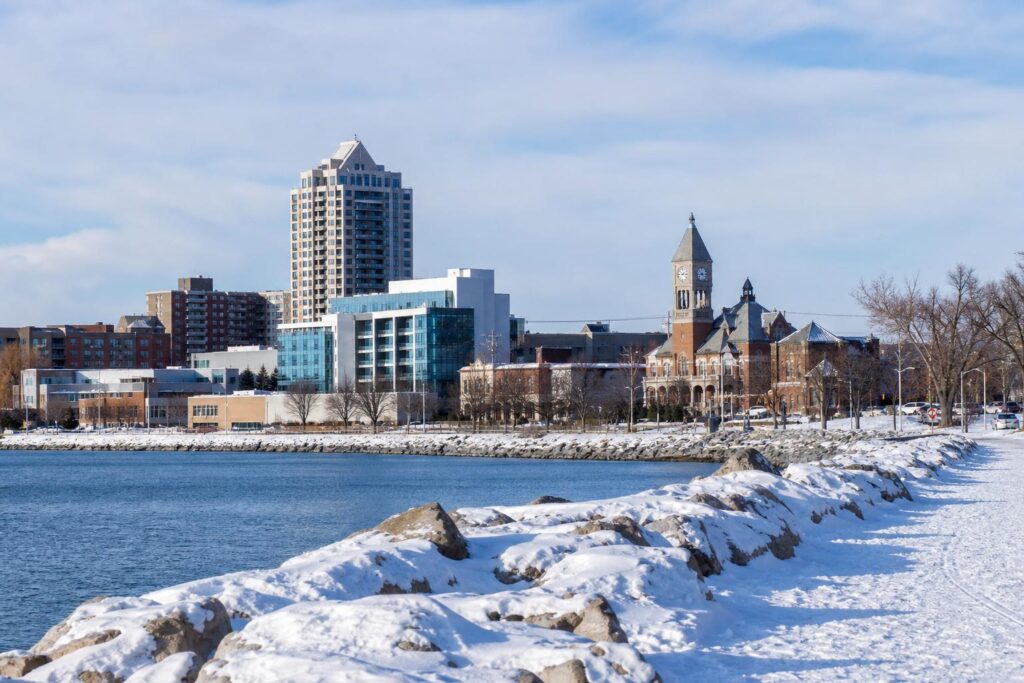
Stand on the pier at Lakeview Park on a July afternoon and you can feel Oshawa weather at work. The breeze slides off Lake Ontario and knocks five degrees off the air. By sundown, a warm haze hangs over the 401 while a line of thunderheads boils over the Oak Ridges Moraine to the north. In January, the same lake that cools summer keeps the shoreline a touch milder, while a sharp northwest wind shakes fresh powder from low clouds and wraps trees in rime. Oshawa’s climate is a study in contrasts—and once you understand the patterns, it gets a lot easier to plan your life around them.
This guide brings the city’s weather into focus with practical details for residents, commuters, and visitors. You’ll learn how Lake Ontario bends temperatures, how to read the forecast like a local, what to expect month by month, and how to prepare your home, vehicle, and plans. We’ll talk about wind chill and humidex in plain language, explain the difference between a Special Weather Statement and a Warning, and point you to tools Canadians actually use, from Environment and Climate Change Canada to Ontario 511. By the end, you’ll have a working mental model of Oshawa weather—and the confidence to work with it, not against it.
Why Oshawa’s Location Shapes Its Weather
Oshawa sits on the north shore of Lake Ontario in Durham Region, at the eastern edge of the Greater Toronto Area. That geographic setting dictates a lot. Lake Ontario is a huge thermal engine. In winter, open water releases stored summer heat, softening extreme cold near the shoreline. In summer, it resists warming, keeping waterfront neighbourhoods a little cooler compared to the uplands north of Taunton Road. That means a February afternoon can feel milder at Lakeview Park than near Kedron, and in August a lake breeze can finally make a backyard barbecue tolerable after a humid day.
Distance from the lake matters. South Oshawa and the downtown core tend to have narrower temperature swings day to night and season to season. North of Highway 407 and along the higher ground toward the Oak Ridges Moraine, nights can run cooler, frost arrives earlier in autumn, and winter snowfall can be a bit more generous. It’s nothing like the “snowbelt” farther east off Georgian Bay or east of Lake Ontario in New York State, but micro-variations are real enough that gardeners swap notes, motorists notice road conditions change within a few kilometres, and anyone who cycles between campus at Ontario Tech and the waterfront learns to pack an extra layer.
Wind patterns add another wrinkle. On hot days, a lake breeze front forms along the shoreline and marches inland in the afternoon, sometimes colliding with warmer air over land to spark pop-up showers or thunderstorms. In winter, a northwest flow can deliver bands of flurries off Georgian Bay that drift across Lake Simcoe and spill into Durham Region—thin streamers that dust North Oshawa while the lakeshore gets a fine mist or nothing at all. In spring and fall, the contrast between cold lake water and warmer land can breed dense fog along the shore at dawn. If you’ve ever driven from Courtice into Oshawa and watched visibility drop near the harbour, you’ve met that temperature inversion in person.
Finally, Oshawa’s blend of urban and green spaces plays a subtle role. City surfaces—brick, asphalt, parking lots—store and radiate heat, creating a small urban heat island downtown. Parks, ravines, and the Second Marsh counter some of that with evaporative cooling and cooler night air sinks. These are small-scale effects, but they explain why your car’s thermometer might report different numbers on a cross-town run.
Oshawa’s Climate at a Glance
On the books, Oshawa sits in a humid continental climate—four distinct seasons, warm to hot summers, cold winters, and precipitation in all months. If you’ve lived anywhere in Southern Ontario, that will sound familiar. What makes Oshawa distinctive is the lake. Temperature extremes are moderated compared with inland towns at the same latitude, summer humidity feels less oppressive closer to the water, and midwinter warms and cools can flip a forecast from snow to rain within a day.
Expect summers with afternoon highs commonly in the low-to-mid 20s Celsius, punctuated by heat waves where daytime highs reach the upper 20s to low 30s. On those hot days, humidex values—Canada’s measure of how heat and humidity feel together—can push past 35, sometimes 40. Nights near the lake usually cool more comfortably than inland GTA suburbs, although during heat events, overnight lows can stay muggy.
Winters bring a regular ride of snow, freezing drizzle, and thaw cycles. Daytime temperatures often hover around or just below freezing, with notable cold spells. Wind chill—how exposed skin experiences the combined effect of air temperature and wind—can make a -10 C day feel like -20 C in a stiff northwest wind. You’ll get midwinter rain some years, and bursts of quick snow accumulation from clippers or slow-moving lows. Annual snowfall in Oshawa is moderate by Ontario standards. It typically adds up enough to justify winter tires, snow brushes in every car, and shovels that can take a beating.
Precipitation is fairly evenly spread through the year. Late spring into summer is prime thunderstorm season, with the most intense storms often forming along lake-breeze boundaries or off the higher terrain north of the city. Autumn leans windy, and occasional powerful lows sweep through with gales that rattle fence boards and kick up waves on Lake Ontario. The rare big-ticket event—derechos, widespread ice storms, or tornadic supercells—does happen in the region, though infrequently. Durham Region took a hard hit in the May 2022 derecho that tore across Southern Ontario, for example, with significant damage in Uxbridge and scattered outages and tree damage into Oshawa.
Air quality in Oshawa is usually good by Canadian urban standards, but wildfire smoke from distant fires can drift into Southern Ontario, as seen in 2023. The Air Quality Health Index (AQHI) issued by Environment and Climate Change Canada (ECCC) is worth watching on smoky or smoggy days. Pollen seasons for trees (spring) and grasses (early summer) can be noticeable for allergy sufferers, with ragweed peaking later in summer.
Month-by-Month Guide to Oshawa Weather
January: Deep Winter, Thaws on Standby
January in Oshawa is reliably wintery, but not uniformly brutal. The month alternates between stretches of genuine cold and occasional thaws when a Pacific or Colorado system tracks warm air over the Great Lakes. Snow arrives from a mix of light flurries and organized systems. Because of the lake’s moderating influence, many days wobble near freezing, which helps road crews clear main routes quickly but can leave side streets and sidewalks icy after sundown.
Wind chill matters most now. On blustery days, exposed skin will feel a lot colder than the thermometer reads. Dress for it: windproof outer layer, insulated boots with grip, and the old-fashioned toque-and-mitts combo still beats tech fabrics. If you commute on the 401, plan more time on days when flurries transition to freezing drizzle; ramps and overpasses cool faster and get slick first.
What locals watch: squalls and streamers. While Oshawa isn’t in a classic snowbelt, streamer bands off Georgian Bay can sneak into north Durham and brush the city with narrow, intense flurries under the right wind. Keep an eye on regional radar to see if a band is holding position or drifting.
February: The Winter Stretch
February often delivers the coldest air of the season, but it also brings bright, crisp days with good traction and squeaky snow. As daylight returns, the sun starts to bite back. The lake is still cold, so shoreline neighbourhoods may run slightly warmer at night compared to northern parts of the city. This is prime time for outdoor rinks, cross-country skiing at Harmony Valley, or day trips east to Brimacombe.
Storm-wise, clipper systems can move fast, dropping a quick, powdery few centimetres. Bigger lows can spin up out of the Midwest and rake Southern Ontario with a mix line. In Oshawa, that line often sets up close by: one part of Durham Region gets snow, another deals with ice pellets or freezing rain. That mixed bag is hardest on trees and power lines, so charge devices ahead of a forecasted ice event and stock your winter car kit: booster cables, traction aid, flashlight, blankets, water, and snacks.
March: The Freeze–Thaw Shuffle
March in Oshawa is a pivot month. Daytime sun grows confident, but winter isn’t done. You get softening snowbanks in the afternoon and black ice at dawn. A late-season winter storm is very much in play, especially early in the month. On the flip side, you may also get two or three days of jacket-free lunchtime walks. The back-and-forth can be hard on roads; potholes multiply. Budget extra time for commuting and watch for standing water at curb cuts, which refreezes overnight.
Gardeners start prowling seed catalogs and checking long-range forecasts, but it’s too early to plant warm-season crops. Prune late-winter trees and shrubs on a mild day, clear snow off basement window wells, and check your sump pump—spring meltwater is on the way.
April: Mixed Skies, Greening Lawns
April brings longer evenings, more rain, and the occasional stubborn snowfall. Onshore winds off the cold lake can keep the lakeshore cooler than inland. You’ll spot people in down jackets and T-shirts on the same sidewalk, each making a fair case based on their route and microclimate. April thunderstorms aren’t unusual, but they’re often weaker early in the month; stronger convection ramps up later.
Flood awareness matters now. Oshawa Creek and Harmony Creek drain through the city, and heavy rain on still-frozen or saturated ground can make water rise quickly. The Central Lake Ontario Conservation Authority (CLOCA) issues watershed condition statements, flood watches, and warnings—worth following in wet spells. Clear eavestroughs, extend downspouts well away from your foundation, and make sure street catch basins near your property aren’t blocked by last autumn’s leaves.
May: Everything Pops
By May, Oshawa turns leafy and bright. Average highs climb into the comfortable zone, and the last frost date typically falls sometime in the first half of the month closer to the lake, a bit later in the city’s north. Nighttime cool spells can still nip tender plants, so keep row covers or a few empty buckets handy to protect tomatoes or annuals if a late frost advisory appears.
Thunderstorms become more frequent, especially on warm, humid days followed by an approaching cold front. Many start along the lake-breeze boundary marching inland from the waterfront. Allergy season kicks off, with tree pollens high early and grass pollens rising by month’s end. Rain is common but spread out—perfect lawn weather. Oshawa’s Peony Festival, typically in June, benefits from May’s changeable mix; if you like blooms, watch the forecast and take the first dry morning after a rain.
June: Long Days, First Heat
June is lovely and busy. Expect stretches of ideal weather punctuated by a humid day or two. The lake breeze often makes the waterfront a comfortable escape in the afternoon, while neighbourhoods north of Taunton can feel a few degrees warmer. Thunderstorm days cluster around frontal passages—check the forecast daily when outdoor events are on the calendar. UV index climbs high now; sunscreen is not optional.
For fishers and boaters on Lake Ontario, consider the marine forecast separate from land weather. Wind and wave conditions can change faster than expected, and water temperatures lag the air dramatically in early summer. Cold shock is a real risk if you end up in the water. Wear PFDs, and don’t trust warm air to signal warm water.
July: Peak Summer, Humidex Season
July is Oshawa’s warmest month. Daytime highs often reach the mid-to-upper 20s, with periodic heat warnings from Environment and Climate Change Canada when temperatures and humidity meet thresholds that pose health risks. Humidex tells you how hot it feels; when it rises into the upper 30s, outdoor labour, athletics, and transit commutes get harder. Hydration, shade, and breaks matter.
Despite the heat, areas right along the lake can run several degrees cooler in the afternoon. If you’re hosting a backyard get-together, expect the official “Oshawa” forecast to be a bit of a blend; check a few neighbourhood readings to see how the lake wind might help or hinder your plans. Evening thunderstorms can bring heavy downpours, brief gusty winds, and impressive lightning. Unplug sensitive electronics if a severe thunderstorm warning is issued, and keep an eye on the AQHI on hazy days if wildfire smoke drifts into the GTA.
August: Storms, Harvests, and Late-Summer Heat
August keeps the summer heat but starts to ease humidity in the back half of the month. The most intense thunderstorms of the season often occur in August when hot, moist air meets a sharp cold front. Rainfall can be torrential in short bursts, causing street flooding where drains are clogged. Keep your basement windows closed if a line of storms is approaching, and move yard furniture that could blow into windows.
Nights grow a touch longer and more comfortable. By late August, you’ll notice dew on the grass in the morning and cooler dawns. Ragweed pollen rises now, peaking towards September. Beaches on Lake Ontario can be wonderful in late summer; check Durham Region Health Department’s beach monitoring updates for any advisories, especially after heavy rain.
September: Gold-Light Mornings and Big Skies
September is many locals’ favourite month for a reason. Daytime conditions are often warm without the oppressive humidity, nights are crisp but not cold, and the lake keeps the lakeshore extra pleasant. Big, clear-sky days are common, but early fall can also bring quick-moving lows that freshen the air with showers.
This is festival-and-hike season. The city’s parks and the Oshawa Valleylands trail system shine. Keep an eye on wind forecasts if you’re planning a lakeside picnic; post-frontal days can be gusty enough to flip light chairs. Hurricane remnants sometimes influence Southern Ontario around this time of year, usually as rain makers rather than wind events by the time they reach our latitude. When that happens, totals depend on the exact track—watch the 48–72 hour forecast window.
October: Colour, Cold Fronts, and First Frosts
October brings colour to the ravines and a more changeable sky. Cold fronts sharpen up, day length contracts, and the first frost for much of Oshawa typically arrives sometime this month, earlier north of the city and later right along the lake. Afternoon sun can still be warm—T-shirts at noon, jackets at dusk. The month can deliver the first wet snowflakes in a raw north wind, especially later on, but lasting accumulation usually waits for November or December.
Wind becomes a headline again. Strong lows track across the Great Lakes in fall, and the pressure gradient can produce sustained winds and higher gusts. Yard prep pays off: secure or store patio furniture, trim dead limbs overhanging power lines, and clean gutters to handle leaf fall and autumn rains. The lake often whips up impressive surf during these blows—great to watch from a safe distance.
November: The Gray Transition
November in Oshawa often feels like a long exhale. Cloudy days are common, and you can swing from 15 C rain to wet snow in a single week. The lake still tempers overnight cold along the shore, but it can contribute to low clouds and drizzle in onshore flow. The first real snowfall that sticks around for more than a day often arrives now, especially inland from the lake.
This is the month to finish winterization jobs: swap to winter tires if you haven’t, test your furnace, disconnect garden hoses, and check that your emergency kit has fresh batteries. Keep an eye on Special Weather Statements and Warnings; freezing rain events are more likely now than midwinter because surface temperatures hover near freezing while a warm layer aloft delivers rain. That setup is hard on trees and wires. Report outages to your utility (Elexicon Energy serves Oshawa), avoid downed lines, and treat every dark intersection as an all-way stop.
December: Lights, Snow Chances, and Thaw Windows
December marks the start of meteorological winter and the lead-up to real cold. Snow chances build with each passing week, and a white holiday season is possible but not guaranteed. A notable pattern is the “freeze-up shuffle”—a snowfall, a few cold days, then a thaw and rain as the next system drags milder air over the region. That rollercoaster makes for slushy commutes and meltwater management at home. Keep shovel paths clear and salted, and don’t let snow pile up against foundation walls.
Wind chills can arrive with the season’s first Arctic air. Dress for variable conditions when you’re out seeing lights at Lakeview Park or skating at community rinks. Stabilize ladders if you’re doing rooftop holiday decorations—icy shingles and gusts are a bad match. The bottom line: December is dynamic. Check the forecast daily and don’t rely on how things looked last week.
Seasonal Deep Dives: What to Expect and How to Prepare
Winter in Oshawa: Snow, Ice, and the Art of the Commute
Winter shifts into gear sometime in November or December and hangs on through March, with January and February as the core. Snowfall in Oshawa ranges from nuisance flurries to plowable events. While classic lake-effect snow squalls target other Ontario snowbelts more frequently, Durham can get streamer days that add up with persistent light snow. More impactful events come from larger weather systems tracking across the Great Lakes or up the eastern seaboard. Those can drop a quick 10–20 cm or deliver the dreaded mix of snow, ice pellets, and freezing rain.
Practical moves make a difference. Winter tires are strongly recommended under Ontario’s variable winter driving conditions. They dramatically improve braking and control on cold pavement, not just snow. Keep washer fluid rated to at least -35 C, and swap wiper blades in late fall. On plow days, be mindful of snow windrows at driveway ends. The City of Oshawa posts winter maintenance priorities and snow-clearing routes—arterials and bus routes get first attention; local streets follow. During declared snow events or seasonal restrictions, on-street parking rules tighten to allow plows to work; watch the city’s alerts so you don’t end up ticketed or towed.
For transit riders, winter can mean delays. The GO Train on Lakeshore East is reliable, but switches and signals still suffer in ice storms. Give yourself an earlier train option on storm mornings. Durham Region Transit buses detour around blocked roads and hill sections in heavy snow; follow their service alerts. Work-from-home flexibility on the worst days can be the stress saver you need.
On foot, traction is everything. Invest in good tread and microspikes if you walk frequently after storms. Many municipalities in Ontario require property owners to clear adjacent sidewalks within a set time after snow ends; Oshawa provides guidance on snow and ice responsibilities—check the current by-laws so you’re squared away and your neighbours, postal workers, and students aren’t forced into the road.
Power outages are uncommon but not rare during ice storms or high-wind events. Prepare a 72-hour kit as recommended by Emergency Management Ontario: drinking water, non-perishable food, flashlight, batteries, a battery bank for phones, medications, and warmth. If you use a portable generator, operate it outdoors, far from doors and vents, and with a transfer switch installed by a licensed electrician to protect line workers.
Spring in Oshawa: Melt, Rain, and the First Green
Spring is Oshawa’s great reset—messy but hopeful. Melting snow, rain, and frozen ground can conspire to put water where you don’t want it. A little prep goes far: clear gutters and downspouts, ensure downspouts discharge away from your foundation, check sump pumps by dumping a bucket of water into the pit, and make sure backwater valves (if installed) operate freely. If your property borders a low point on the street, clean the storm drain grate so meltwater flows.
Flood risk along Oshawa Creek and Harmony Creek depends on the season’s snowpack and the speed of the warm-up. CLOCA is the local authority that issues watershed condition statements, flood watches, and warnings; their updates, along with ECCC rainfall warnings, give you lead time to move valuables off basement floors and park cars away from low-lying lots. On paths and in ravines, respect closures during high water; banks can be undercut and dangerous.
Allergies flare as trees flower and grasses follow. If you’re sensitive, watch daily pollen forecasts from reputable Canadian sources and time workouts after rain, when airborne pollen decreases. Fog is common on spring mornings near the lake; leave extra time on commutes that cross the waterfront or low-lying areas.
Summer in Oshawa: Heat, Humidex, and Thunderstorms
Summer brings patio nights, splash pads, and, on some days, air that feels like a wet towel. ECCC issues Heat Warnings when forecast conditions meet health-based thresholds. Those warnings aren’t just labels; they’re your cue to check on older neighbours, plan outdoor work for early morning, and make liberal use of shade and hydration. Oshawa typically sets up cooling centres during prolonged heat waves—follow the city’s channels for locations and hours.
Thunderstorms are part of the summer soundtrack. Most are garden-variety—brief downpours and lightning. Some turn strong to severe with large hail, damaging wind gusts, or torrential rain. ECCC uses a three-tier alert system: Special Weather Statements flag noteworthy conditions; Watches indicate that conditions are favourable for severe weather; Warnings mean it’s happening or imminent. When a Severe Thunderstorm Warning hits, move inside, away from windows, and postpone that backyard grilling. Lightning can strike kilometres from a storm—if you can hear thunder, you’re close enough to be struck.
Air quality occasionally dips when wildfire smoke moves south or in stagnant, hot conditions. The AQHI helps you gauge risk; values are typically low (good air), but spikes to moderate or high warrant adapting plans if you have asthma or heart conditions. On smoky days, sealing leaky windows, using a HEPA air purifier, and switching HVAC to recirculate can improve indoor air.
Lake Ontario is your friend on hot afternoons. The lake breeze cools lakeside trails and parks, but it also acts like a mini cold front, sometimes setting off storms where it meets hotter inland air. If you’re hosting an outdoor event, track radar and the dew point. High dew points (above 18–20 C) signal sultry air and higher thunderstorm fuel.
Autumn in Oshawa: Wind, Colour, and Early Frost
Fall is shoulder-season bliss with a few dramatic days thrown in. Clear, dry air arrives behind cold fronts that drop humidity and bring sky-high visibility. At the same time, the jet stream dives south and strong low-pressure systems sweep by. These can produce periods of strong, gusty winds across Durham Region. Secure bins, yard decor, and trampolines; gusts have a knack for relocating them overnight.
Leaves are more than scenic. When they pile in gutters and storm drains, they set up localized flooding in heavy rain. A 15-minute sweep with a rake before a storm can save your basement. First frosts vary by pocket: north Oshawa may freeze in early October; lake-adjacent areas often hold off until later in the month. If you tend perennials, note your microclimate and plan your cleanup accordingly. Early snowflakes can fly in late fall, but serious snowpacks typically build later.
Forecast Tools Locals Actually Use (and How to Read Them)
Most people in Oshawa check the forecast multiple times a week, and more during active weather. A few Canadian tools cover almost everything you need:
Environment and Climate Change Canada (ECCC). The authoritative source for Canadian forecasts, alerts, and weather statements. The WeatherCAN app gives you hourly and seven-day forecasts, radar, and alert push notifications for Oshawa and nearby communities. Pay attention to Watches and Warnings—ECCC’s criteria are consistent and well-calibrated for local risks.
Radar. For Oshawa, the Toronto (King City) radar gives a clean view of precipitation moving through the GTA and Durham Region. On squall days with a strong west or northwest wind, checking the Buffalo (U.S.) radar can also be useful to see snow bands on the other side of Lake Ontario that may angle toward the north shore. Learn to read radar colours: light greens and blues for gentle rain or flurries; yellows and reds for heavy rain or strong storms; narrow, persistent bands for streamers.
Ontario 511. The provincial road information hub. It shows cameras, road closures, winter road conditions, and construction. In winter, it’s invaluable for planning a 401 or Highway 407 drive, or checking Highway 35/115 north toward the ski hills. If a burst of snow is timed with rush hour, 511 plus Google Maps can help you choose the least-bad route.
Air Quality Health Index (AQHI). Issued by ECCC and public health partners, AQHI scales from 1 (low risk) to 10+ (very high). It’s a rolling, health-based measure—watch for spikes during wildfire smoke intrusions or summer smog. The Durham Region Health Department echoes AQHI updates and posts heat and cold advisories too.
Central Lake Ontario Conservation Authority (CLOCA). Follow their “Watershed Conditions” page or social feeds for Flood Outlooks, Flood Watches, and Warnings. If you live near Oshawa Creek, Harmony Creek, or in a low spot, CLOCA messages are your early heads-up in heavy rain or rapid thaws.
Marine Forecasts. If you boat or fish on Lake Ontario, use ECCC’s marine forecasts for Western Lake Ontario. Wind, wave height, and small craft advisories matter more on the water than the land forecast does, and conditions change quickly with frontal passages and pressure gradients.
Commuting and Travel: Weather-Smart in and around Oshawa
Oshawa sits on a major transportation spine. The 401 is Canada’s busiest highway, the Lakeshore East GO line ties the city directly to Toronto, and Durham Region Transit feeds neighbourhoods to hubs. Weather knots those systems in predictable ways, and a little foresight helps you stay ahead.
Highway 401. Rain and snow at rush hour turn minor incidents into huge backups. Bridges and ramps freeze first in winter, and lane changes through slush ruts can pull vehicles. When snow is falling steadily, heavy trucks kick up blinding spray—leave more following distance than feels normal. The stretch near Courtice and Bowmanville can get slightly different snowfall than central Oshawa during streamer events; check cameras and radar.
Highway 407/412/418. Toll routes are usually clearer and faster in snow because volumes are lower and plows can work unobstructed. If you can expense or justify the toll in a storm, they’re excellent pressure valves. Beware of black ice on overpasses on bitter mornings.
GO Transit. Heat can cause slow orders on rail in late afternoons (steel rails expand), and winter storms can snarl switches. Consider catching an earlier train on days with Warnings posted, and subscribe to GO alerts so platform-change announcements or delays don’t catch you off-guard.
Air Travel. Flying out of Pearson or Billy Bishop? Summer thunderstorms can stack up departure delays in the afternoon, and winter de-icing adds time on the ground. Build buffers into your itinerary. Oshawa Executive Airport is a general aviation facility—if you fly privately or for business, keep a close eye on TAFs/METARs and localized wind-gust forecasts.
Cycling and Walking. Oshawa’s trail system is extensive and increasingly year-round. After snow, city crews prioritize major paths, but freeze–thaw cycles leave slick patches in shade. Studded tires for winter cycling and a compact traction aid for your shoes can extend your active commute by months safely.
Home and Property: Build for Oshawa Weather
Your house experiences Oshawa weather differently than you do, and a few region-specific habits will save money and headaches. Think drainage, insulation, and resilience.
Freeze–Thaw is the silent culprit. Repeated melting and refreezing chips at concrete and forces water into cracks. Seal driveway and foundation cracks before winter, slope soil away from your house, and keep downspouts discharging at least two metres from the foundation. If you’ve had damp basement corners in spring, consider extending downspouts with rigid pipe under the lawn to a safe outlet.
Ice Damming happens when warm attic air melts rooftop snow, which refreezes at the eaves. Prevent it with proper attic insulation and air sealing to keep heat inside your living space, not your roof cavity. Clear soffit vents, and consider installing a heat cable on problem eaves after consulting a qualified contractor. When removing snow from roofs, use a roof rake from the ground; avoid climbing on icy shingles.
Wind and Trees. Fall and spring storms bring gusts that exploit weak limbs. Have an ISA-certified arborist inspect mature trees every few years. Prune away from lines and roofs. During high-wind warnings, move vehicles off the street and away from large branches if possible.
Heating and Cooling. Oshawa’s climate rewards efficient systems. An efficient natural gas furnace or an air-source heat pump sized for Southern Ontario’s winter will cut operating costs. Heat pumps have improved; cold-climate models can handle much of our winter load, with backup heat for the coldest days. Programs and rebates change—federal grants paused in 2024 and local offerings evolve—so check current options from the Government of Canada, the Province of Ontario, and utilities like Enbridge Gas before upgrades. Regardless, air sealing and attic insulation almost always deliver quick payback and more comfort.
Electricity Pricing. Ontario offers Time-of-Use (TOU), Tiered, and Ultra-Low Overnight plans. If you have flexibility to run laundry, dishwashers, and EV charging off-peak, TOU or Ultra-Low Overnight can save money, especially in summer when AC spikes your load. Winter humidifiers and HRVs also benefit from smart scheduling.
Insurance and Records. With heavier summer downpours becoming more common across Southern Ontario, verify your home insurance includes sewer backup and overland water coverage. Keep an inventory of high-value items and store critical documents in waterproof containers. If your home sits near a creek or at a local low point, consider a battery backup for your sump pump.
Outdoor Life: Making the Most of Oshawa’s Weather
Oshawa’s parks, trails, and waterfront are built to be used, not just admired. Knowing how seasonal weather plays with those spaces turns a good day out into a great one.
Waterfront and Beaches. Lakeview Park and the Oshawa Harbour are magnets in summer. Late June through August sees the most reliable beach weather. Remember that lake water runs cooler than air into early summer—ankle-numbing in June mornings is normal. After heavy rain, bacteria levels can rise temporarily; Durham Region Health Department posts beach advisories that update regularly. On windy days, waves and rip currents demand respect—if flags and signs advise caution, heed them.
Trails and Ravines. Spring and early summer are prime for Oshawa Valleylands and Harmony Valley. After wet spells, expect mud and slick wooden bridges; footwear with grip helps. Fall brings spectacular colour and fewer bugs. In winter, packed snow can be easier to walk than freeze–thaw ice; microspikes make the difference on shaded slopes.
Festivals and Events. The Oshawa Peony Festival typically lands in June, when weather is warm but changeable—bring a hat, sunscreen, and a light rain jacket. Outdoor concerts and markets benefit from late afternoon lake breezes; a blanket is welcome after sunset even on hot days. In winter, community rinks and holiday markets shine on crisp, clear evenings; hot packs in gloves can stretch your time outdoors happily.
Skiing and Snow Sports. While Oshawa isn’t a ski town, regional hills like Brimacombe in Clarington or Lakeridge near Uxbridge are close. Conditions swing with temperature and snowfall. Follow the hill reports and consider midweek nights after a fresh snowfall for the best groomers. Cross-country skiing trails around Durham’s conservation areas pop open as soon as snow depth allows; early mornings after overnight flurries can be magic.
Climate Change and the Future of Oshawa Weather
Across Southern Ontario, observed trends point toward warmer average temperatures, more very warm days in summer, a longer frost-free season, and an increase in heavy rainfall events. Winters are warming fastest, with more freeze–thaw cycles and a higher share of precipitation falling as rain instead of snow. These shifts are already visible in the GTA’s seasonal rhythm: later first snowfall that sticks, more midwinter rain, and heat waves that last longer.
For Oshawa, the lake will keep doing what it does—modulating the extremes—but it can’t erase broader trends. Expect adaptation to continue: more shade trees in urban design, heat-resilient infrastructure, green roofs and rain gardens to manage intense downpours, and updated stormwater systems. For homeowners, that translates into practical moves we’ve covered: air sealing and insulation for comfort in both heat and cold, drainage that handles big rain, and backup power for critical loads during outages.
On the civic side, Durham Region and the City of Oshawa have climate action and resiliency plans that guide how public spaces, transportation, and utilities are built and maintained. As a resident, staying engaged with those plans—and weighing in when they touch your street or park—helps ensure the city is ready for the weather we have and the weather we’re getting.
Oshawa Weather by Season: Quick Reference Table
| Season | Typical Daytime Feel | Common Hazards | What Locals Watch | Handy Prep |
|---|---|---|---|---|
| Winter (Dec–Feb) | Cold, often near freezing; colder snaps with wind chill | Snow, ice pellets, freezing rain, black ice | Streamers, clipper systems, mixed-precip events | Winter tires, car kit, sidewalk traction, outage kit |
| Spring (Mar–May) | Variable: thawing afternoons, chilly mornings | Flooding in heavy rain, fog, late frosts | CLOCA flood messages, frost advisories | Clear drains, test sump, protect tender plants |
| Summer (Jun–Aug) | Warm to hot; humid spell-ups; cooler lakeside afternoons | Severe thunderstorms, heat stress, poor air quality days | Heat Warnings, thunderstorm Watches/Warnings, AQHI | Hydrate, shade, sunscreen, storm plan for outdoor events |
| Fall (Sep–Nov) | Mild to cool; crisp mornings; windy systems | Gales, heavy rain, early wet snow, leaf-choked drains | Wind Warnings, strong cold fronts, late tropical remnants | Secure yard, clean gutters, swap tires, furnace check |
Oshawa Weather by Month: What to Wear and Expect
| Month | What to Expect | Wardrobe Tips | Local Notes |
|---|---|---|---|
| Jan | Cold, periodic snow; thaws possible | Down jacket, insulated boots, windproof layers | Watch for streamers north of the city |
| Feb | Coldest spells; bright days; clipper snows | Thermals, balaclava in wind, mitts over gloves | Ice events strain trees and lines—charge devices |
| Mar | Freeze–thaw; late storms still possible | Waterproof boots, layers, sunglasses for glare | Potholes multiply; add commute time |
| Apr | Rain, first thundershowers; onshore cool | Rain shell, light fleece, hat for wind | Clear drains; follow CLOCA in big rains |
| May | Mild to warm; late frosts inland | Light jacket, breathable layers | Allergies rise; protect tender plants |
| Jun | Warm; first heat spells; UV high | Sunscreen, hat, quick-dry wear | Lake breeze cools waterfront afternoons |
| Jul | Hottest; humidex peaks; evening storms | Sun protection, breathable fabrics | Check Heat Warnings and AQHI |
| Aug | Warm; strong storms on fronts | Rain-ready summer kit | Downpours can flood low lots briefly |
| Sep | Comfortable days; crisp nights | Light layers for evenings | Best hiking weather; watch gusty days |
| Oct | Colour; colder fronts; first frost | Jacket, toque for nights | Secure yard before wind events |
| Nov | Cloudier; rain to snow transitions | Waterproof outerwear, gloves | Swap to winter tires if not already |
| Dec | Wintry mix; first lasting snow | Insulated jacket, boots, grips | Mind meltwater refreezing at night |
Practical Checklists for Oshawa Weather
Winter Car Kit
- Snow brush/ice scraper and a compact shovel
- Traction aids (sand, kitty litter, or traction boards)
- Jumper cables or a lithium jump starter
- Warm blanket, gloves, toque, and hand warmers
- Non-perishable snacks and water (rotate seasonally)
- Phone charger and power bank
- High-visibility vest and a flashlight with spare batteries
Home Prep by Season
- Late Fall: Clean gutters; drain and store hoses; test furnace and change filters; restock salt and sand.
- Winter: Check for ice damming; shovel vents and clear meter access; check CO and smoke alarms.
- Early Spring: Test sump pump; clear drains; inspect foundation and driveway for cracks.
- Summer: Shade west-facing windows; service AC or heat pump; prep for heat (fans, blinds, filters).
How to Read Oshawa Forecasts Like a Local
Forecast language can feel like code until you connect phrases to actual days outside your door. A few translations help:
Chance of flurries or showers 30–40%. Expect instability, not a washout. You might see a quick burst, then bright breaks. Near the lake, onshore flow can tip the odds slightly.
Risk of thunderstorms. Heat and humidity are there; a spark may or may not happen. If a cold front is approaching and the risk is “late afternoon and evening,” plan outdoor events earlier in the day.
Special Weather Statement. Heads-up. Something noteworthy is brewing—a windy day, sharp temperature change, or a system that could intensify. It’s not a warning, but it’s a nudge to check again later.
Snow squall warning. These are serious in the core snowbelts, less common in Oshawa, but not impossible. If issued, expect bursts of heavy snow and whiteout visibility in bands. Travel can be dangerous even if accumulations are modest overall.
Freezing rain warning. Pre-treat sidewalks and driveways; reconsider non-essential travel. Roads can look wet and be sheer ice. Transit may detour; expect slower walking and more falls—use traction aids.
Heat warning. Plan your day around the sun. Outdoor work in early morning, indoor breaks through the afternoon, and a check on vulnerable neighbours. Indoor public spaces (libraries, malls) and city-designated cooling centres offer relief.
Gardening and Growing: Oshawa’s Microclimates
For growers, Oshawa offers an advantage and a challenge. The lake stretches the frost-free season along the waterfront and downtown, while the northern edges of the city run cooler at night. In practical terms, that means you can often set out warm-season transplants earlier closer to the lake and may harvest a week or two longer in fall without frost. North of Conlin Road, be more conservative in spring plantings and be ready with frost covers in September and October.
Oshawa straddles plant hardiness zones roughly around 6a to 6b near the lake, shading cooler northward. Those zones guide perennial choices. In spring, watch soil temperatures—tomatoes and peppers hate cold feet. Use raised beds for faster warming, and consider rain barrels; summer thunderstorms can dump a lot at once, but stretches between rains can dry shallow-rooted beds fast in heat. In fall, clean beds early so leaves don’t mat down and trap moisture against foundations and fences.
Living with Lake Ontario: Cooler by the Water, Fog at Dawn
“Cooler by the lake” is more than a catchphrase. On summer afternoons, a pressure difference between warm land and cold lake water drives air inland over the shoreline. This lake breeze front can be sharp—you’ll feel a temperature drop and a wind shift in minutes as it passes. Along with comfort, it sometimes triggers showers or storms where lake air bumps into warmer inland air. If you plan a lakeside picnic, the breeze can make it glorious. If you plan to grill on a tiny patio off the water on a hot day, expect stickier air.
Fog is the flip side in spring and autumn when warmer, humid air moves over cold water. It thickens near the waterfront, pushing inland a bit under calm conditions, especially overnight and at dawn. If your morning school run hugs the lake and then climbs away, expect a visibility jump mid-route. Drive slower with low-beams (not high-beams) in fog and leave bigger gaps.
Safety and Regulations: The Canadian Context
Knowing a few Canadian and Ontario-specific practices keeps you aligned with local norms and rules. ECCC is the official source of weather alerts. When a Warning is issued, local media, municipal channels, and even highway message boards echo it. The national Alert Ready system can push emergency alerts to your phone for severe weather and other hazards—keep your device settings enabled.
Sidewalk and snow rules vary by city and neighbourhood. Oshawa publishes winter maintenance maps showing which sidewalks it clears and where property owners are responsible. Rather than assuming the city will clear your frontage, check the latest municipal guidance each fall. During active storms, parking bans or snow event declarations help crews work quickly—watch the city’s website and social feeds.
On the water, Transport Canada requires personal flotation devices for each person aboard and safety equipment based on vessel size. Cold water is a specific Canadian hazard—immersion shock can incapacitate in minutes even on a warm day. File a float plan for longer outings, and monitor marine forecasts separately from land forecasts.
Common Mistakes People Make with Oshawa Weather
Underestimating shoulder seasons. March and November demand respect. Black ice is worst when temperatures hover near zero, and mixed-precip storms cause more fender-benders than deep-snow days. Dress and drive accordingly.
Ignoring microclimates. Planning a backyard event? Your north-end garden can run warmer than the lakeshore on a hot day, but cooler at night. Choose timing and shade with that in mind.
Skipping gutter and drain maintenance. It’s unglamorous and saves basements. Clean before the leaf fall peak and before spring rains.
Assuming “it won’t happen here.” Durham dodges many squall bulls-eyes, but derechos, ice storms, and flash floods have visited. Preparedness is not overkill; it’s Canadian common sense.
Long-Range and Seasonal Outlooks: How Much Should You Trust Them?
Seasonal forecasts from reputable agencies can give broad hints: warmer-than-normal winter, wetter-than-normal spring. They’re not day-by-day planning tools. Treat them as mood boards, not calendars. For example, if a winter is forecast to trend milder, you might expect more freeze–thaw cycles and midwinter rain, so you’d pay extra attention to drainage and sidewalk treatment. But you still plan for a couple of sharp cold snaps and at least one decent snowfall. For meaningful planning, rely on 3–5 day forecasts, and use nowcasts (radar and lightning maps) the day of an event.
Why “Oshawa Weather” Matters for Money and Health
Weather is a quiet line item in your budget and a loud one in your comfort. Winter tires pay back in fewer incidents and lower stress. A couple of cheap downspout extensions can prevent a costly basement claim. Running laundry on off-peak electricity and shading windows on summer afternoons take small bites out of bills. In heat, high indoor humidity strains sleep and health—use a dehumidifier or AC to keep relative humidity in a comfortable range. In winter, dry air irritates; a whole-home humidifier set responsibly (to avoid window condensation) helps.
On the health side, respect Heat Warnings, Cold Alerts, and AQHI spikes. They’re not just for the elderly or ill. Healthy people suffer in extremes, too. If you work outdoors, learn to pace yourself and watch for signs of heat exhaustion. In bitter wind chill, protect skin and limit exposure, especially for kids at recess and workers doing fine-motor tasks.
Putting It All Together: Planning Your Year Around Oshawa Weather
Plan yard projects for windows of reliable weather: fence builds and deck staining from late May to mid-June or September. Reserve movers for mornings in summer heat. Book cottage trips inland away from the peak of blackfly season or squarely into late summer. Align your furnace and AC service with shoulder seasons. Make your tire-change appointments early—once the first snowflake appears in the forecast, every shop in Durham fills up.
Use the city’s environment to your advantage: waterfront breezes for a cooler run, ravine shade on hot afternoons, and north-end hills for winter sledding when snow is scarce downtown. Recognize that “oshawa weather” is not just a forecast—it’s a set of rhythms. Sync with them, and the city treats you well.
FAQ: Oshawa Weather
How cold does Oshawa get in winter?
Most winter days hover near or below freezing, with cold snaps that drive temperatures well below zero. Wind chill can make it feel significantly colder, especially in northwest winds. Lake Ontario moderates shoreline temperatures somewhat, but dressing in windproof layers with good boots is still essential.
Does Oshawa get lake-effect snow?
Oshawa isn’t in Ontario’s heaviest snowbelt, but it can see streamer bands from Georgian Bay under the right wind, especially affecting north Durham. The lake itself moderates temperatures and can enhance light flurries in onshore flow. The biggest snowfalls usually come from larger storm systems, not pure squalls.
What’s the hottest time of year?
Mid-July through early August typically delivers the warmest and most humid days. Heat Warnings from ECCC may be issued during multi-day hot spells. The lakeshore stays a bit cooler in afternoon thanks to the lake breeze.
When is the best time to visit Oshawa?
Late May through June and September offer the most comfortable weather for outdoor activities—warm days, manageable humidity, and fewer bugs. July and August are great for beaches and festivals if you plan around heat and storms. Winter visits are fine if you’re prepared for snow and cold.
Which month is usually the snowiest?
Snow can pile up in any midwinter month, but January and February often produce the most consistent snow events. November and December can be snowy too, though mixed precipitation is common early and late in the season.
How often do severe thunderstorms or tornadoes happen?
Severe thunderstorms occur a few times each summer across Southern Ontario, including Durham Region. They can bring damaging winds, hail, and torrential rain. Tornadoes are infrequent but possible in the broader region. ECCC Watches and Warnings will flag risk and occurrence; take those alerts seriously.
Are power outages common in storms?
Outages are not everyday events, but windstorms and ice storms can knock power out locally. They are usually resolved quickly. Keep a basic emergency kit and a plan for charging devices. Report outages to your utility (Elexicon Energy in Oshawa) and stay clear of downed lines.
Why is it often cooler by the lake in summer?
Lake Ontario warms slowly and stays cooler than the land for much of summer. In the afternoon, a lake breeze brings that cooler air inland, dropping temperatures by several degrees near the shoreline compared with inland neighbourhoods.
Where can I find a reliable Oshawa forecast and alerts?
Environment and Climate Change Canada is the official source. Use the WeatherCAN app for hourly forecasts, radar, and alerts. Ontario 511 covers road conditions, CLOCA posts watershed and flood messages, and the AQHI provides air quality guidance. Local media and municipal channels amplify key alerts.
What should I keep in my car for winter in Oshawa?
At minimum: a snow brush and scraper, a compact shovel, traction aids, jumper cables or a booster pack, a warm blanket and spare gloves, snacks and water, and a flashlight with fresh batteries. Keep washer fluid topped up and winter tires installed.
Is spring flooding a concern?
Localized flooding can occur during rapid snowmelt or heavy rain, especially near Oshawa Creek and Harmony Creek or where street drains are clogged. Follow CLOCA statements and ECCC rainfall warnings, keep drains clear, and ensure your sump pump is working if you have one.
What’s the gardening season like?
Frost risk typically ends in May near the lake and a bit later inland; the first fall frost often arrives in October, earlier in north Oshawa. The city straddles hardiness zones around 6a to 6b near the lake, slightly cooler northward. Use covers for late frosts and choose perennials suited to your microclimate.
How does oshawa weather affect commuting on the 401?
Rain and snow at peak times amplify congestion. Bridges freeze first, and slush ruts can tug at tires. Streamer flurries can create quick visibility drops north of the city. Ontario 511 and live traffic maps are your best allies for route timing and selection.
Do I need winter tires in Oshawa?
They’re not legally required province-wide (except in Quebec), but they’re strongly recommended in Ontario. Winter tires perform better in cold temperatures and on snow and ice, improving stopping distance and control.