
Mr. Lube in Canada: What to Expect, What to Ask, and How to Get Real Value from a Drive‑Thru Oil Change
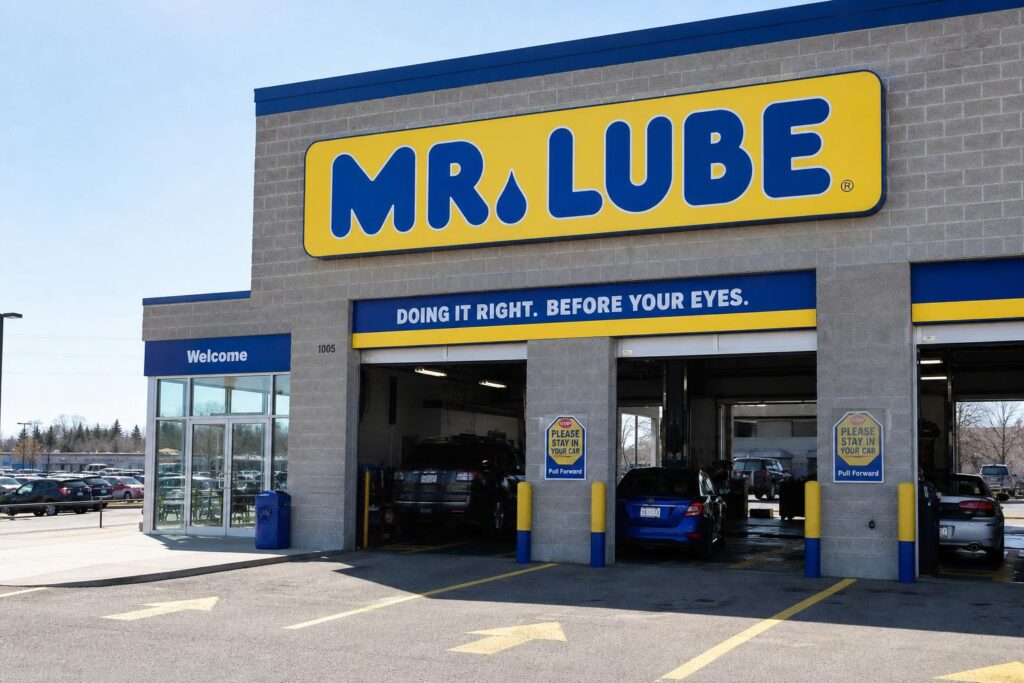
If you drive in Canada, chances are you’ve seen a blue-and-yellow Mr. Lube sign and wondered whether you can trust a quick, drive‑thru oil change with your vehicle’s long-term health. The short answer: yes—if you know how to use the service to your advantage. This guide walks you through how Mr. Lube works, what services they actually do well, how to keep your warranty intact, when to say yes (and no) to add‑ons, what typical costs look like across provinces, and how to tailor maintenance to Canadian realities like deep cold, mountain passes, road salt, and long stretches between towns.
By the end, you’ll know exactly how to plan a smooth visit, avoid common mistakes, and leave with peace of mind—and a properly stamped receipt you can rely on for warranty claims down the road.
Who Mr. Lube Is—and What Makes It Different
Mr. Lube is a Canadian-born quick-service automotive chain focused on drive‑thru oil changes and basic maintenance. No appointment, stay in your car, in-and-out service: that’s the promise. For a lot of Canadians juggling work, school, kids’ hockey, and winter commutes, this model solves a simple problem—convenience—while covering the routine tasks that keep a vehicle healthy between bigger repair visits.
What sets Mr. Lube apart isn’t just speed; it’s process. The core visit typically includes a multi-point courtesy check (fluids, lights, wipers, filters, and visible leaks), an oil and filter replacement tailored to your vehicle’s specs, and a quick review of maintenance items due soon. You don’t book, you don’t step into a service bay—your car rolls through while techs work from below and alongside.
Is this the right model for every service? Not always. Mr. Lube is ideal for fluids, filters, batteries, tires, and simple fixes. Brakes, suspension, driveline repairs, and complex diagnostics often belong at a full-service mechanic or dealership. The trick is knowing where the quick‑lube lane shines—and where to tap the brakes.
Services You Can Expect at Mr. Lube
Oil Changes: The Drive‑Thru Speciality
Oil changes are the heart of the Mr. Lube experience. They stock conventional, synthetic blend, and full synthetic oils, including low‑viscosity grades common in modern Canadian vehicles (0W‑16, 0W‑20, 5W‑20, 5W‑30). The best locations will ask for your exact make, model, year, and engine code, then match the oil to the automaker’s specification (think dexos for GM, WSS‑M2C for Ford, MS‑6395 for Stellantis/Chrysler, ILSAC GF‑6/API SP approvals, and specific European OEM specs where required).
Cold starts are brutal on engines. If you live in a climate where −20°C doesn’t make the news, lower “W” viscosities (0W‑20, 0W‑30) help oil flow quickly on startup. If you tow, drive long distances at highway speed, or own a turbocharged engine, full synthetic is often the smart choice. Mr. Lube can also reset maintenance reminders and show you how to check your dipstick or read an oil life monitor if your vehicle uses one.
How often should you change it? Follow the owner’s manual and your vehicle’s maintenance minder. In Canada, short trips and winter idling can count as “severe service,” which may shorten intervals. If your dashboard uses oil life percentage, trust it—but don’t ignore it once it dips below 15–20% before a long trip.
Tire Services: Rotation, Seasonal Swaps, and TPMS
Most Mr. Lube locations offer tire rotation, balancing, seasonal changeovers, flat repairs, and tire pressure monitoring system (TPMS) service. In Canadian winters, timing matters more than anywhere else: winter tires in Quebec are mandatory from December 1 to March 15, and British Columbia requires M+S or 3‑Peak Mountain Snowflake tires on many highways from October 1 to April 30. Even if your province doesn’t mandate them, winter tires significantly shorten stopping distances in cold conditions.
TPMS got you blinking? Those sensors can lose batteries after 5–10 years. Many Mr. Lube shops can replace or reprogram sensors when you swap to winter rims. Always ask whether they use a torque wrench and offer a complimentary re‑torque after 50–100 km—crucial for alloy wheels and long highway drives. Some locations may offer seasonal tire storage; it varies, so call ahead if you need it.
Fluid Maintenance Beyond Oil
Modern vehicles rely on multiple specialized fluids, and Canadian weather tests them all. Mr. Lube typically services:
- Engine coolant/antifreeze: They can test concentration and top up with the correct chemistry (HOAT, OAT, or manufacturer-specific blends). In deep winter, a proper mix protects against freezing and raises boiling point in summer climbs through the Rockies.
- Brake fluid: Hygroscopic by nature, brake fluid absorbs moisture over time, lowering boiling point and risking a soft pedal on mountain descents. Periodic testing and replacement (often every 2–3 years) is smart preventative maintenance.
- Transmission fluid: Automatic and CVT fluids are not “lifetime” under harsh conditions. Ask whether they perform drain‑and‑fill versus power flush, and insist on the OEM‑approved fluid. CVT transmissions are especially picky—wrong fluid can be an expensive mistake.
- Differential and transfer case fluids: If you drive AWD/4×4, these often get ignored until they whine. Fresh fluid can quiet operation and extend life, especially if you tow or drive through slush and standing water.
- Power steering fluid: Many newer cars use electric power steering (no fluid). If yours uses hydraulic fluid, periodic checks and top‑ups prevent noise and pump wear.
- Windshield washer fluid: It sounds trivial until you hit a salty, slushy highway. Winter-rated fluid helps avoid frozen nozzles and streaky smears.
Rule of thumb: decline generic “flushes” unless your owner’s manual (or a printed OEM schedule the shop can show you) calls for it. Ask for drain‑and‑fill when recommended by the manufacturer, and always match the spec on the bottle to what your car requires.
Battery Testing and Replacement
Car won’t start at −30°C in Saskatoon? That’s often a battery losing cranking power. Mr. Lube locations commonly test cold cranking amps (CCA) and state of health, then replace the battery if needed. For Canadian winters, size, CCA rating, and proper venting (for certain designs) matter. You’ll pay a core charge on the old battery, which is returned when it’s recycled—standard practice across provinces.
Filters, Wipers, and Lights
Two filters make daily driving nicer: the engine air filter (protects the engine) and cabin air filter (protects you and your HVAC system). If your windshield fogs easily or the blower smells musty after snow melts, your cabin filter is probably overdue. Wiper blades age fast in freeze‑thaw cycles; winter blades resist ice buildup. Headlight and signal bulb checks usually come with the courtesy inspection. These are quick wins to keep visibility high on dark winter commutes.
Windshield Chip Repair
Rock struck your glass on the Coquihalla or Highway 1 near Moose Jaw? Many Mr. Lube locations offer chip repair, which can stop cracks from spreading and often takes under an hour. Depending on your province and insurance policy, chip repair may be covered with little or no deductible (for example, certain comprehensive policies with ICBC in BC, MPI in Manitoba, or SGI in Saskatchewan often cover minor chip fixes). The key is speed: a tiny chip can spiderweb in a single cold snap.
Check Engine Lights and Readiness Monitors
Quick‑lube shops aren’t full diagnostic centres, but they can often scan basic OBD‑II codes and tell you if your emissions monitors are “ready.” That’s useful before a provincial inspection or sale. Ontario ended mandatory e‑tests for most passenger vehicles in 2019, and BC’s AirCare program ended years earlier, but emissions readiness still matters for drivability and to pass out‑of‑province inspections or private sales. Persistent codes, rough running, or complex driveability issues deserve a dedicated diagnostic appointment elsewhere.
Fleet Services
Got a small business with vans or pickups spanning Calgary, Winnipeg, and Halifax? Mr. Lube offers fleet programs featuring centralized billing, service histories, and consistent maintenance menus. The benefit is uptime: your team can drop in across the country without juggling invoices. Ask about negotiated rates and whether your local locations have the same fluid brands and tire capabilities you need.
What a Visit to Mr. Lube Actually Looks Like
First-timer? Here’s how the drive‑thru flow generally goes, minus the waiting room coffee.
- Pull into the lane and stop at the signal. A service advisor greets you at your window, confirms your vehicle details, mileage, and your goals. “Just oil and filter?” “Also due for a rotation?” You set the agenda together.
- Vehicle lookup. The tech checks the database for oil spec, filter part number, and any known service notes for your model (e.g., crush washer type, canister filter torque, European oil approvals).
- Courtesy checks. While the engine is warm, they verify fluid levels, scan for obvious leaks, check lights, test the battery, and note tire wear. Expect a short rundown of items that are fine, borderline, or due soon.
- Oil change and chosen services. You stay in the car. Techs drain oil, replace the filter, torque the plug, add oil to spec, and reset maintenance reminders. If you added a tire rotation, they’ll lift the vehicle and rotate in your preferred pattern, checking for nails or uneven wear.
- Final confirmation. They’ll confirm the oil grade used, show you the dipstick level, review your invoice line by line, and apply any coupons. You leave with a printed or digital receipt showing date, mileage, and product details—keep this for warranty purposes.
Tip: If you prefer to approve each add‑on individually, say that up front. A straightforward “Oil and filter only unless it’s a safety issue” makes expectations clear without awkwardness.
How Much Does Mr. Lube Cost in Canada?
Prices vary by province, oil type, engine size, and vehicle design (a cartridge filter on some European models takes more labour than a spin‑on filter on a compact sedan). Urban rent and labour costs also shift pricing. Still, there are realistic ballparks you can use for planning. These are typical Canadian ranges as of recent years and can move with inflation and supply costs; always check your specific location for current numbers.
| Service | What’s Included | Typical Price Range (CAD) | Time |
|---|---|---|---|
| Conventional oil change | Oil + filter, top‑ups, courtesy check | $70–$110 | 15–30 min |
| Full synthetic oil change | OEM‑approved synthetic + filter | $100–$170 | 15–30 min |
| Tire rotation | Rotation, torque, pressure set | $25–$60 | 20–30 min |
| Seasonal tire changeover (on rims) | Swap mounted sets, torque, TPMS reset | $50–$120 | 30–45 min |
| Wheel balancing (per wheel) | Spin balance, weights | $15–$30 | 10–15 min/wheel |
| Battery replacement | Test, new battery, install, recycle | $150–$350+ | 15–30 min |
| Engine air filter | New filter installed | $25–$60 | 5–10 min |
| Cabin air filter | New filter installed | $30–$80 | 5–20 min (varies by model) |
| Coolant service | Test, drain‑fill or exchange, correct type | $130–$250+ | 30–60 min |
| Brake fluid service | Test and replace fluid | $90–$180 | 30–45 min |
| Transmission service (non‑CVT) | Drain‑fill and filter if applicable | $180–$350+ | 45–90 min |
| Windshield chip repair | Resin injection and cure | $40–$120 (often insurance‑covered) | 30–60 min |
Ways to manage cost: check the Mr. Lube website or your local shop for coupons; bundle services you truly need; and consider membership discounts through Canadian organizations where available. Prices and promotions vary by location.
Mr. Lube vs. Dealership vs. Independent Shop
Which lane should you choose? It depends on the job.
Mr. Lube excels at:
- Fast oil changes with the correct spec
- Seasonal tire services, rotations, and TPMS fixes
- Fluid checks and routine replacements
- Batteries, filters, wipers, bulbs, and chip repair
- Fleet convenience across multiple cities
Dealerships shine when you need software updates, recalls, warranty repairs, brand‑specific fluids or parts for unique drivetrains (e.g., DSG service on some German models), or complex diagnostics. Independent mechanics are often your best value for brakes, suspension, steering, exhaust, wheel alignments, and repair work that benefits from a dedicated tech who knows your car over time.
Smart owners mix and match: quick‑lube for routine maintenance and time savings, a trusted independent for wear items, and the dealer for warranty, TSBs (technical service bulletins), and brand‑specific issues. Keep receipts from all three in one place.
Warranty and Record‑Keeping in Canada
Concerned that visiting mr lube will void your new car warranty? In Canada, automakers generally cannot require you to service at the dealership to maintain warranty coverage, provided you follow the manufacturer’s maintenance schedule, use the right fluids and parts, and keep documentation. The Canadian Automotive Service Information Standard (CASIS) enables independent shops to access service information so they can maintain modern vehicles properly.
What you should do every time:
- Confirm the oil meets the exact spec printed in your owner’s manual (dexos, ACEA, VW/Audi, Mercedes‑Benz approvals, etc.). Ask to see the bottle label.
- Make sure the invoice lists the oil grade, quantity, and filter part number.
- Keep digital and paper records showing date, mileage, and services performed.
- Follow the severe‑duty schedule if your driving fits the definition (short trips under 10 km in winter, frequent idling, dusty roads, towing, or extreme temperatures).
If a warranty dispute ever arises, clear records and correct specs are your best friends. When in doubt, ask the tech to note the OEM approval on your invoice.
Choosing the Right Oil and Filter for Canadian Conditions
Oil isn’t just “thick” or “thin.” It’s a chemistry set designed to flow at extreme cold, resist breakdown at high heat, and keep modern turbo engines clean. Here’s how to cut through the noise.
Viscosity: The first number (0W, 5W) reflects cold flow; the second (20, 30, 40) reflects operating temperature thickness. In most Canadian winters, 0W‑20 or 0W‑30 helps cold‑start protection. If your manual lists multiple choices, pick the one that matches your climate and fuel economy goals.
Specification: The label should show the OEM approval or industry standard your vehicle requires—API SP/ILSAC GF‑6A for many North American gasoline cars; dexos1 Gen 3 for late‑model GM; ACEA and manufacturer approvals for many European vehicles. A “meets or exceeds” statement is not the same as a formal approval. When your manual demands a specific approval (e.g., VW 504.00), use it.
Filter quality: A good oil filter matters more in cold starts and long intervals. For extended drains or turbo engines, ask for a higher‑quality filter with robust media and a quality anti‑drainback valve. On vehicles with cartridge filters, correct fit and torque are key to avoid leaks.
Seasonal Maintenance for Canadian Roads
Winter: Start, Stop, and See
Before the first big freeze:
- Install winter tires early to avoid the queue. Quebec’s December 1 deadline sneaks up fast, and BC’s mountain passes don’t forgive procrastination.
- Check your battery; cold knocks 30–50% off effective cranking power.
- Switch to winter washer fluid and replace streaky wipers. Visibility is a safety system.
- Confirm coolant protection, especially if you recently topped up with water during summer.
- Keep your fuel above half a tank to avoid condensation freezing in lines on very cold nights.
Engine oil choice also matters. If your car allows 0W grades, take advantage for quicker lubrication on minus‑temperature mornings.
Spring and Summer: Heat, Towing, and Road Trips
Summer strains different systems. Planning a cross‑Canada drive or towing a trailer to a provincial park?
- Cooling system: Heat and steep grades can expose weak coolant or a marginal radiator cap. Ask for a coolant concentration and pH test.
- Transmission and differential fluids: Towing or long mountain descents raise fluid temperatures. Fresh, correct‑spec fluids fight varnish and wear.
- Brake fluid: High humidity and heat cycles lower boiling point; a quick test can justify replacement ahead of a big trip.
- Tire pressures: Set them cold before sunrise; heat adds PSI and can change handling when fully loaded.
A pre‑trip oil change at Mr. Lube with a multi‑point check is a practical ritual. It’s also a good time to replace a borderline cabin filter before dusty farm roads and wildfire smoke season.
Coastal and Prairie Realities: Salt and Dust
Drive near the Atlantic or Pacific? Salt spray and brine-coated winter roads accelerate corrosion. Rinse undercarriages when safe and keep an eye on brake lines and fasteners. On prairie gravel, dust clogs engine air filters quickly—check them more often and consider a rotation schedule that accounts for rural driving.
Environmental Responsibility and Canadian Recycling Rules
Used oil and filters don’t go in the trash. They’re hazardous if mishandled, and Canada has strong stewardship programs to keep them out of landfills. Provinces administer used oil, filter, antifreeze, battery, and tire recycling through organizations and producer responsibility regulations (for example, BC Used Oil Management Association, Alberta Recycling Management Authority, and Ontario’s RPRA framework). Reputable shops, including Mr. Lube locations, collect and send these materials to approved processors.
What this means for you: ask where your fluids go. A straightforward answer about recycling partners is a good sign. Don’t pour oil at home; bring household oil and filters to municipal depots or participating retailers. Batteries carry core charges to encourage returns; tires do, too. Most Mr. Lube stores are set up to handle these streams properly.
Time‑ and Money‑Saving Tips for Your Next Mr. Lube Visit
- Go off‑peak. Weekday mid‑mornings are usually quieter than Saturday rush after a snowfall.
- Check online offers before you drive over. Promotions change by location.
- Bundle wisely. If your battery is borderline and winter is coming, it’s cheaper to replace it before a tow. If your air filter is just dusty on the edges, you can likely wait.
- Ask for the service printout from the OEM schedule, not a generic “flush” sheet. Approvals and intervals matter.
- If you prefer a specific oil brand or OEM filter, call ahead. Policies on customer‑supplied parts vary by store.
- Keep a maintenance folder or phone album with photos of each invoice. If you sell the car, this boosts buyer confidence.
Common Mistakes to Avoid at Any Quick‑Lube—Including Mr. Lube
- Saying yes to a fluid that doesn’t match the OEM spec. Ask to see the label. If it doesn’t list your approval, choose differently.
- Ignoring AWD differentials and transfer cases. They need love, too—especially with winter traction systems working overtime.
- Skipping the tire re‑torque. Fasteners relax; 50–100 km later, re‑check them.
- Forgetting TPMS programming. If your light stays on after a seasonal swap, ask them to relearn sensors or check for dead batteries in the sensors.
- Letting a small windshield chip sit. A cold snap can turn a pinhole into a crack across your vision.
- Assuming “lifetime” means forever. In Canadian conditions, lifetime often means “until severe service says otherwise.”
Hybrids, Plug‑In Hybrids, and EVs at Mr. Lube
Hybrid? You still have an engine that needs oil, but it may run less and prefer specific low‑viscosity synthetic. Inverter and hybrid‑system coolants also exist on many models—check intervals. Plug‑in hybrids add weight and complexity but follow similar maintenance logic.
EV? No engine oil, but plenty of quick‑service items remain: cabin air filter, brake inspections and brake fluid replacement (regen braking masks, but doesn’t eliminate, corrosion), tires (EVs chew through rubber thanks to instant torque and higher curb weights), wipers, and seasonal checks. Some EVs require gear reduction oil service at long intervals—ask your owner’s manual, then see if your local Mr. Lube can perform it or recommend a partner shop.
How to Evaluate a Specific Mr. Lube Location
Franchised locations vary. Here’s how to spot a good one:
- Clear communication: They confirm your vehicle, verify specs, and show you product labels if asked.
- Torque discipline: You see or hear them call out torques and use calibrated torque wrenches on drain plugs and wheels.
- Transparency: Old parts (filters) are offered back or shown to you. Fluids are measured, and levels verified in front of you.
- Cleanliness: A tidy bay and organized fluid stations reduce mistakes.
- Reviews: Look for consistent praise about honesty and speed, not just a few glowing or angry outliers.
If you drive something unusual (diesel, European with strict oil approvals, or a performance model), phone ahead to confirm they stock the right fluids and filter. Good shops will tell you straight if they don’t—and earn your respect for it.
Road Trips and Cross‑Province Support
One underrated advantage of a chain like Mr. Lube is coverage. If you start in Winnipeg and end up in Kamloops, it’s comforting to know you can get an oil change or tire repair without hunting for a new shop on short notice. Keep your last receipt in the glovebox; even if warranties are location‑specific, the service history helps any technician understand what’s been done. Ask your local store about any nationwide guarantees they honour on fluids and filters—policies can change, so it’s best to hear it firsthand.
Safety and Quality Checks You Can Do From the Driver’s Seat
You don’t need a hoist to double‑check basic quality before you roll out:
- Oil level: After the service and a minute of rest, ask to see the dipstick. Level should be between the marks, ideally closer to the upper mark but not overfilled.
- Leaks: After you park at home, look for fresh spots under the car. A drop or two of residual oil from the drain area can be normal; a growing puddle is not.
- TPMS light: It should be off if pressures are set and sensors recognized. If it blinks and stays on, return for a quick reset.
- Wheel feel: If you had tires off, listen for new vibrations. If the steering wheel shakes at highway speed, request a re‑balance.
Real‑World Canadian Examples
Toronto condo dweller with no parking spot? A drive‑thru oil change is almost essential—no jack, no drain pan, no mess. Combine it with a tire rotation and wiper replacement before a Lake Ontario lake‑effect storm rolls through.
Kamloops to Vancouver ski weekend? Have Mr. Lube test your battery and brake fluid, top up winter washer fluid, and set tire pressures for a fully loaded car. If you see a small windshield chip after the drive, fix it before the next freeze.
Halifax coastal commuter? Ask the shop to check for early corrosion on brake lines and hardware during rotations, and rinse the undercarriage at a wand wash periodically to fight salt.
Calgary pickup owner who tows? Consider earlier transmission and differential services and full synthetic oil with the right approvals, especially in summer heat on the QEII.
When to Say “Yes” to Add‑Ons—and When to Pause
Say yes when:
- The item is due per your manual (e.g., brake fluid every 2–3 years, cabin filter clogged).
- You see objective evidence: failed battery test printout, coolant freeze point off‑spec, TPMS sensor with dead battery, or a cracked wiper rubber in your hand.
- You’re about to travel far from services, and a borderline component could sideline you.
Press pause when:
- The fluid or filter still looks serviceable and the interval isn’t due.
- The shop can’t show the OEM spec on a bottle for your transmission or engine.
- They recommend a “universal” additive to fix a deeper issue. Additives aren’t magic.
How Mr. Lube Fits Into a Long‑Term Maintenance Plan
Think of quick‑lube as a pit stop, not a full tear‑down. Map your year like this:
- Quarterly or per interval: Oil and filter at Mr. Lube, tire rotations every 8,000–10,000 km, courtesy checks.
- Seasonal: Winter tire install/removal, battery checks, washer and coolant top‑ups, chip repair.
- Annually: Brake fluid test, cabin filter swap if needed, alignment check elsewhere if you notice uneven wear.
- Bi‑annual or as per manual: Transmission, differential, and transfer case fluids, ideally with OEM specs verified.
- As needed: Wipers, bulbs, air filters, and batteries.
Combine this with a yearly visit to a trusted mechanic for a deeper inspection of brakes, suspension, and underbody rust, and you’ve covered the bases.
What to Bring—and What to Ask—Before You Go
- Owner’s manual or a screenshot of fluid specs for engine and transmission.
- Current mileage and last service date.
- Any coupons or membership cards.
- Clear priorities: “Oil and filter, synthetic 0W‑20, OEM spec only. Rotate tires and test battery. No other services without asking.”
Three quick questions that save headaches:
- “Can you confirm the oil meets [my car’s] approval?”
- “Do you torque the drain plug and wheels to spec, and can you note the value?”
- “If I have an issue after I leave, what’s your process?”
Regional Differences Across Canada
Provinces shape practice. Quebec’s winter tire deadline creates October/November rushes; book your changeover early. BC’s mountain passes and variable coastal temperatures mean many drivers swap late fall and again in early spring. Prairie cities see greater cold‑start stress on batteries and oil. Atlantic salt exposure magnifies the value of regular underbody rinses and corrosion checks during tire rotations.
Insurance also varies. In provinces with public insurers (ICBC in BC, SGI in Saskatchewan, MPI in Manitoba), chip repairs can be straightforward to claim. Private insurers across Ontario and Alberta differ on deductibles; check your policy app before you pay out of pocket.
How Mr. Lube Handles Used Fluids and Why It Matters
Environmental compliance isn’t just about good PR; it’s the law. Used oil is collected into bulk tanks and shipped to processors for re‑refining or energy recovery. Oil filters are crushed and recycled. Antifreeze is distilled and reused. Batteries are broken down safely; lead and plastics get a second life. Tires feed into crumb rubber for playground surfaces, sports fields, or civil engineering. Ask your Mr. Lube location about their stewardship partners; a confident answer shows the system is in place.
Troubleshooting After a Service: What’s Normal, What’s Not
Normal:
- A faint whiff of oil on the first drive (residual from the drain area), gone by the next day.
- Maintenance light reset notifications on startup.
- Tires feeling slightly different if you rotated a directional or staggered setup—should settle quickly.
Not normal:
- Fresh oil spots that grow larger overnight.
- Check engine light after a service unrelated to previous issues.
- Persistent TPMS warning after a rotation or swap.
- New vibration or pull after tire work.
If something feels off, return immediately. Reputable locations will check and correct their work.
Ethical Upselling vs. Pressure: Drawing the Line
There’s a difference between “You’re due per the manual” and “You need this universal flush right now.” The first is maintenance; the second is pressure. A good Mr. Lube shop will present objective test results (battery printout, coolant refractometer reading) or visible wear (torn wiper rubber, blackened cabin filter) and let you decide. If you ever feel rushed, slow the conversation down. It’s your car and your wallet.
For New Canadians and First‑Time Car Owners
If you’re new to driving in Canada, quick‑lube services can make the learning curve gentler. Tell the advisor it’s your first time and ask them to show you the dipstick, the coolant reservoir, and the tire pressure placard on your door jamb. Snap a photo of your invoice and the sticker on the windshield with the next due date. You’ll be surprised how quickly it all feels routine.
Final Thoughts: Using Mr. Lube the Smart Way
Mr. Lube thrives on convenience. Use that convenience to keep the basics covered—oil, filters, tires, fluids—on schedule. Bring your specs, ask for the right approvals, keep your receipts, and lean on the network when you’re travelling. Pair those habits with a yearly checkup at a trusted mechanic, and you’ll enjoy the best of both worlds: quick service when you need it, and deep service when it counts.
FAQ
Does getting an oil change at mr lube void my new car warranty in Canada?
No, provided the oil and filter meet your manufacturer’s specifications and you follow the prescribed service intervals. Keep detailed receipts showing the oil grade, approval, and filter part number.
How often should I change oil if I do lots of short trips in winter?
Short, cold trips are severe service. If your car uses an oil life monitor, you may see faster countdowns in winter—follow it. If you’re on a time/mileage schedule, consider the severe‑duty interval in your manual, which is often shorter than the normal schedule.
Is full synthetic worth it in Canada?
Often, yes. Full synthetic flows better in deep cold, resists breakdown in summer heat, and can help keep turbos cleaner. If your manufacturer specifies synthetic, follow that. If they allow either, Canadian climate often tips the scale to synthetic.
Can Mr. Lube handle European and performance oil specs?
Many locations stock common European approvals, but not all. Call ahead with your exact approval (e.g., VW 504.00/507.00, BMW LL‑01, MB 229.5/229.52). If they don’t have it, ask if they can order it or consider a shop that does.
What about transmission flushes—good or bad?
Neither by default. Follow the owner’s manual, use the OEM‑approved fluid, and prefer drain‑and‑fill when recommended. Avoid generic “power flushes,” especially on CVTs, unless the manufacturer prescribes that method.
Do I really need brake fluid changes?
Brake fluid absorbs moisture, lowering its boiling point. In humid or mountainous regions, that matters. Testing it annually and replacing it every 2–3 years is common good practice; check your manual.
Can Mr. Lube reset my oil life monitor and maintenance reminders?
Yes, most locations can reset common systems. If yours is uncommon, they’ll usually look up the procedure or walk you through it.
What’s a fair price for a synthetic oil change in Canada right now?
Ranges vary, but $100–$170 is a realistic ballpark at many quick‑lube shops, depending on oil spec, engine size, and province. Premium European approvals can cost more.
Will they rotate tires with directional tread or staggered sizes?
Directional tires must stay on the same side; staggered setups can’t be front‑to‑back swapped if sizes differ. A good tech will follow the correct pattern or advise if rotation isn’t possible.
Does Mr. Lube do full brake jobs?
Some locations may offer brake services; many focus on inspection and fluid replacement only. For pads, rotors, and calipers, a full‑service mechanic or dealership is often the better choice.
Is windshield chip repair covered by insurance?
Often yes under comprehensive coverage, sometimes with no deductible. It varies by province and insurer. Check your policy—public insurers like ICBC, SGI, and MPI have clear chip repair guidelines.
Can I bring my own oil or filter?
Policies vary by location. Some allow it; others don’t for liability reasons. Call ahead and ask about pricing and warranty implications if you supply parts.
Do I need winter tires if I live in Ontario?
They’re not legally required, but they’re a major safety upgrade below 7°C. Many insurers offer discounts for winter tires. In Quebec they’re mandatory in winter; in BC they’re required on many highways seasonally.
How do I know if a Mr. Lube shop is any good?
Look for clear communication, proper torque procedures, willingness to show you product labels, and consistent reviews praising honesty and speed. Trust your gut: if something feels rushed or vague, pause.
What should I keep for my records?
Invoices listing date, mileage, oil grade and approval, filter part numbers, and any additional services. Store them digitally and on paper if possible. These protect your warranty and help resale value.