
Mid Fade Haircuts in Canada: A Real-World Guide to Nailing the Look, Keeping It Sharp, and Making It Yours
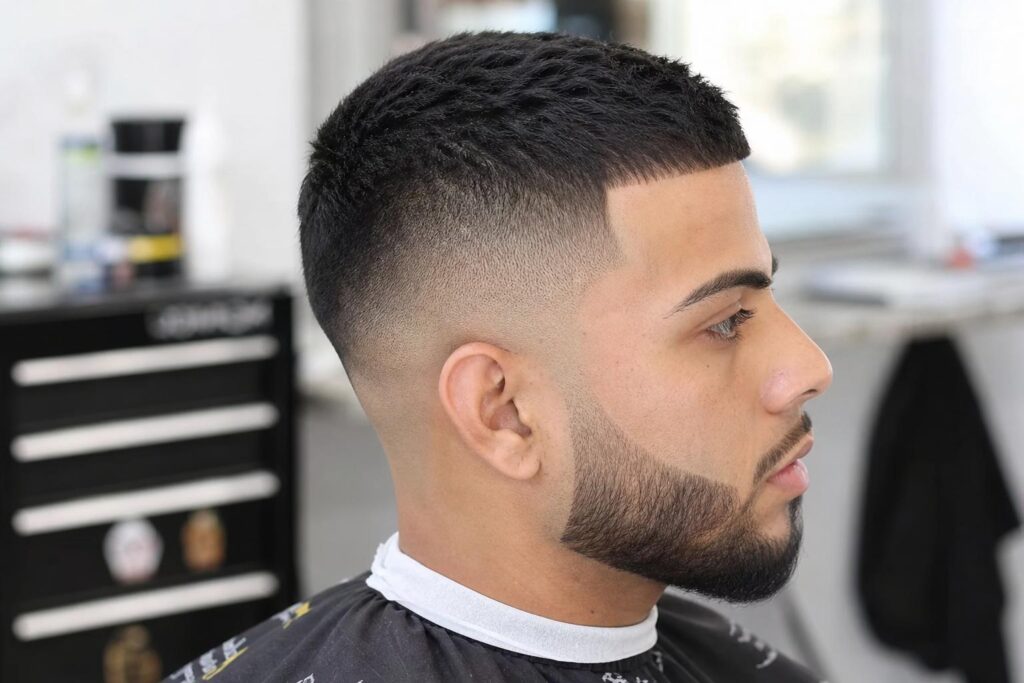
The mid fade sits in that sweet spot where clean lines meet everyday practicality. It’s crisp without shouting, adaptable without becoming bland, and—done right—flatters more face shapes and hair types than most trends that cycle through Canadian barbershops. If you’ve ever walked out of a shop thinking, “Almost perfect, but the sides are too short,” or “It looks good for two days and then collapses,” this guide is for you. You’ll learn exactly what a mid fade is, how it differs from low or high fades, which version works on your hair type, what to ask your barber in plain language, how to maintain it between cuts (through Canadian winters and humid summers), what it typically costs across major cities, and how to avoid the most common mistakes.
We’ll also get practical: examples you can use at the chair, a step-by-step of what good barbers do, product choices that actually help, and clear comparisons—mid skin fade vs mid taper fade, mid drop fade vs standard, mid fade with beard vs clean-shaven. By the end, you’ll know how to get the exact mid fade you have in your head onto your actual head.
What Exactly Is a Mid Fade?
A mid fade is a haircut where the shortest length on the sides and back starts to transition into longer lengths roughly halfway up the head—usually around the temple area on the sides and midway across the occipital bone at the back. Think of it as the middle path between a low fade (which hugs the ears and lower hairline) and a high fade (which takes the blend much higher, sometimes into the parietal ridge).
You might hear barbers use language like “build the weight in the middle” or “drop the fade in back.” They’re describing how the shortest parts graduate to longer hair, creating a smooth gradient with no harsh steps. In technical terms, the mid fade places the blend line at a medium elevation and follows the head’s natural curvature. That’s why it flatters a wide range of skull shapes: it doesn’t remove too much weight up top (as a high fade might) or leave too much on the lower sides (like some low fades can).
The finish varies widely:
- Mid taper fade: the softest version, where the hairline and sideburns taper down but much of the side length is left intact. It looks sharp yet conservative and is an easy fit in business settings.
- Mid skin fade (also called a mid bald fade): the shortest area is shaved to skin with a foil shaver or straight razor, then blended up. This is the crisp, “photo-ready” option that delivers the most contrast.
- Mid drop fade: the blend “drops” behind the ear and dips lower at the back of the head, mirroring natural head shape. It’s a popular choice for people who want a sleek profile without exposing too much scalp in the crown area.
- Mid burst fade: the fade radiates around the ear. Paired with a faux hawk or modern mullet, it’s bold without being over the top.
Mid Fade vs. Low Fade vs. High Fade vs. Taper: The Differences That Matter
When you’re in the chair, tiny differences in terminology can change the haircut completely. Here’s how to think about it so you get what you actually want.
| Style | Where the Blend Starts | Contrast Level | Best For | Notes |
|---|---|---|---|---|
| Low fade | Just above the ear and nape | Low–Medium | Conservative looks, longer hair on sides | Great for hiding cowlicks or avoiding too much scalp exposure |
| Mid fade | At the temple and mid-occipital | Medium | Balanced profiles, most head shapes | The “just right” zone for clean yet versatile |
| High fade | Near the temples and high on the sides | High | Strong jawlines, short textured crops, buzz cuts | Can look dramatic; less forgiving if the blend isn’t perfect |
| Taper | Only at edges: sideburns, nape | Low | Business environments, longer sides, minimal maintenance | Also called a “taper fade” in casual speech; technically not a full fade |
| Mid skin fade | Mid height, shortest area to skin | High (cleanest finish) | Sharp, modern looks and curly/coil textures | May need 2–3 week touch-ups to stay crisp |
Who a Mid Fade Flatters (and When to Pick Something Else)
The mid fade generally plays well with most face shapes because it adds structure without erasing too much side weight. Still, consider the following:
- Round faces: Ask for a mid drop fade paired with height on top (quiff, textured crop, or pompadour). Keeping extra length at the top elongates the face.
- Square faces: A softer mid taper fade can balance strong angles, especially if you keep a little more length above the temples.
- Oval faces: Almost any mid fade variation works. Focus on the style up top: slick back, side part, French crop, or natural curls.
- Long faces: Avoid taking the sides too close if you’re also adding a lot of height. A mid fade with a looser, flatter top looks more proportional.
Hair density and texture matter, too:
- Thick, straight hair: A mid fade helps remove bulk and define shape. Ask your barber about texturizing the top to prevent helmet hair (a winter toque can flatten things quickly).
- Wavy hair: A mid drop fade complements natural movement. Sea salt spray or a light cream can keep it from going frizzy during humid Ontario summers or on the West Coast.
- Curly and coily hair: A mid skin fade creates sharp contrast and showcases curls on top. It’s a staple for a reason—clean edges, defined shape, easy daily styling.
- Thinning hair: Consider a mid taper fade rather than a full mid skin fade. Keeping a little more side length can create the illusion of density.
Mid Fade Variations You’ll Actually Wear
“Mid fade” is a starting point. Pair it with a top style and details so it looks like you—not a stock photo.
Mid Taper Fade
Ideal for offices, client-facing roles, and anyone who wants a neat silhouette. The hairline and sideburn taper down to short lengths but not necessarily skin. This works perfectly with a side part, comb-over, or natural texture. If your dress code is on the stricter side (finance, law, education), a mid taper fade keeps you clean without looking like you’re trying to impress Instagram.
Mid Skin Fade (Mid Bald Fade)
The crispest option. Barbers often close with a foil shaver to get that extra-clean finish from the ear to the blend line. Pair it with a textured crop, short quiff, or buzz-length top. It photographs beautifully and looks intentional even as it grows out. If your skin gets irritated easily, consider asking for the lowest clipper guard (like a 0 or 0.5) instead of a full shave to prevent razor bumps—especially on coarse, curly hair.
Mid Drop Fade
The blend drops around the back of the head. On profiles, it’s sleek. At the crown, it avoids exposing thin spots. It’s the best pick if your head shape gets flat at the back, you have a strong occipital bone, or you wear a lot of hats and want the hair under the toque to grow evenly.
Mid Burst Fade
Flares around the ear like a sunburst, usually paired with a faux hawk, curly mohawk, or a modern mullet. It’s popular with hockey and football players who want tight sides that don’t interfere with helmets yet keep personality up top.
Classic Pairings for the Top
- Textured crop + mid fade: Low effort, high style. Great on straight or wavy hair.
- Comb-over + mid taper fade: Boardroom friendly. Add a natural part instead of a hard line if your office is conservative.
- Slick back + mid skin fade: Clean, sharp, and surprisingly wearable if the finish is matte instead of glossy.
- Curly top + mid drop fade: Let your curls lead. Use curl cream for definition and frizz control in humid weather.
- Buzz cut + mid fade: Military neat without going full high-and-tight. If you have strong features, this is an easy win.
- Pompadour + mid fade: For people who enjoy styling. Works best if your hair is dense and you don’t mind a blow-dryer.
How a Mid Fade Works on Different Hair Types (With Real-World Tips)
Hair behaves differently in Calgary’s dry winters than it does in a humid August in Montreal. Adjust your approach so your mid fade looks good on Tuesday morning, not just on haircut day.
Straight Hair
Risk: helmet hair under winter toques or bike helmets. Solution: ask your barber to remove bulk with scissor-over-comb or point cutting up top. Style with a matte clay or paste—light to medium hold—so the hair doesn’t collapse. Avoid heavy pomades in winter; they can look greasy when you step into overheated indoor spaces.
Wavy Hair
Risk: frizz and puffiness in humidity. Solution: a mid drop fade that respects your wave pattern, plus a sea salt spray or curl-enhancing cream on damp hair. Finish with a touchable matte product. On the West Coast, carry a travel-size cream for rainy days.
Curly Hair
Risk: uneven shrinkage as it dries, especially after hat hair. Solution: define curls while damp with a curl cream or leave-in conditioner. Diffuse on low heat or air-dry. A mid skin fade gives you structure even if the curl pattern changes during the day. In winter, use a hydrating shampoo less often and co-wash to combat dryness.
Coily Hair
Risk: razor bumps with tight fades, dryness in winter. Solution: consider a mid fade that stops at a 0 or 0.5 guard instead of going all the way to skin if bumps are a problem. Keep a consistent moisturizing routine: leave-in conditioner, a light oil (such as jojoba), and a balm to seal. If you wear waves under a durag, brush consistently and ask for a mid taper fade to frame the pattern neatly without irritating the skin.
Canadian Realities: Weather, Water, and Lifestyle
Canada’s climate asks a lot from hair. Here’s how to keep your mid fade sharp from Halifax to Vancouver Island.
- Winter dryness: Central heating dries hair and scalp. Use a moisturizing conditioner, and consider a weekly mask. Static? A dab of leave-in or a few drops of lightweight oil rubbed between palms and patted on the surface solves the flyaways without making hair heavy.
- Toque hair: If you wear hats daily, ask your barber to keep a touch more weight above the temples and to contour the blend so it doesn’t create shelves when flattened. At home, mist the top with water or a light tonic and reshape with fingers.
- Summer humidity: In Toronto and Montreal, lean into matte creams with humidity resistance. On the West Coast, frizz control is your friend—use a cream with glycerin or aloe.
- Hard vs soft water: Prairie cities often have harder water, which can leave product buildup. Use a clarifying shampoo once every 1–2 weeks and follow with conditioner.
- Bilingual note: In Quebec, you’ll also see “dégradé moyen” or “fondu moyen” for mid fade. If you’re booking in Montréal, bringing a photo is universal; the terms help, but visuals do the heavy lifting.
What a Mid Fade Costs in Canada (and How Long It Takes)
Prices vary by city, shop reputation, and whether a beard trim or wash is included. Here’s a snapshot of typical ranges for a mid fade in Canadian dollars, before tax and tip.
| City | Typical Price for Mid Fade | With Beard Trim | Average Duration |
|---|---|---|---|
| Toronto (ON) | $40–$75 | $55–$95 | 30–50 minutes |
| Vancouver (BC) | $35–$70 | $50–$90 | 30–45 minutes |
| Montréal (QC) | $30–$60 | $45–$80 | 30–45 minutes |
| Calgary (AB) | $30–$60 | $45–$80 | 30–45 minutes |
| Ottawa (ON) | $35–$65 | $50–$85 | 30–45 minutes |
| Edmonton (AB) | $30–$60 | $45–$80 | 30–45 minutes |
| Halifax (NS) | $25–$55 | $40–$75 | 30–40 minutes |
| Winnipeg (MB) | $25–$55 | $40–$75 | 30–40 minutes |
| Victoria (BC) | $35–$65 | $50–$85 | 30–45 minutes |
| Quebec City (QC) | $25–$55 | $40–$75 | 30–40 minutes |
Taxes: In Ontario, HST is 13%; in BC, you’ll pay GST (5%) plus PST (7%) on many services; Alberta has no provincial sales tax (you’ll pay 5% GST). Quebec applies GST and QST. Tipping norms run 15–20% depending on the result and experience. Many busy shops in larger cities use online booking and may require a deposit or enforce a no-show fee—check the policy when you book.
How to Ask for the Mid Fade You Want (Without Barber Jargon)
Photos help, but words matter. Barbers translate your goals into technique. Here are simple scripts you can use:
- “I want a mid fade that drops a bit in the back. Not to skin—let’s do a 0.5 at the bottom. Keep some weight above the temples so it doesn’t look too tight.”
- “Mid skin fade, please. I wear it with a textured crop on top, finger length. No hard part, and keep the neckline natural.”
- “Mid taper fade. I need it conservative for work. Leave the sides longer than a typical fade, and just clean up the edges. Short scissor trim on top for movement.”
- “Curly top with a mid drop fade. I want definition, not too short on the crown. Please line up the edges softly.”
Beard notes:
- If you have a beard, say: “Blend the mid fade into the beard at a 1.5 or 2 guard, keep the cheek lines natural, and square the bottom just a touch.”
- If you’re clean-shaven: “Keep the sideburns natural, not blocked, and avoid a harsh neckline.”
What not to do: Don’t just say “mid fade” and leave it there. Add the bottom length (skin, 0, 0.5, or 1), how you wear the top, and how aggressive you want the blend. And be honest about maintenance. If you don’t like coming in every two weeks, avoid a fully bald mid skin fade.
What a Skilled Barber Actually Does During a Mid Fade
Understanding the process helps you communicate and spot quality.
- Consultation: They assess head shape, hair growth patterns, and cowlicks, then confirm the fade height, bottom length, and top style. A good barber will repeat back your request and adjust if your goals clash with your hair’s realities.
- Establish the baseline: Starting with a longer guard (e.g., 2 or 3), they remove bulk on the sides to see the shape. Then they set the lowest guideline—skin, 0, 0.5, or 1—at a mid height.
- Build the blend: Using the clipper lever and guards (e.g., 0.5, 1, 1.5, 2), they work up in small sections, flicking out to avoid steps. Around the parietal ridge, they might switch to clipper-over-comb or scissor-over-comb to keep the transition soft.
- Detail work: They refine with the corners of the blade, close the lever for darker spots, and check symmetry by eye and mirror. On a mid skin fade, they’ll finish the bottom area with a foil shaver or straight razor for that crisp finish.
- Top styling and texture: Scissors come out. Point cutting or slide cutting adds movement, especially if you wear a textured crop or comb-over. They’ll check how your hair lays when dry—not just when wet.
- Edges and neckline: You’ll choose between a natural neckline (soft, grows in cleanly), a tapered neckline (most popular with fades), or a boxed neckline (sharp but grows quickly). For most mid fades, a tapered neckline looks modern and lasts longer between cuts.
- Style and product: A quick blow-dry to set direction, then a small amount of product based on your goals—matte clay, light paste, cream for curls, or pomade for shine.
DIY: Can You Give Yourself a Mid Fade at Home?
Honest answer: A mid fade is possible at home with patience, two mirrors, and decent tools. But it’s one of the cuts that shows every mistake. If budget is the reason, you can reduce visits by learning to do line clean-ups and neckline tapers between professional cuts.
If you’re determined to try:
- Set up: Bright light, a wall mirror plus a handheld mirror, and a chair that lets you sit upright. Take breaks—rushing creates steps you’ll fight for an hour.
- Tools: Adjustable clipper with guarded lengths (0.5 to 8), a trimmer for edges, scissors, comb, and sectioning clips. Popular brands in Canada include Wahl, Andis, BabylissPRO, and Oster. They’re widely available at pro beauty suppliers and major retailers online.
- Game plan: Start with a longer guard to remove bulk. Create your lowest line at the right mid height. Work up gradually—0.5 to 1 to 1.5 to 2—using short flicking motions. Keep the head tilted slightly away from the clipper so the skin is taut.
- Leave the back to last: It’s the hardest part. Use a guide finger width and small guard changes. When in doubt, stop and switch to scissor-over-comb—it’s slower but forgives mistakes.
- Stop before skin: If you don’t own a foil shaver and have never done it, start with a 0 or 0.5. You can always go shorter next time.
Clean your tools after every cut. Sanitize blades with clippercide or 70% isopropyl alcohol, and oil the clipper as directed. Barbers in Canada follow health and sanitation standards—at home, keep yourself to the same bar.
Clipper Guard Cheat Sheet
Guard sizes aren’t universal across brands, but this reference will keep you oriented:
| Guard | Approx. mm | Use in a Mid Fade |
|---|---|---|
| No guard (open/closed) | 0.5–1.2 mm | Bottom of the fade, refining transitions |
| 0.5 guard | 1.5 mm | Bridging skin to a 1 guard |
| 1 guard | 3 mm | Lower mid-section of the blend |
| 1.5 guard | 4.5 mm | Softening mid blend without jumping to a 2 |
| 2 guard | 6 mm | Upper mid-section, common stopping point |
| 3–4 guard | 10–13 mm | Maintaining more side weight; conservative finishes |
Styling Products That Work in Canadian Conditions
Match the product to your hair type, desired finish, and the weather you’re living in. These categories are widely available in Canada; look for Canadian-made brands if you like to shop local.
| Product Type | Best For | Finish | Tips | Notes |
|---|---|---|---|---|
| Matte clay | Thick/straight hair; textured crops | Matte | Warm a pea-size in palms; apply to dry hair | Great in winter to avoid shine under indoor lights |
| Paste/cream | Wavy hair; natural looks | Natural | Apply damp for softer hold; dry for more control | Humidity-friendly if you choose glycerin-based |
| Pomade | Slick backs; classic comb-overs | Shine | Use sparingly; too much looks greasy in heat | Water-based is easier to wash out |
| Sea salt spray | Wavy/curly texture enhancement | Matte-textured | Spritz on damp, scrunch, air-dry | Can be drying; pair with conditioner |
| Curl cream | Curly/coily hair | Soft, defined | Apply to damp hair; diffuse low heat | Look for alcohol-free formulas |
| Pre-styler (tonic) | Fine hair needing lift | Light | Blow-dry with a vent brush | Boosts volume without heaviness |
Canadian brands you’ll see in barbershops include Victory Barber & Brand (Victoria, BC), Crown Shaving Co. (Toronto), and Rocky Mountain Barber Co. They offer clays, creams, and aftercare built for local climates. Whatever brand you choose, check ingredient lists if you have sensitive skin, and test new products sparingly at first.
Beard Blends and Line-Ups: Finishing the Mid Fade
If you wear facial hair, the transition from mid fade to beard is as important as the fade itself. Ask for a beard fade that starts at the sideburn and finishes where your beard reaches full density. On patchy beards, fading into a slightly higher length (like a 1.5) creates the illusion of fullness. Keep cheek lines soft unless you want a graphic look.
For the neckline, a gradual taper looks modern and grows in neatly. If your skin is bump-prone, skip razor-sharp necklines and choose trimmer-cleaned lines instead. Treat shaved areas with an alcohol-free aftershave or witch hazel and a dab of moisturizer—especially in dry climates.
Maintenance: How Often to Cut, and What to Do Between Visits
Hair grows roughly 1 to 1.5 cm per month. On a mid fade, that means:
- Mid skin fade: clean-up every 2–3 weeks if you want it crisp.
- Mid taper fade: 3–5 weeks, depending on how soft you like the edges.
- Mid fade with longer top: book a trim for the top every 4–6 weeks to maintain shape.
Between cuts:
- Neckline tidy: A quick trimmer pass at the nape can extend your cut by a week. If you’re unsure, ask your barber to mark where to stop so you don’t carve it too high.
- Product reset: If your hair feels heavy, use a clarifying shampoo and follow with conditioner. In hard-water areas, this is a game-changer.
- Hat rescue: Lightly mist water, work a small amount of cream through, and push hair into place with fingers. Don’t overwork it; you’ll add frizz.
Common Mistakes with Mid Fades (and How to Avoid Them)
Most bad mid fades share a short list of problems:
- The “shelf”: A harsh step where the blend meets longer hair. Fix: ask for clipper-over-comb or scissor work above the parietal ridge. If your head is flat at the sides, a mid drop fade helps.
- Too high: A mid fade that rides into a high fade by accident. Fix: clarify before the cut—“mid fade, keep weight above the temple.”
- Too low: It looks like a low fade and loses impact. Fix: ask the barber to place the first guideline at the temple height.
- Over-textured top: Choppy for the sake of it. Fix: ask for soft texture, not aggressive thinning, especially if your hair is fine.
- Razor bumps: Skin fade done too aggressively on sensitive or curly skin. Fix: stop at 0 or 0.5, exfoliate gently, and use a soothing post-shave routine.
Hygiene, Licensing, and Safety in Canadian Barbershops
Across Canada, hairstyling and barbering are regulated at the provincial level. While specifics vary, reputable shops follow sanitation standards such as disinfecting tools, using single-use razor blades, and placing neck strips under capes. You should see clean stations, fresh guards and combs, and Barbicide or equivalent disinfectant in use.
Hairstylist is a Red Seal trade in Canada, and many barbers hold provincial certifications or apprenticeships under that umbrella. Requirements differ across provinces and territories, so if licensing matters to you, ask your barber about their credentials and training. Cleanliness and skill tend to travel together; trust your eyes and gut when you walk in.
Growing Out a Mid Fade or Changing Styles
Want to move from a mid skin fade to a mid taper fade, or grow your hair longer on the sides? Do it in stages. Book a “shape-up” where the barber raises the lowest line slightly and softens the blend in the middle. That avoids the awkward mushroom period. If your goal is a longer, scissor-cut look, ask for a taper on the edges while you build side length over two or three visits.
How to Pick Photos for Inspiration (and What to Ignore)
Search terms that help: “mid fade with textured crop,” “mid drop fade curly,” “mid taper fade comb-over,” “mid skin fade buzz cut,” “mid fade with beard.” Pick photos with hair similar to yours in texture and density. Ignore lighting tricks and heavy filters; look at the blend height and the top styling instead.
Mid Fade for Different Ages, Genders, and Lifestyles
The mid fade is gender-neutral and works across age groups. For kids in school, a mid taper fade with a tidy top is parent- and principal-approved. For older men, a mid fade with slightly longer sides can add structure without exposing thin spots. For women and non-binary folks who want sharp edges with longer lengths elsewhere, a mid drop fade paired with curls or a slicked side is striking and easy to maintain.
Sport, Helmets, and the Mid Fade
If you’re playing hockey, football, or cycling, a mid fade keeps side length under control so helmets sit comfortably. Ask for a drop in the back so the blend respects the helmet’s pressure points. After training, rinse sweat out or at least use a wet comb-through—salt and product buildup cause itch and flaking.
French vs. English Terms You’ll Hear in Quebec
Booking in Quebec or with a francophone barber? These terms help:
- Dégradé moyen: mid fade.
- Dégradé à blanc: skin fade (to bald).
- Fondu: fade (general term).
- Dégradé tombant: drop fade.
Bring a photo anyway; visuals cut through vocabulary differences.
Mid Fade and Razor Bumps: Prevention That Works
Short lengths close to the skin can cause ingrown hairs, particularly on curly and coarse hair. Practical steps:
- Ask for a 0 or 0.5 at the bottom instead of foil-shaved skin if you’re bump-prone.
- Exfoliate gently 1–2 times per week with a soft brush or a product containing salicylic acid.
- Use a non-irritating aftercare: witch hazel, aloe, or an alcohol-free post-shave solution.
- Keep blades and trimmers clean. Dirty tools increase irritation risk.
- If bumps persist, consult a healthcare professional; prescription options exist.
Face Shape Quick Picks
| Face Shape | Recommended Mid Fade Variant | Top Style Pairing | Avoid |
|---|---|---|---|
| Round | Mid drop fade | Quiff or textured height | Ultra-flat tops that widen the face |
| Square | Mid taper fade | Softer comb-over or natural texture | Overly boxy edges |
| Oval | Any mid fade | Almost anything suits | None specifically—focus on lifestyle |
| Long | Standard mid fade (not too tight) | Lower volume, textured top | High pomps that elongate further |
When a Low or High Fade Might Be Better
Choose a low fade if your scalp shows through easily or you have strong cowlicks near the temple; it will hide growth patterns. A high fade is best when you want high-contrast, edgy looks or have very dense sides that puff out fast. If you’re unsure, the mid fade is the safest test—you can always go lower or higher next time.
Booking, Timing, and Barbershop Etiquette
Peak times in Canadian shops are evenings and Saturdays. If you want your barber’s full attention, book a morning or midweek slot. Arrive with clean, dry hair in its natural state so they can see how it behaves. Show photos up front. Put your phone away while the barber is blending; tiny head movements create uneven lines. Be clear about your budget and add-ons—wash, beard, hot towel—so there are no surprises at the till.
Mid Fade Troubleshooting: After the Cut
If something feels off, say it before you leave the chair. Barbers would rather fix it on the spot than hear about it in a review. At home, if the top falls flat:
- Use a pre-styling tonic and blow-dry on medium heat, aiming upward.
- Switch from heavy pomades to matte pastes for structure without slide.
If the sides look puffy after a week, ask for a tighter mid fade next visit or consider a mid skin fade if your lifestyle suits the upkeep.
Example Requests for Popular Canadian Lifestyles
- Office professional in Toronto: “Mid taper fade, comb-over with a natural part, keep the neckline tapered, and leave the top with light texture. I need it to look clean for 4 weeks.”
- Student in Montréal: “Mid skin fade that drops in the back with a textured crop on top, finger length. Soft line-up, no hard part.”
- Athlete in Calgary: “Mid drop fade, short and neat on top, helmet-friendly. Keep a 0.5 at the base to avoid bumps.”
- Creative in Vancouver: “Mid burst fade into a modern mullet, natural waves on top, matte finish.”
Tools and Where to Find Them in Canada
For home maintenance or full DIY:
- Clippers/trimmers: Wahl, Andis, BabylissPRO, and Oster are common in Canadian shops. Cordless models with lithium-ion batteries are worth it.
- Where to buy: Professional beauty suppliers, brand websites, and major online retailers serving Canada. Look for Canadian warranties and available replacement parts.
- Essentials: Neck duster, cape, clipper oil, disinfectant spray, and a decent handheld mirror. Don’t skip sanitation.
Why the Mid Fade Keeps Trending
It sits at the intersection of “put together” and “low fuss.” With a mid fade, you can step into a client meeting in Ottawa or a patio in Halifax and look like you made an effort without spending twenty minutes in front of a mirror. It also grows out gracefully. Two weeks after a high fade can look untidy; a mid fade usually holds shape into week three or four, especially if the neckline is tapered.
Mid Fade + Culture and Identity
Hair is personal. The mid fade has become a canvas: it can be subtle or sharp, masculine or androgynous, boardroom or band practice. For Black hair, it frames curls, twists, and waves. For Asian hair that can be very straight and dense, it controls bulk without forcing a high-contrast look. For people growing out from a buzz or experimenting with length, it’s a safe bridge cut that never looks like a halfway point.
Your Three-Step Plan to the Perfect Mid Fade
- Decide on contrast: Skin, 0, 0.5, or 1 at the base? This sets the vibe—crisp or soft.
- Pick your top style: Textured crop, comb-over, slick back, curls—how you style daily matters more than the fade itself.
- Choose the shape: Standard mid fade, mid drop fade, or mid taper fade. Use your head shape and comfort level to guide you.
Bring a photo that matches those choices, and you’re set.
FAQ: Mid Fade Questions Canadians Ask
What’s the main difference between a mid fade and a taper?
A mid fade blends the sides and back from short to longer at a medium height across the head. A taper only reduces length at the edges—sideburns and nape—leaving the bulk of the sides longer. If you want a conservative look with a neat outline, ask for a mid taper fade. If you want distinct side contrast and a blended gradient, ask for a mid fade.
Is a mid fade professional enough for Canadian workplaces?
Yes, especially a mid taper fade or a mid fade that stops at a 1 or 0.5 guard. In most offices across Canada—finance, tech, public service—it reads as clean and modern. If in doubt, skip the skin finish and choose a natural neckline.
How often should I get a mid skin fade cleaned up?
Every 2–3 weeks to keep that razor-sharp look. If you’re okay with a softer edge, you can stretch it to 3–4 weeks and ask for a quick taper at the neckline between full cuts.
Can I get a mid fade if I have a receding hairline?
Yes. A mid taper fade with a textured top usually flatters receding corners by drawing attention upward and keeping the edges tidy. Avoid ultra-high contrast on the sides if your goal is to minimize the appearance of recession.
Mid skin fade vs. mid bald fade—are they the same?
In everyday language, yes. Both mean the shortest part is taken to skin with a foil shaver or razor. Some barbers say “bald fade” to emphasize zero hair at the base and “skin fade” for the same finish.
What guard should I ask for on the sides?
Instead of fixating on a guard, tell your barber the bottom length (skin/0/0.5/1) and where you want the blend to sit (mid). Guards vary by brand and your head shape matters more than the number. If you must choose, a common path is 0.5–1–1.5–2 up to the blend.
How do I avoid razor bumps with a mid fade?
Ask for the bottom to stop at a 0 or 0.5 instead of foil-shaved skin. Exfoliate gently, use alcohol-free aftercare, and keep the area moisturized. If bumps persist, consult a professional. Curly and coarse hair benefits from a softer approach at the very base.
Is a mid fade okay for kids in school?
Yes. A mid taper fade with a short, tidy top is school-appropriate across Canada. It grows out well and keeps morning routines simple.
How do I style a mid fade without looking like I tried too hard?
Use a pea-size amount of matte paste on dry hair and shape with fingers. For waves or curls, a light curl cream on damp hair is enough. Keep the finish natural; shiny products can look formal unless that’s your goal.
What’s a mid drop fade and why pick it?
The blend line “drops” behind the ear and sits lower at the back. You pick it if your head flattens at the back, if you want to keep more coverage at the crown, or if you wear hats and want a blend that plays nicely with them.
How do I grow out a mid fade without the awkward phase?
Transition with taper trims. Ask the barber to soften the blend and raise the bottom line slightly at each visit while you build side length. Keep the neckline tapered so it grows in cleanly.
Will a mid fade make my hair look thinner?
It can if you go to skin and keep the top too short. A mid taper fade or a mid fade that stops at a 1 guard with a textured, slightly longer top usually makes hair look fuller.
How long does a mid fade appointment take?
About 30–45 minutes for most barbers, longer if you add a beard trim or want detailed scissor work on top. Busy city shops may book 45–60 minutes to include consultation and styling.
What neckline should I choose?
For mid fades, a tapered neckline looks modern and lasts longer between cuts. A natural neckline is low-maintenance. A boxed neckline looks sharp day one but grows out with a visible line quickly.
Is a hard part a good idea with a mid fade?
Only if you wear a side part daily and want a graphic line. It’s higher maintenance—if you skip styling, the hard part can look out of place. A natural part is more forgiving.
What’s the best mid fade for curly hair?
A mid skin fade or mid drop fade with a defined curly top. Ask for a soft line-up and avoid chopping the crown too short, which can create uneven shrinkage.
Can I combine a mid fade with a beard?
Absolutely. Ask for a beard fade that gradually increases length from the sideburn to the jaw, stopping at the guard that matches your beard density. Keep cheek lines soft for a natural look.
Are barbers in Canada licensed?
Regulation is provincial. Many barbers complete hairstyling apprenticeships and hold certifications under the Red Seal Hairstylist trade. Requirements vary, so feel free to ask your barber about training and certifications. Clean, well-run shops are a reliable sign you’re in good hands.
How much should I tip?
15–20% is common across Canada, adjusted for how happy you are with the cut and the level of service.
What if English isn’t my first language?
Bring photos and point to key details: where the blend sits (mid), how short the base is (skin/0/0.5/1), and the top style (crop/part/curls). In Quebec, “dégradé moyen” communicates the mid fade clearly. Visuals beat words when in doubt.
Final Word: Make the Mid Fade Yours
The mid fade is more than a default setting—it’s a flexible framework. Decide your contrast at the base, choose a top you’ll actually style, and shape the blend to your head. Layer in Canada-specific realities—winter dryness, humid summers, toque hair—and the result is a mid fade that looks good on day one and still feels like you two weeks later. Bring a clear ask, a realistic maintenance plan, and a photo or two. The rest is the rhythm of the clippers, a good conversation, and you walking out with a cut that fits your life.