
Mascarpone in Canada: What It Is, How to Use It, and the Smart Cook’s Guide
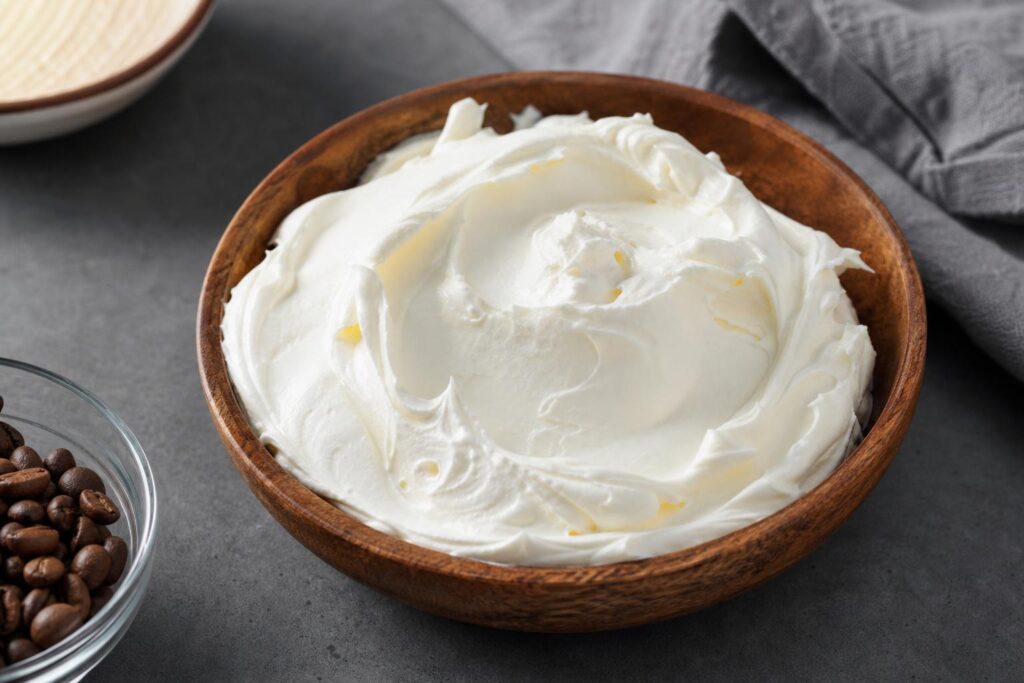
Mascarpone is the quiet star behind silky tiramisu, cloud-like frostings, and sauces that taste like a chef waved a magic wand over your dinner. If you’ve spotted a small tub in the dairy aisle and wondered what to do with it—or how it compares to cream cheese—you’re in the right place. This guide explains what mascarpone is, how it’s made, where to find it in Canada, what it costs, and how to use it in both sweet and savoury recipes. You’ll also learn how to make mascarpone at home (safely and consistently), how to store it, and what to do if a sauce splits or a frosting looks grainy. Think of this as your practical, Canadian-focused handbook to a famously luxurious cheese.
What Exactly Is Mascarpone?
Mascarpone is a fresh Italian cheese made from heavy cream that’s been gently heated and then set with a food acid (traditionally tartaric acid, though citric acid or lemon juice are also used). It’s not aged, and it isn’t cultured like yogurt or crème fraîche. That’s why the flavour is pure cream—clean, mildly sweet, and buttery—without the tang of sour cream or the firmness of cream cheese. Texturally, mascarpone is thick and spoonable, like very dense whipped cream that holds soft peaks.
The cheese originated in Lombardy, in northern Italy, with references dating back several centuries. The name likely traces to regional dialects—“mascherpa” or “mascarpia”—used for soft dairy curds. Today, you’ll find Italian imports alongside Canadian-made options, all aiming for that same lush, neutral profile that works as beautifully with espresso and cocoa as it does with mushrooms and thyme.
Because mascarpone is made from cream rather than milk, it’s high in butterfat—often in the 40–50% range by weight. That fat content gives it its signature richness and also explains why it melts into sauces without the grainy curds you might get from lower-fat fresh cheeses. If you think of it as the pastry chef’s equivalent of a high-quality finishing butter, you’ll understand why a tablespoon can transform a dish.
Mascarpone in Canada: Availability, Regulation, and What to Expect
In Canada, mascarpone is widely available in supermarkets and specialty grocers. Look in the refrigerated dairy case near ricotta, specialty soft cheeses, and cultured creams. Large chains—Loblaws, Real Canadian Superstore, Metro, Sobeys/Safeway, Save-On-Foods, IGA (Quebec), and Walmart—typically stock at least one brand year-round. Italian markets and independent cheese shops in cities like Toronto, Montreal, Vancouver, Calgary, Ottawa, and Halifax usually carry multiple options, from everyday tubs to premium imports.
You’ll commonly see Canadian brands (for example, Tre Stelle mascarpone) alongside imported names like Galbani. Many retailers also offer private-label options—think President’s Choice at Loblaws banners or Irresistibles at Metro. Selection varies by location; in dense urban centres and Italian neighbourhoods, you’ll often find both 250 g and larger 475–500 g tubs. Warehouse clubs and restaurant suppliers may carry 1–2 kg tubs for serious bakers, caterers, and cafés.
Regulation matters with fresh cheeses. In Canada, fresh dairy products sold at retail must be made from pasteurized milk or cream. The Canadian Food Inspection Agency (CFIA) enforces these rules and monitors labeling and food safety. That means retail mascarpone here is pasteurized and considered safe for the general population, including people who are pregnant, provided it’s handled properly. You can check labels for “pasteurized cream” to be sure, but if you’re buying from a mainstream grocer in Canada, that is the norm.
To support local dairy, look for the Dairy Farmers of Canada’s “Blue Cow” logo, which indicates the product is made with 100% Canadian milk or cream. Not all excellent mascarpone carries this mark—imported options obviously won’t—but if you want to keep your dollar close to home, it’s a quick signal.
How Much Does Mascarpone Cost in Canada?
Pricing fluctuates by brand, size, and region. As a general guide in 2026:
- 250 g tubs: typically $5.99–$8.99 CAD in major cities
- 450–500 g tubs: often $8.99–$12.99 CAD
- 1–2 kg foodservice tubs: unit cost decreases significantly, but availability may require a wholesaler
Expect to pay a premium in smaller communities and in the North, where shipping costs are higher. Sales around holidays (Thanksgiving, Christmas, Easter, Mother’s Day) are common because tiramisu and cheesecakes surge in popularity; that’s an excellent time to stock up if you’re planning desserts for a crowd. If you’re unsure how much to buy, a 475 g tub comfortably makes a 9×9-inch tiramisu or frosts a two-layer 8-inch cake when combined with whipped cream.
Mascarpone’s Taste, Texture, and Kitchen Behaviour
Mascarpone tastes like cream turned up to eleven—mild and buttery with a whisper of sweetness. Quality brands are clean and fresh, never sour or overly tangy. Texture sits between scoopable and spreadable. At fridge temperature it’s firm enough to hold shape; at room temperature it loosens and becomes satin-smooth.
In the kitchen, mascarpone behaves a bit like dense, stabilized cream. It:
- Whips nicely when combined with cold heavy cream, forming a luxurious, pipeable frosting.
- Melts quickly into hot sauces; off the heat it creates silkiness without breaking, provided the sauce isn’t too acidic or boiling.
- Blends easily into desserts without leaving granules, as long as it’s not overmixed when cold-hard.
Because it’s high in fat, it’s more delicate than it looks. Over-beating can push it toward a broken, grainy texture, the same way over-whipped cream turns to butter. The trick is to keep everything cold for whipping, room temperature for folding, and warm-but-not-hot for sauces. We’ll dig into troubleshooting later.
How Mascarpone Is Made (and How to Make It at Home)
Commercial mascarpone starts with heavy cream that’s pasteurized, standardized for fat content, and gently heated to around 85°C (185°F). A food-grade acid—often tartaric or citric—is added to lower the pH and coagulate milk proteins. The mixture rests, then drains in fine cloth or baskets to achieve that thick, spreadable texture. No rennet is used in the classic method, which is one reason mascarpone is typically considered vegetarian-friendly (check the label if this matters to you, but rennet is uncommon here).
At home, the process is surprisingly approachable. The biggest variables are the cream you start with and patience during draining. If you can locate pasteurized (not ultra-high temperature) 35% cream, you’ll get the most reliable curd. That said, many Canadians only find UHT whipping cream at certain stores; you can still make mascarpone with it, though the set may be slightly softer and require a longer drain. Microfiltered whipping cream (common under brands like Natrel) works very well.
Homemade Mascarpone: A Reliable Canadian Kitchen Method
Yield: about 300–350 g from 500 ml cream. Scale as needed.
Ingredients:
- 500 ml (2 cups) 35% whipping cream, pasteurized (microfiltered is fine)
- 1 tablespoon fresh lemon juice or 1/2 teaspoon citric acid dissolved in 1 tablespoon water
- Pinch of salt (optional, for savoury uses)
Equipment:
- Heavy-bottomed saucepan
- Instant-read thermometer
- Fine-mesh strainer lined with two layers of cheesecloth or a clean flour sack towel
- Bowl and fridge space
Method:
- Heat the cream: Pour cream into the saucepan and heat slowly over medium, stirring occasionally to prevent scorching. Bring to 85°C (185°F). Don’t boil hard; gentle steam is perfect.
- Add acid: Reduce heat to low. Drizzle in the lemon juice (or citric acid solution) while stirring gently for 60–90 seconds. The cream will thicken slightly and coat the spoon. You may not see dramatic curds; mascarpone sets subtly.
- Hold and cool: Keep the mixture at 80–85°C (176–185°F) for 5 minutes, then remove from heat and let it cool to about 40–45°C (104–113°F).
- Drain: Pour into the lined strainer set over a bowl. Cover and refrigerate 8–24 hours. At 8 hours you’ll have soft, spreadable mascarpone; by 18–24 hours it will be firmer, great for tiramisu.
- Season if desired: Fold in a small pinch of salt for savoury cooking. Store covered up to 4–5 days.
Notes:
- Cream matters: Non-UHT pasteurized cream sets most predictably. If using UHT cream, extend the drain time and consider using citric acid for consistency.
- Acid choice: Tartaric acid (if you keep it for baking) yields an exceptionally clean flavour and firm set. Use about 1/4 teaspoon, dissolved first.
- Texture tweaks: If your mascarpone is too soft for frosting, whisk briefly with cold 35% cream (about 1–2 tablespoons per 250 g) right before using.
Troubleshooting Homemade Mascarpone
If it hasn’t thickened after draining overnight, two factors are usually at play: not enough acid or cream that resists coagulation (often UHT). Return the mixture to a pot, reheat to 85°C, add another 1/4 teaspoon dissolved citric acid (or 1 teaspoon lemon juice), stir gently, cool, and drain again. If the result is grainy, you may have added the acid too quickly or overheated the cream—whisk in a teaspoon of warm cream to re-emulsify, or blitz very briefly with an immersion blender and use in a cooked application like pasta sauce.
How to Use Mascarpone: Sweet Ideas That Go Beyond Tiramisu
Tiramisu made mascarpone famous for a reason, but the cheese plays well with a long list of Canadian pantry staples—maple syrup, summer berries, dark chocolate, espresso, and winter citrus. If you keep a tub in the fridge, desserts get easier and more elegant overnight.
Classic (and Egg-Safe) Tiramisu
Traditional tiramisu uses a zabaglione—egg yolks whisked with sugar and Marsala wine—folded into mascarpone, then layered with espresso-soaked ladyfingers and dusted with cocoa. If you prefer to avoid raw eggs, you can pasteurize the yolks at home.
For a 9×9-inch dish:
- 500 g mascarpone, chilled but soft
- 4 large egg yolks
- 100 g (1/2 cup) granulated sugar
- 60 ml (1/4 cup) Marsala or dark rum (optional)
- 300 ml strong espresso or very strong coffee, cooled
- 24–30 Savoiardi (ladyfingers)
- 200–250 ml cold 35% cream
- Unsweetened cocoa powder, for dusting
Method:
- Pasteurize yolks: In a heatproof bowl over a barely simmering pot (bain-marie), whisk yolks with sugar and Marsala until thick, pale, and 71°C (160°F). Remove and cool to room temp.
- Beat mascarpone: Whisk the mascarpone just to loosen. Fold into the cooled zabaglione until smooth.
- Whip cream: Beat the cold cream to soft peaks. Fold into the mascarpone mixture in two additions.
- Assemble: Dip ladyfingers quickly in espresso (1–2 seconds per side) and lay in a snug layer. Spread half the cream. Repeat with a second layer.
- Chill: Cover and refrigerate at least 6 hours, preferably overnight. Dust with cocoa before serving.
Canadian tip: If you can’t find Savoiardi at your usual grocer, check Italian markets such as St. Lawrence Market (Toronto), Jean-Talon Market (Montreal), Bosa Foods (Vancouver), or Italian Centre Shop (Calgary/Edmonton). Many mainstream stores stock ladyfingers near the bakery during holidays.
No-Bake Mascarpone Cheesecake (With Maple Option)
If you love cheesecake but not water baths, this is your dessert. Mascarpone brings velvet; a bit of cream cheese adds structure.
Ingredients:
- 250 g digestive biscuits or graham crumbs
- 85 g unsalted butter, melted
- 400 g mascarpone
- 200 g cream cheese, room temperature
- 100–120 g icing sugar (to taste)
- 1 teaspoon vanilla extract
- zest of 1 lemon (optional)
- 2 tablespoons pure maple syrup (optional, or drizzle on top to finish)
Method:
- Base: Mix crumbs and butter, press into a 9-inch springform, and chill.
- Filling: Beat cream cheese until smooth. Add mascarpone, icing sugar, vanilla, and lemon zest. Mix just until combined—don’t overbeat.
- Set: Spoon into crust, smooth, and chill 6 hours. Serve with a maple syrup drizzle and fresh Ontario or BC berries when in season.
Maple Mascarpone Parfaits
Layer mascarpone sweetened with a spoon of maple syrup over Greek yogurt and top with toasted oats, blueberries from British Columbia, or Quebec strawberries in June. It’s a quick brunch upgrade that reads like dessert but eats like breakfast.
Mascarpone Frosting That Holds Its Shape
For a not-too-sweet finish on carrot cake or banana cake, mascarpone frosting is a keeper. Combine 250 g cold mascarpone, 250 ml cold heavy cream, 60–90 g icing sugar, and 1 teaspoon vanilla in a chilled bowl; beat until fluffy and spreadable. Icing sugar contains a touch of cornstarch, which helps stabilize the whip. If your kitchen is warm, set the bowl over an ice bath.
Savoury Dishes That Love Mascarpone
Think of mascarpone as a finishing ingredient for savoury cooking, the way you’d use butter or crème fraîche. It adds body to sauces without turning them overtly cheesy. Start small—a tablespoon or two—and build from there.
Creamy Mushroom and Mascarpone Pasta
Ingredients for 4:
- 350 g pasta (tagliatelle or rigatoni)
- 450 g mixed mushrooms, sliced (cremini, oyster, shiitake)
- 2 tablespoons olive oil + 1 tablespoon butter
- 2 cloves garlic, minced
- 100 ml dry white wine or stock
- 150 g mascarpone
- fresh thyme or parsley, chopped
- salt and pepper
Method:
- Sauté mushrooms in oil and butter until browned. Season with salt, add garlic for 30 seconds.
- Deglaze with wine or stock; reduce by half.
- Off heat, stir in mascarpone and a splash of pasta water to loosen. Toss with cooked pasta and herbs. Adjust seasoning.
Wine pairing: An Ontario Pinot Noir loves mushrooms. For a white, a BC Pinot Gris or Chardonnay fits nicely.
Mashed Potatoes with Mascarpone
For 1.5 kg Yukon Golds, mash with 75–100 g butter and 150–200 g mascarpone. Add hot milk to reach your ideal texture. Season well. The mascarpone makes them impossibly silky—holiday-worthy without being heavy.
Polenta or Risotto “Mantecato” with Mascarpone
Stir a heaping spoon of mascarpone into soft polenta or into risotto at the end of cooking, off the heat. It rounds the edges, just like a pat of butter, but with a plusher mouthfeel. Try a spring risotto with peas and lemon zest; finish with mascarpone and a handful of Parmesan.
Soups, Sauces, and Toasts
Whisk mascarpone into tomato soup to soften acidity, or into a pan sauce for chicken with pan juices and a squeeze of lemon. Spread it on toasted sourdough, top with smoked salmon, herbs, and a crack of pepper for a fast lunch. In late summer, grill peaches, spoon over mascarpone, and finish with honey and chopped pistachios. One ingredient, endless off-ramps.
Substitutes for Mascarpone (By Dish and Preference)
Sometimes you can’t find mascarpone or you’ve run out mid-recipe. Substitutions work best when you match the role mascarpone plays: richness, mildness, and a creamy texture.
Best Mascarpone Substitutes for Tiramisu
- Cream cheese + whipping cream: Beat 250 g cream cheese until smooth, then fold in 100–150 ml softly whipped cream. This reduces tang and fattens the texture. Add a teaspoon of vanilla to mellow.
- Crème fraîche: The texture is close, but it’s tangier. Works in a pinch if you like a slightly tarter tiramisu.
- Ricotta (strained and blended): Drain 400 g ricotta overnight, then blend with 75–100 ml cream until silky. It won’t be identical, but it’s light and pleasant.
Note: Greek yogurt is too tangy for classic tiramisu, but can make a great parfait.
Substitutes in Savoury Dishes
- Crème fraîche or sour cream: Add off the heat to prevent curdling. Crème fraîche is superior for sauces; it’s more stable and less tangy than sour cream.
- Full-fat ricotta blended with a splash of cream: Good in pasta fillings and baked dishes.
- Heavy cream reduced by half: Simulates richness in sauces, though without the slight thickness mascarpone provides.
Lactose-Free and Plant-Based Options
For lactose intolerance, some Canadians tolerate small amounts of mascarpone because it’s mostly butterfat and relatively low in lactose per tablespoon. If you need fully lactose-free, try making homemade mascarpone with lactose-free 35% cream (widely available under brands like Natrel). For a vegan option, blend 200 g soaked cashews with 100 ml coconut cream, 1 tablespoon lemon juice, a pinch of salt, and 1–2 tablespoons water until perfectly smooth; chill before using. It’s not mascarpone, but it fills a similar role in frostings and chilled desserts.
Storage, Shelf Life, and Food Safety (Canadian Conditions)
Mascarpone is a fresh cheese, so treat it with the same care you’d give fresh dairy. In Canada, the general food safety standard for refrigerated foods is 4°C (40°F) or colder; most home fridges should be set to 3–4°C. Keep mascarpone sealed and cold at all times.
Shelf Life
- Unopened: Follow the best-before date. Properly refrigerated tubs often keep several weeks past purchase.
- Opened: Use within 5–7 days for best quality. Always use a clean spoon to avoid contamination.
Signs to bin it: sour or yeasty odour, visible mould, a lid that bulges, or liquid separation that smells off. A thin layer of clear whey is normal; stir it back in if the cheese is fresh and smells fine.
Can You Freeze Mascarpone?
Yes—with caveats. Freezing may cause slight graininess as the emulsion breaks. Thawed mascarpone works well in cooked dishes (pasta sauces, soups) and baked cheesecakes. For tiramisu or frostings, use fresh if possible. If you must freeze, press plastic wrap against the surface, seal in an airtight container, and use within 1–2 months. Thaw overnight in the fridge and re-emulsify by whisking in a teaspoon of warm cream.
Nutrition and Health Considerations
Mascarpone is energy-dense. Typical nutrition per 100 g is around 430–460 kcal, 43–47 g fat, 3–5 g protein, and 2–4 g carbohydrates, though brands vary. Per 2 tablespoons (about 30 g), expect roughly 120–140 kcal and 12–14 g of fat. Sodium is naturally low compared to many cheeses. Always check your specific label for accurate numbers.
Because it’s high in fat and very low in carbs, mascarpone fits into low-carb and ketogenic diets, if that’s your approach. For everyday cooking, a little goes a long way; you can often shave calories by using half mascarpone and half Greek yogurt in parfaits or blending it with ricotta in fillings. For salt-sensitive eaters, mascarpone is friendlier than many aged cheeses, though the rest of the recipe may drive sodium higher.
Pregnancy: Pasteurized mascarpone, which is what you’ll find in Canadian retail, is considered safe when properly refrigerated and consumed before the best-before date. As always, follow your healthcare provider’s guidance and avoid any fresh cheese that isn’t clearly pasteurized.
Allergens: Mascarpone contains milk proteins and is not suitable for those with a milk allergy. It’s generally gluten-free by nature; still, read packaging if you require strict assurances about cross-contamination.
Mascarpone vs. Cream Cheese vs. Ricotta vs. Crème Fraîche
These products sometimes occupy the same shelf but behave very differently. A quick side-by-side helps when you’re swapping or planning recipes.
| Product | Base | Taste | Texture | Best Uses |
|---|---|---|---|---|
| Mascarpone | Cream + acid | Mild, buttery, slightly sweet | Thick, spoonable, silky | Tiramisu, frostings, sauces, fillings |
| Cream Cheese | Milk/cream + lactic culture | Tangy | Firm, sliceable when cold | Baked cheesecake, spreads, dips |
| Ricotta | Whey or milk curds | Milky, lightly sweet | Grainy, fluffy | Lasagna, fillings, pancakes |
| Crème Fraîche | Cream + culture | Mildly tangy, nutty | Thick but pourable | Finishing sauces, dollops, desserts |
For desserts where neutrality matters (e.g., tiramisu), mascarpone is the obvious winner. For baking that benefits from tang and structure (classic New York cheesecake), cream cheese comes out ahead. In savoury applications, crème fraîche is heat-stable and tangy; mascarpone is sweeter and softer. Ricotta is the lightest of the bunch but can be blended smooth if needed.
Pairings: Coffee, Wine, and Canadian Flavours
Mascarpone partners with espresso and chocolate with ridiculous ease. When you’re entertaining, think of it as a base for pairing—what flavours ride best on top?
- Maple syrup: Drizzle over mascarpone on pancakes or waffles; fold a tablespoon into whipped mascarpone for an autumnal frosting.
- Citrus: Lemon, blood orange, and grapefruit cut through richness. Lemon zest in mascarpone frosting brightens carrot cake.
- Berries: From BC blueberries to Quebec strawberries and Ontario raspberries, summer fruit loves a mascarpone dollop.
- Wine: Ontario Icewine pairs beautifully with mascarpone-based desserts. For tiramisu, try a nutty Vin Santo or a Canadian late harvest wine. Savoury dishes pair well with Pinot Grigio, Chardonnay, or light reds like Pinot Noir.
- Spirits: A spoon of dark rum or Amaretto in tiramisu cream adds warmth. For a Canadian note, swap in a splash of quality rye whisky and keep it restrained.
Entertaining with Mascarpone: Brunches, Holidays, and Crowd-Pleasers
For brunch, set out a bowl of lightly sweetened mascarpone next to pancakes or French toast; let guests add maple syrup and berries to taste. For an easy Canada Day dessert, layer store-bought angel food cake with strawberry-mascarpone cream and blueberries for a red-and-blue flag nod. At Thanksgiving, swirl mascarpone into pumpkin pie filling for a silkier custard, or serve a cranberry-orange compote over vanilla mascarpone for a not-too-sweet finish.
Cheeseboards get a lift from a small ramekin of mascarpone drizzled with honey and topped with chopped toasted nuts. Offer crostini and let people build their own bites. It bridges the gap between sweet and savoury, making it friendly with charcuterie, fruit, and olives alike.
Cost-Saving Tips: Smart Shopping and DIY Economics
Mascarpone feels fancy, but you don’t need a restaurant budget to keep it around.
- Watch flyers: Mascarpone often goes on sale at major grocers. Use price-match policies where available.
- Buy the right size: If you’re making tiramisu for eight, a 475 g tub is usually the sweet spot; bigger tubs cost less per gram but only if you’ll use them in a week.
- Consider DIY: Homemade mascarpone typically costs close to the cream price. If 500 ml 35% cream runs around $4.50–$6.50 CAD in your city, you’ll net 300–350 g mascarpone—comparable to retail, with fresher flavour. Savings improve when cream is on sale.
- Use leftovers: Fold a few spoonfuls into scrambled eggs, enrich a tomato soup, or sandwich it with jam between cookies. Small amounts disappear easily.
Sustainability and Waste Reduction
Mascarpone comes in plastic tubs, often polypropylene (#5). Many Canadian municipalities accept #5 plastics in blue bins, but programs differ. Check your city’s recycling guide (Toronto, Vancouver, Montreal, Calgary, etc.) and rinse tubs before recycling. Lids sometimes have different resin codes—verify before tossing.
Reduce food waste by planning recipes that use the rest of a tub within a week. Freeze what you can’t use and earmark it for cooked dishes. If you buy imported mascarpone occasionally, balance it by choosing Canadian dairy products elsewhere—look for the Blue Cow logo to support local producers.
Common Mistakes with Mascarpone (and How to Fix Them)
Over-beating: If you whip mascarpone vigorously on its own, it can seize and look grainy. Fix by whisking in 1–2 teaspoons of warm cream or gently folding in softly whipped cream. If it still looks broken, use it in a hot sauce where texture matters less.
Curdled sauce: If a sauce splits after adding mascarpone, the pan was probably too hot or too acidic. Take it off the heat and whisk in a splash of warm water or cream to bring it back together. Next time, temper the mascarpone by mixing it with some hot sauce in a separate bowl, then return it to the pan off the heat.
Too tangy substitutions: If you’ve swapped in sour cream or cream cheese and the result tastes sharper than you’d like, add a pinch of sugar or a drizzle of cream to round edges. In tiramisu, vanilla softens tang without making it sugary.
Watery tiramisu: Over-soaked ladyfingers release liquid into the cream. Dip them quickly—two seconds per side—and drain well. Chill the dessert overnight for the best set.
Where to Buy Mascarpone in Canada (and What to Look For)
Across Canada, start with the dairy aisle at:
- Loblaws, Real Canadian Superstore, No Frills (selection varies), Zehrs
- Metro and Food Basics
- Sobeys, Safeway (West), IGA (Quebec)
- Save-On-Foods, Thrifty Foods
- Walmart Supercentres
Specialty and independent shops often carry wider selections:
- Toronto: St. Lawrence Market vendors, Eataly, Cheese Boutique
- Montreal: Jean-Talon and Atwater Markets, La Fromagerie Atwater
- Vancouver: Bosa Foods, Les Amis du Fromage
- Calgary/Edmonton: Italian Centre Shop
- Ottawa: La Bottega Nicastro, Jacobsons
- Halifax: Pete’s Frootique, Ratinaud (selection varies)
What to look for:
- Short ingredient list: cream and an acid (citric/tartaric). Stabilizers like carrageenan aren’t necessarily bad, but purists often prefer minimal ingredients.
- Fresh date: Choose the farthest best-before date you can.
- Intact packaging: Avoid dented tubs or ones with bulging lids.
Practical Techniques: Working Clean, Cold, and Gentle
For frostings and whipped fillings, keep everything cold—bowl, beaters, mascarpone, and cream. Mix on medium speed just until the texture looks like softly billowing peaks; stop before it gets stiff. For folding into batters or custards, bring mascarpone to room temperature so it incorporates without lumps. In savoury cooking, pull the pan off the heat before adding mascarpone; let carryover heat do the melding.
If you see small lumps in a cold mixture, don’t panic. Let it warm slightly and stir gently with a spatula; abrupt, high-speed mixing can cause separation. If a frosting threatens to break, a spoon of cold cream and a few slow folds often rescue it.
Mascarpone for Meal Prep and Weeknight Cooking
You don’t need a special occasion to use mascarpone. A tub can anchor a week’s worth of small luxuries:
- Monday: Stir into tomato soup for a quick creamy version.
- Tuesday: Dollop on roasted vegetables (broccoli, carrots) with lemon zest and chili flakes.
- Wednesday: Finish mushroom pasta with two tablespoons for gloss and body.
- Thursday: Make a speedy dessert—mascarpone, maple syrup, crushed amaretti or graham crumbs, and berries.
- Friday: Swirl into scrambled eggs at the end for a soft, custardy texture.
Small amounts—one or two tablespoons—can have a big impact, especially in sauces and eggs. If you’re watching calories, measure rather than eyeballing; rich ingredients drift upward in portion size when you’re not looking.
A Note on Food Safety, Recalls, and Canadian Best Practices
The CFIA maintains a public recall database you can search if you’re ever unsure about a product. Serious issues with mascarpone are rare, but if you hear of any recall in the news, check the lot numbers on your tub. In restaurants and cafés across Canada, mascarpone falls under standard HACCP-style controls: kept below 4°C, opened and dated, and used within a week. At home, follow the same logic—label the lid with the open date and aim to finish it within five to seven days.
Advanced Desserts and Ideas for the Curious Cook
Once you’ve made tiramisu a few times, try:
- Lemon-mascarpone tart: Whip mascarpone with lemon curd and pile into a prebaked sweet tart shell. Top with berries.
- Mascarpone ice cream: Replace part of the cream in your base with mascarpone for a cheesecake-adjacent flavour. Excellent with roasted strawberries.
- Swirled brownies: Drop spoonfuls of sweetened mascarpone on brownie batter and marble with a knife before baking.
- Mascarpone panna cotta: Heat cream, sugar, and vanilla; bloom and dissolve gelatin; whisk in mascarpone off heat for a richer set.
Regional Twists Across Canada
Food traditions travel well, and mascarpone adapts easily to local ingredients. In Quebec, a maple-mascarpone tart belongs at a cabane à sucre brunch. In the Okanagan, grilled peaches with mascarpone and honey showcase summer fruit. On the East Coast, pair it with blueberries and a lemon zest finish—simple and exact. Prairie cooks might swirl a little into bison meatball pan sauce for a glossy finish without going full cream sauce. The cheese doesn’t ask for attention; it makes other ingredients look good.
Mascarpone Myths, Debunked
“Mascarpone is just Italian cream cheese.” Not quite. Cream cheese is cultured and tangy, mascarpone is uncultured and mild. They swap in some recipes but won’t taste or behave the same.
“You can’t heat mascarpone.” You can, carefully. Avoid boiling, temper into sauces, and keep acids moderate, and you’ll be fine.
“It’s unhealthy.” It’s rich, yes. But small amounts deliver major pleasure. Used judiciously, it can be part of a balanced approach to cooking and eating.
FAQ
What is mascarpone, in simple terms?
It’s a fresh Italian cheese made from heavy cream that’s thickened with an acid. Think of it as a super-luxurious, mildly sweet, spreadable cream with no tang.
Is mascarpone pasteurized in Canada?
Yes. Fresh cheeses sold at retail in Canada, including mascarpone, are made from pasteurized milk or cream under CFIA oversight. Check the label if you need confirmation.
Is mascarpone safe during pregnancy?
Pasteurized mascarpone is considered safe when kept refrigerated and consumed by the best-before date. If unsure, consult your healthcare provider and confirm the label states “pasteurized.”
Mascarpone vs cream cheese: which should I use?
Use mascarpone for tiramisu, whipped frostings that aren’t too tangy, and saucy pasta finishes. Use cream cheese for baked cheesecakes, sturdy frostings, and when you want a noticeable tang.
What are good mascarpone brands in Canada?
Selection varies by store and city, but you’ll commonly find Canadian-made options such as Tre Stelle and imported mascarpone like Galbani. Many grocers also carry private-label tubs (e.g., President’s Choice at Loblaws banners). Choose what fits your taste and budget; the ingredient list should be short.
Where can I buy mascarpone if my supermarket doesn’t have it?
Check Italian delis and markets (St. Lawrence Market in Toronto, Jean-Talon in Montreal, Bosa Foods in Vancouver), specialty cheese shops, or order through grocery delivery apps serving your area.
How long does mascarpone last after opening?
Plan to use it within 5–7 days. Keep it sealed and refrigerated, and always use a clean spoon to avoid contamination.
Can you freeze mascarpone?
Yes, but the texture may turn slightly grainy after thawing. It’s best for cooked dishes or baked applications rather than for tiramisu or whipped frostings.
Why did my mascarpone frosting turn grainy?
It was likely over-beaten or too warm. Next time, chill the bowl and ingredients, beat just to soft peaks, and stop. To rescue it, fold in a teaspoon or two of cold cream gently, or use the mixture as a dessert layer where small graininess won’t show.
Can I make mascarpone at home in Canada with store cream?
Yes. Use pasteurized 35% cream, heat to 85°C, add lemon juice or citric acid, and drain overnight. UHT cream can work but may need longer draining.
Is mascarpone gluten-free?
By nature, yes. Still, check labels for any cross-contamination statements if you need strict gluten avoidance.
Does mascarpone contain rennet?
Traditional mascarpone is made with acid, not rennet. Most brands are vegetarian-friendly, but verify the label if it’s important to you.
What’s a good mascarpone substitute for tiramisu?
Blend cream cheese with softly whipped cream to reduce tang and mimic mascarpone’s richness. It’s the most reliable swap in Canada when availability is limited.
How much does mascarpone cost in Canada?
Generally $5.99–$8.99 for 250 g and $8.99–$12.99 for 450–500 g, depending on brand and location. Sales are common around holidays.
How do I keep mascarpone from curdling in sauces?
Take the pan off the heat, stir in the mascarpone gently, and avoid lots of acid. If the sauce is very hot, temper the mascarpone first by mixing it with a spoonful of the hot sauce, then add it back to the pan.
Is mascarpone low-lactose?
It’s lower in lactose than milk because it’s mostly fat, but not lactose-free. Many people with lactose intolerance tolerate small amounts. If you need lactose-free, try making mascarpone with lactose-free cream.
What desserts can I make besides tiramisu?
No-bake cheesecakes, mascarpone whipped cream for cakes, parfaits with maple and berries, swirled brownies, lemon-mascarpone tarts, and mascarpone ice cream are all excellent.
Can I use mascarpone in risotto?
Yes. Stir in a spoonful off the heat at the end for extra creaminess, much like finishing with butter.
How should I recycle mascarpone tubs in Canada?
Most tubs are #5 plastic (polypropylene). Many municipalities accept #5, but rules vary. Rinse and check your local recycling guidelines.
Does mascarpone work for keto or low-carb diets?
It’s high in fat and very low in carbs, so it can fit. Be mindful of portion size—it’s calorie-dense.
Can I use half-and-half to make mascarpone?
No. Half-and-half doesn’t have enough fat to set properly. Use 35% whipping cream for consistent results.
Is there a difference between Italian and Canadian mascarpone?
Flavour and texture can vary by brand. Some Italian imports are slightly looser or sweeter; some Canadian tubs are a bit firmer. Ingredient lists and freshness often matter more than origin.
What’s the best way to sweeten mascarpone?
Use icing sugar for frostings (it helps stabilize) and maple syrup or honey for spoonable desserts. Add gradually and taste as you go.