
Greek Yogurt in Canada: Nutrition, Smart Shopping, and Real-World Ways to Use It
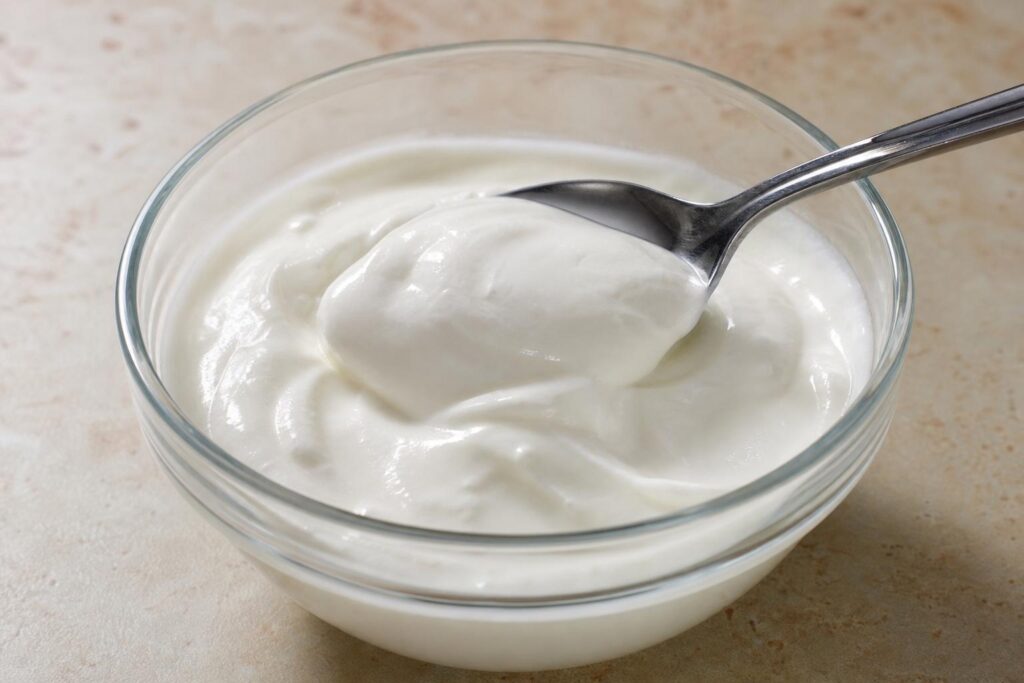
Greek yogurt has moved from niche import to Canadian fridge staple in under a decade. It’s in office fridges from Vancouver to St. John’s, stacked in 750 g tubs at Costco, and stirred into everything from smoothies to marinades. Why the devotion? It’s thick, tangy, and naturally high in protein—easy to love and easy to use. This guide cuts through the noise: what Greek yogurt actually is, how to read Canadian labels, when to choose 0% vs 2% vs full-fat, the best ways to cook with it, and how to make a stellar batch at home that rivals your favourite brand.
Whether you’re here for health, convenience, or flavour, you’ll find practical tips grounded in Canadian realities—brand examples you’ll see on local shelves, price ranges that make sense, and notes on our regulations so you can shop with confidence. Let’s get into it.
What Greek Yogurt Really Is (and What It Isn’t)
At its core, Greek yogurt is strained yogurt. Start with regular yogurt, strain away some of the liquid whey, and you get a thicker, creamier product with more protein per spoonful and less lactose and water. In Greece, this style is known as “yiaourti straggisto.” Versions exist across the Eastern Mediterranean and the Middle East—labneh, for example, is essentially extra-strained yogurt that slices like a soft cheese.
That’s the simple story. The modern grocery shelf, however, adds a few wrinkles. Not every product stamped “Greek” on the front gets its body through straining alone. Some use milk proteins or starches to mimic the texture. Both can be tasty. But if you care about how your yogurt is made—or you’re watching ingredients for dietary or ethical reasons—it’s worth knowing how to tell the difference.
Strained vs. Thickened: How Texture Happens
There are two main routes to the signature thickness:
- Traditional straining: yogurt is filtered through cloth or high-tech membranes to remove whey. This concentrates protein and reduces lactose naturally.
- Formulated thickening: manufacturers add milk solids (like milk protein concentrate) or thickeners (like pectin, tapioca starch, or gelatin) to build body without as much straining.
Neither method is inherently “bad,” but they create different products. Strained Greek yogurt tends to have a clean, concentrated dairy flavour and a naturally dense body. Thickeners can create a custardy or bouncy texture and may help keep costs down because you lose less yield than with heavy straining. If you want the shortest ingredient list—milk, cream, and bacterial cultures—go strained. If you prefer a silkier spoonfeel or lower price, a thickened “Greek-style” may be your match.
Greek Yogurt vs. “Greek-Style” in Canada
Canada regulates what can legally be called yogurt. Under Canadian Food and Drug Regulations, yogurt must be made with specific starter cultures (Lactobacillus delbrueckii subsp. bulgaricus and Streptococcus thermophilus). But “Greek” is not a protected term here, and there’s no single legal definition of “Greek yogurt.” That’s why you’ll spot both “Greek” and “Greek-style” tubs side by side. Some are heavily strained; others lean on thickeners; some combine both.
How to spot the difference at a glance:
- Ingredients list: “Milk, cream, active bacterial cultures” suggests a strained product. Additions like “milk protein concentrate, pectin, gelatin, modified corn starch” signal thickened or hybrid styles.
- Protein per 175 g (3/4 cup): Strained Greek yogurts often land around 17–20 g protein in plain 0–2% MF versions. If you’re seeing single digits, it’s likely not heavily strained.
- “Heat-treated after culturing”: If you see this, the product was pasteurized after fermentation, which kills the live cultures. That’s fine for some uses, but it won’t provide live bacterial cultures.
Good news: most large Canadian brands label clearly. Read the fine print once, and you’ll know exactly what you’re buying next time.
Greek vs. Balkan, Skyr, and Labneh
Canadian dairy cases carry more than one “thick” yogurt, and the names can blur together. Here’s how they differ:
- Greek yogurt: strained to remove whey; thick, spoonable, and higher in protein per serving. Tang ranges from gentle to bright depending on culture and fermentation time.
- Balkan-style yogurt: set and fermented in the container rather than being stirred; typically unstrained. Texture is firm and custardy, but protein is similar to regular yogurt.
- Skyr: Icelandic tradition, often marketed as yogurt in Canada though historically closer to a fresh cheese. Very thick and high in protein; sometimes even denser than Greek yogurt. Taste is mild and less tangy.
- Labneh: yogurt strained longer to a spreadable consistency. You’ll find it in Middle Eastern shops and some Canadian grocers. It’s a dip, a spread, and an easy appetizer drizzled with olive oil and za’atar.
You don’t need to pledge loyalty to one. For baking, Balkan yogurt behaves beautifully. For smoothies and high-protein breakfasts, Greek or skyr shine. For dips, labneh is lush. Choose the texture and taste that fit the job.
Nutrition: What You Actually Get from Greek Yogurt
Plain Greek yogurt packs impressive nutrition into a small volume. Straining concentrates the milk solids, so you’re getting more protein and minerals per spoonful than regular yogurt. The exact numbers vary by brand, fat level, and how aggressively it’s strained, but here’s what to expect for plain, unsweetened types.
Macronutrients and Protein Quality
Protein is Greek yogurt’s calling card. A typical 175 g (3/4 cup) serving of plain 0% MF Greek yogurt lands in the 17–20 g protein range—almost as much as three large eggs. Even 2% and 5% MF plain Greek yogurts are strong sources, often 15–18 g per serving. This protein is complete, meaning it provides all essential amino acids. It’s also slow-digesting, thanks to casein, making it helpful for sustained satiety and muscle repair.
Carbohydrates are lower than in regular yogurt because some lactose (milk sugar) leaves with the whey. Plain Greek yogurt usually ranges from 5–9 g carbs per 175 g serving. Flavoured versions can jump to 15–25 g sugars per serving, depending on how they’re sweetened. If you’re watching sugars for diabetes management, the plain tub gives you control—add fruit or a trickle of maple syrup and you’ll still keep sugars in check.
Fat content depends on milk fat (MF). In Canada, you’ll commonly see 0%, 1–2%, and 5–10% MF Greek yogurt. Higher MF means creamier texture and more calories per serving. There’s room for all three in a balanced diet. Choose based on how you’re using it and what keeps you satisfied. For cooking, a bit of fat helps prevent curdling.
Vitamins, Minerals, and Live Cultures
Greek yogurt is a reliable source of calcium and often provides meaningful amounts of vitamin B12, riboflavin, phosphorus, and potassium. Plain versions typically deliver roughly 15–25% of daily calcium per 175 g, though labels vary. As for probiotics, remember that in Canada, “yogurt” must be cultured with L. bulgaricus and S. thermophilus. Many manufacturers add additional strains like Lactobacillus acidophilus or Bifidobacterium species, but they don’t have to list them unless they’re making a specific claim.
Health Canada has guidance on probiotic claims. Companies can’t just say “probiotic = better health” in broad strokes. If a product makes a probiotic claim, it must specify the strain(s) and have evidence for the benefit at the level present through shelf life. If that matters to you, look for the specific strain names on the label and wording that mentions viable counts through the best-before date. If the label says “heat-treated after culturing,” it will not contain live cultures regardless of the strains listed.
Typical Nutrition Snapshot
| Nutrient (approximate) | Plain 0% MF Greek (175 g) | Plain 2% MF Greek (175 g) | Plain 5% MF Greek (175 g) |
|---|---|---|---|
| Calories | 100–130 | 140–180 | 190–230 |
| Protein | 17–20 g | 15–18 g | 14–17 g |
| Total fat | 0 g | 3–4 g | 8–10 g |
| Carbohydrates (total sugars) | 5–9 g | 5–9 g | 5–9 g |
| Calcium | 15–25% DV | 15–25% DV | 15–25% DV |
| Sodium | 50–90 mg | 50–100 mg | 50–110 mg |
These are broad ranges drawn from major Canadian brands. Always check your tub’s Nutrition Facts table for exact numbers.
Who Benefits Most—and What to Watch For
For athletes, Greek yogurt’s high-quality protein supports muscle repair, especially paired with carbs after training. Spoon it over a toasted whole-grain bagel or blend into a smoothie with a banana and cocoa. For weight management, the protein and creamy texture increase fullness—often more satisfying than the same calories in a thin snack.
If you’re lactose sensitive, Greek yogurt may be easier to tolerate than regular yogurt because straining lowers lactose. “May” is key—tolerance is individual. Start with a few spoonfuls of plain Greek yogurt and see how you feel, or try lactose-free Greek yogurts now on Canadian shelves.
The main pitfall? Sugar in flavoured cups. Many single-serve “dessert-style” options are pushing into the territory of sweet puddings. If you love flavoured, aim for versions under 8–10 g sugars per 100 g, or buy plain and flavour it yourself with berries, cinnamon, and a drizzle of maple syrup.
Greek Yogurt Across Popular Diet Patterns
- Mediterranean-style: A natural fit—use plain Greek yogurt for tzatziki, dressings, and bowls topped with olive oil, tomatoes, cucumbers, and herbs.
- Low-FODMAP/IBS management: Because it’s lower in lactose than regular yogurt, plain Greek yogurt is commonly tolerated in moderate portions. Individual tolerance varies; work with your clinician and check serving sizes that suit you.
- Keto or lower-carb: Choose 5–10% MF plain Greek yogurt and watch portions. Toppings like nuts, seeds, and berries keep carbs in check.
- Diabetes-friendly: Plain Greek yogurt gives you protein without big sugar spikes. Keep an eye on total sugars if you choose flavoured.
- Vegetarian: Most plain Greek yogurts are vegetarian, but watch for gelatin. Look for products thickened with pectin or starch if you avoid animal-derived gelatin.
Buying Greek Yogurt in Canada: Labels, Brands, and Good Value
Grocery aisles from Atlantic Superstore to Save-On-Foods carry a crowd of “Greek” tubs. You don’t need a spreadsheet to choose well—just a few label habits.
How to Read Canadian Yogurt Labels Like a Pro
- Milk fat (MF) percentage: This is the dairy fat by weight. It’s not the same as percent of calories from fat. 0%, 2%, and 5% are common for Greek yogurt. Higher MF gives richer texture and better performance in hot dishes.
- Ingredients list: For “authentic” strained styles, look for milk, cream (if not non-fat), and bacterial cultures. If you prefer vegetarian-friendly, scan for pectin versus gelatin. If you prefer fewer additives, avoid long thickeners lists.
- Protein line on the Nutrition Facts: For plain 0–2% Greek, 17–20 g per 175 g serving is typical of strained products. Much lower probably means Greek-style.
- “Contains live active cultures” vs. “heat-treated after culturing”: The latter means no live cultures remain. If you’re buying for probiotics, choose live cultures and check for specific strain listings when claims are made.
- Sugars per serving: Flavoured versions vary wildly. If you want something closer to “snack, not dessert,” aim under 10–12 g sugars per 175 g if possible.
- Logos and certifications: The Dairy Farmers of Canada “Blue Cow” logo indicates 100% Canadian milk. Look for organic certification (Canada Organic logo) if that’s your priority. Kosher and halal certifications are also common on national brands.
Popular Greek Yogurt Brands You’ll Actually Find Here
You’ll spot these names from coast to coast, with regional stars tucked in:
- Liberté (Québec-born): Strong lineup of plain Greek in multiple MF levels and flavours; also organic options. Widely available in Loblaws, Metro, and independents.
- Oikos (Danone): Well-known for plain 0% and flavoured cups; lactose-free options exist in Canada. You’ll find Oikos in most major chains.
- Astro Athentikos (Lactalis/Parmalat): Classic Greek line including plain tubs and flavoured. Often sharp pricing during promos.
- Skotidakis (Ontario): Greek-focused producer; plain, flavoured, and often a lactose-free Greek yogurt option. Look in Costco and many grocers.
- Kirkland Signature (Costco): Large tubs of plain 0% Greek, typically co-packed in Canada. Good protein per dollar; check the ingredient list for simplicity.
- President’s Choice (Loblaws banners): PC Greek Yogurt in multiple MF levels; frequent sales and a good value-to-quality ratio.
- Olympic (BC-based): Organic and regional lines. Look for their Greek-style and higher-fat offerings in Western Canada and beyond.
- Riviera (Québec): Glass-jar yogurts and Greek-style options with premium positioning; check ingredient lists for style.
Availability and formulations change, and flavours rotate. Check the label each time you buy a new product, and don’t be shy about switching brands based on sales—quality is strong across many Canadian-made options.
What Should Greek Yogurt Cost in Canada?
Prices move with dairy input costs and promotions, and they vary by province. As a ballpark for large markets in 2026, a 650–750 g tub of plain Greek yogurt from major brands typically ranges from roughly $5 to $8 on regular price, with frequent promos a dollar or two lower. Single-serve flavoured cups often land between $1.25 and $2.25 each depending on size and retailer. Warehouse clubs tend to offer the best unit prices on plain, unsweetened styles.
Your value strategy: buy plain tubs for everyday use, and keep a couple of flavoured singles for travel or office snacks. That way you’re not paying for sugar in bulk, and you’ll always have a high-protein base at home.
Organic, Grass-Fed, Halal, Kosher, and Vegetarian Concerns
If you prefer organic, look for the Canada Organic logo. It indicates compliance with the Canadian Organic Regime, which sets standards for feed, animal welfare, and production practices. Grass-fed yogurts are rarer here than in some other countries, but you’ll occasionally find products calling out pasture-based milk; read the fine print to understand what percentage of the diet is from pasture.
For halal or kosher, many national brands carry certifications on specific product lines. For vegetarian shoppers who avoid gelatin, scan the ingredient list—choose pectin- or starch-thickened products or classic strained yogurts with no gelling agents.
Canadian Dairy Context: What Affects Your Tub
Canada runs a supply-managed dairy system. The Canadian Dairy Commission helps set support prices for raw milk, and provincial marketing boards regulate farm quotas. This stabilizes supply and farmer income but also means retail dairy prices are less volatile than in non-supply-managed markets and aren’t typically dirt-cheap. Tariffs limit most dairy imports, so the yogurt you buy is almost always made in Canada with Canadian milk. If you want to support local dairy, look for the Blue Cow logo or province-of-origin notes on the tub.
Storage, Safety, and Handling
Yogurt looks carefree in its plastic tub, but it’s a cultured food that deserves a little respect. Handle it right and it will reward you with peak flavour and safety.
Pasteurization and Canadian Law
Under Canadian regulations, yogurt sold at retail is made from pasteurized milk. Selling raw (unpasteurized) milk to consumers is illegal in Canada. While unpasteurized, farm-direct yogurts may exist in some countries, they are not found in regular Canadian retail channels. For home yogurt-making, always start with pasteurized milk for safety unless you are very experienced and understand the risks.
Fridge Temperatures, Shelf Life, and Freezing
- Keep yogurt cold: 2–4°C is ideal. A back shelf in the fridge is better than the door, which warms with each opening.
- Unopened: It typically keeps until the best-before date if continuously refrigerated. A few days past that date may still be fine if it smells and looks normal—use judgment.
- After opening: Aim to finish within 5–7 days for best taste and texture. Use a clean spoon every time to prevent contamination.
- Freezing: You can freeze Greek yogurt for smoothies or cooking. Texture will become grainy once thawed, so it’s best for baking or blended recipes, not for eating straight off the spoon.
If you see a layer of liquid on top, that’s whey separation. It’s normal. Stir it back in for more calcium and nutrients, or pour it off if you prefer a thicker scoop.
Food Safety for Kids, Pregnancy, and Immunocompromised
Because Greek yogurt in Canada is made with pasteurized milk, it’s generally safe for pregnant people and children, barring dairy allergy. Plain versions without honey are suitable for toddlers. For infants under one year, avoid honey-flavoured yogurts (honey should not be given to babies under 12 months). As always, if you are immunocompromised, stick to pasteurized products and observe best-before dates closely.
How to Use Greek Yogurt Every Day (and Actually Enjoy It)
Greek yogurt stands in for at least four different ingredients in the kitchen: sour cream, mayo, cream cheese, and even part of the butter in baking. It stretches budget and calories, and it rarely complains. Here are easy, Canadian-pantry-friendly ways to put it to work.
Breakfast and Snack Ideas That Aren’t Boring
- Maple-berry bowl: Plain Greek yogurt, a handful of frozen wild blueberries (Nova Scotia says hi), toasted oats, and a teaspoon of dark maple syrup. The warm-cold contrast is glorious if you zap the berries first.
- Smoked salmon toast: Swirl lemon zest and dill into 5% MF Greek yogurt, spread on toasted rye, and top with smoked salmon and capers. Winnipeg bagel spirit, lighter twist.
- Apple pie cottage bowl: Half Greek yogurt, half cottage cheese, diced Honeycrisp, cinnamon, and chopped pecans. Sweet crunch, big protein.
- PB-cocoa smoothie: 3/4 cup Greek yogurt, 1 tbsp natural peanut butter, 1 tbsp cocoa powder, a frozen banana, ice, and milk to blend. Add a shot of espresso for a mocha vibe.
- Trail-mix dip: Stir honey and vanilla into Greek yogurt and use as a dip for sliced pears and a side of roasted almonds. Great for kids’ lunchboxes in a chilled container.
Savoury Workhorses: Dressings, Dips, and Marinades
Greek yogurt does what mayo does, with tang and protein to boot. It also tenderizes meat in marinades thanks to lactic acid.
5-Minute Tzatziki (Canadian Fridge Edition)
- 1 cup plain Greek yogurt (2% or 5% MF for creaminess)
- 1/2 English cucumber, grated and squeezed dry
- 1 small garlic clove, finely grated
- 1–2 tbsp olive oil
- 1 tbsp lemon juice
- 1 tbsp chopped dill (fresh if possible)
- Pinch of salt and black pepper
- Mix all ingredients. Taste and adjust salt and lemon.
- Chill 15 minutes to meld. Serve with grilled chicken, pita, or roasted vegetables.
Lemony Yogurt Marinade for Chicken or Tofu
- 1 cup plain Greek yogurt
- 2 tbsp olive oil or Canadian canola oil
- Zest and juice of 1 lemon
- 2 garlic cloves, grated
- 1 tsp dried oregano
- 1/2 tsp salt, 1/4 tsp pepper
- Whisk and coat 1–1.5 lb (450–680 g) chicken thighs or firm tofu.
- Marinate 2–8 hours in the fridge. Scrape off excess before grilling or roasting.
Everyday Ranch-ish Dressing
- 1/2 cup Greek yogurt
- 2 tbsp mayo (for roundness)
- 2 tbsp milk (to thin)
- 1 tsp dried dill, 1/2 tsp onion powder, 1/2 tsp garlic powder
- Salt and pepper
- Whisk, thin to taste, and pour over greens or use as a dip for carrots and cucumbers.
Baking and Desserts: When to Swap, When Not To
Greek yogurt brings moisture and a gentle tang to cakes and muffins and stands in for sour cream in dips and baked potatoes. It can even replace a portion of butter or oil in some recipes.
- Sour cream swap: 1:1 in dips, quick breads, pancakes, and baked potatoes. Choose 2–5% MF for best results.
- Buttermilk hack: Thin Greek yogurt with milk (about 3 parts yogurt to 1 part milk) and use in pancakes or biscuits.
- Butter/oil reduction: Replace up to half the butter or oil in muffins and quick breads with Greek yogurt. Texture becomes tender and pleasantly moist.
- No-bake cheesecake light: Blend 1.5 cups Greek yogurt with 250 g light cream cheese, 1/3 cup sugar or maple syrup, vanilla, and 1–2 tsp gelatin (bloomed). Pour into a graham crust and chill 4+ hours.
A note on heat: High-protein Greek yogurt can curdle if boiled. For soups and curries, temper it—stir a little hot liquid into the yogurt first, off the heat, then add back and warm gently.
Batch-Prep Ideas for Busy Weeks
- Yogurt pots: Portion Greek yogurt into jars with oats, chia, and frozen berries. They thaw overnight and save you on rushed mornings.
- Herbed yogurt sauce: Mix yogurt with mint, cilantro, lemon, and olive oil. Keep for 3–4 days. Spoon on grilled salmon, roasted potatoes, or grain bowls.
- Yogurt flatbread: Mix 1 cup self-rising flour with 1 cup Greek yogurt, knead briefly, divide and pan-cook. Quick naan-style breads for curries or wraps.
Make Greek Yogurt at Home (It’s Easier Than You Think)
Homemade Greek yogurt tastes ridiculously fresh and costs less per serving, especially if you go through a lot. You control the thickness, tang, and ingredients. The key is cleanliness and temperature control.
What You Need
- Milk: Any pasteurized cow’s milk works—1%, 2%, or whole. Higher fat yields creamier yogurt. Ultra-filtered milk makes an extra-thick result. Avoid UHT if you can; it can set, but texture may be different.
- Starter: 2–3 tbsp plain yogurt with live active cultures per litre of milk, or a powdered yogurt starter. Use a brand you like to eat.
- Equipment: Heavy pot, thermometer, whisk, clean jars or a container, and a warm spot (oven with light on, proofing box, or an Instant Pot on “Yogurt” mode). For straining: fine-mesh strainer, cheesecloth, or a dedicated yogurt strainer.
Stovetop Yogurt in Four Steps
- Heat: Warm milk to about 82°C (180°F), stirring to prevent scorching. This denatures proteins and helps a thick set.
- Cool: Let it drop to 43–45°C (110–113°F). Too hot will kill your starter.
- Inoculate: Whisk in starter (2–3 tbsp per litre). Transfer to a clean container and cover.
- Incubate: Keep warm at ~43°C for 6–10 hours. Longer makes tangier yogurt. Don’t jostle. When set, chill several hours to firm up.
Instant Pot Greek Yogurt
- Use the “Boil” function to heat milk, cool to 43–45°C, whisk in starter, and set to “Yogurt” for 6–10 hours.
- Chill to finish setting, then strain if you want Greek-style thickness.
For “cold start” (no-boil) methods, only use ultra-pasteurized or ultra-filtered milk per your device’s manual for food safety, and remember the texture can differ. The safer route is the classic heat-then-cool method.
Turn It into Greek Yogurt: Straining
- Line a strainer with cheesecloth, a clean tea towel, or coffee filters. Set over a bowl.
- Pour in cooled yogurt and refrigerate to strain 2–12 hours, depending on desired thickness. Stir occasionally for even draining.
- Weigh or measure yield; you’ll lose liquid (acid whey). Expect about 40–60% of the starting volume in Greek yogurt depending on how thick you go.
What about the whey you strained off? That’s acid whey—tart and thin. Use it in smoothies, pancake batter, bread dough, or to soak oats. If you compost, small amounts can go in; otherwise, pour it down the sink with plenty of water. Don’t dump litres into small backyard gardens; it’s acidic and can overwhelm soil in large quantities.
Troubleshooting Homemade Batches
- Runny yogurt: Either incubated too cool or too short, or your starter was weak. Try a longer incubation or a fresh starter.
- Grainy texture: Overheating or whisking vigorously after fermentation can cause curds to break. Heat gently and avoid mixing once set.
- Overly tart: Incubated too long. Stop at 6–8 hours next time. Straining concentrates tang; balance by stirring in a splash of milk before straining if needed.
- Stringy or slimy: Can indicate contamination or unsuitable starter. Sanitize equipment and use a known-good starter.
Safety note: Work with clean, well-rinsed tools. If your yogurt smells off (not just tangy) or has visible mold, discard it. When in doubt, toss and start fresh; milk is cheaper than a stomach ache.
The Bigger Picture: Sustainability and Packaging
Strained yogurt generates acid whey, a by-product that can’t simply be dumped in large quantities without environmental planning. Canadian processors manage it through animal feed, anaerobic digestion, or other uses, but it’s an operational challenge. At home scale, your volume is small and easy to cook with or dilute down the drain.
Packaging is another piece. Most Greek yogurt comes in #5 polypropylene tubs, which are widely accepted in many municipal blue bin programs across Canada, but acceptance varies. In Toronto, for example, clean plastic tubs and lids are recyclable; in some smaller municipalities, only certain sizes are accepted. Check your local waste authority’s list. If you shop often, consider buying larger tubs to reduce packaging per serving.
Finally, buying products made with Canadian milk supports local dairy farms under our supply-managed system. Many Greek yogurts on Canadian shelves are Canadian-made; look for the Blue Cow logo or the “Made in Canada” statement on-pack.
Smart Comparisons: Greek Yogurt vs. Regular Yogurt vs. Skyr
A quick side-by-side helps when you’re choosing for a recipe or for your macros:
- Protein density: Greek and skyr lead, often 15–20 g per 175 g. Regular yogurt usually sits around 8–12 g for plain. If you’re tracking protein, Greek or skyr are efficient.
- Lactose: Lower in strained products (Greek, skyr), though not lactose-free unless labelled as such.
- Texture: Greek is thick and spoonable; skyr is very dense and sometimes chalky if low fat; regular is creamy but looser. Balkan is firm-set and custardy.
- Cooking: For hot dishes, 2–5% MF Greek or Balkan holds up best. For dips, Greek and labneh shine.
No single winner—pick for the job you need done.
Canadian Use Cases: From Student Budgets to Family Meals
University student in Halifax trying to eat well on $50 a week? Buy a large tub of plain 0% Greek yogurt, oats, eggs, lentils, and frozen veg. Use the yogurt for breakfast bowls, creamy pasta sauce (Greek yogurt + parmesan + pasta water), and as a topping for lentil chili.
Family of four in Calgary juggling hockey nights? Keep 2% plain Greek yogurt in the fridge. Stir it into a tuna salad to replace half the mayo, fold into mashed potatoes instead of sour cream, and blend into quick smoothies to stop the “What’s for snack?” chorus.
Weekend cook in Montréal aiming for restaurant-quality dips? Strain Greek yogurt further into labneh, dimple it with olive oil, shower with za’atar, and serve with warm baguette. Add a side of roasted beets dressed with lemony yogurt sauce. Café-level, home price.
Special Topics: Lactose-Free, Plant-Based, and Cultural Notes
Lactose-free Greek yogurts are now easy to find in Canada. Brands like Oikos and Skotidakis have lactose-free lines that are still high in protein and taste like the real thing because they are the real thing—just treated with lactase enzyme to split lactose into simpler sugars. If you’ve avoided yogurt because of lactose discomfort, these are worth a try.
Plant-based “Greek-style” products—usually coconut, almond, or oat—are widely available, but in Canada they are not legally yogurt. You’ll see “cultured coconut” or “yogurt-style” wording. Textures and protein vary wildly. Many almond and oat versions are low in protein unless fortified with pea protein. Read labels carefully if you’re choosing them for protein, and keep in mind that calcium fortification levels vary by brand.
Culturally, Greek yogurt’s techniques overlap with labneh (Levant), chakka/shrikhand (India), and suzma (Central Asia). If you enjoy Greek yogurt, explore those relatives. You’ll gain a drawer full of new flavours with one simple base ingredient.
How to Pick the Right Greek Yogurt for the Job
- For baking and hot sauces: 2% or 5% MF plain Greek. Less risk of curdling and richer mouthfeel.
- For smoothies and breakfast bowls: 0% or 2% plain Greek. High protein, adaptable flavour.
- For dips and spreading: 5% MF or strained extra-thick; or strain store-bought overnight.
- For kids: Plain, then stir in fruit purée. Control sugar and keep it simple.
- For lactose sensitivity: Lactose-free Greek yogurt or trial small portions of plain strained yogurt.
Advanced Tips: Getting Restaurant-Quality Results
- Salt your yogurt for savoury dishes: A pinch unlocks flavour the way it does in soups.
- Whisk in a little olive oil: It rounds edges in dips and dressings, giving a luxurious finish.
- Temper for heat: To add yogurt to hot stew, stir 2–3 tbsp hot liquid into 1/2 cup yogurt off-heat, then add back and warm gently.
- Use citrus zest, not just juice: Zest carries aromatic oils and brightens yogurt without watering it down.
- Drain watery cucumbers: For tzatziki, salt and squeeze cucumbers so your dip stays thick longer.
Common Label Questions in the Canadian Context
Some on-pack wording can be confusing when you’re comparing tubs quickly.
- “0%” means 0% milk fat, not zero calories. It’s still a low-calorie pick, just not calorie-free.
- “Source of protein” or “excellent source of protein” claims must meet Canadian thresholds. If you care about protein, the actual grams per serving in the Nutrition Facts table are the fastest check.
- “Natural flavours” in flavoured yogurts are common and don’t necessarily mean the product is minimally processed. If you prefer simplicity, choose plain and flavour it yourself.
- “Greek-style” doesn’t equal “inauthentic.” It’s a cue to check how the product achieves thickness—by straining, thickeners, or both—then decide based on your priorities.
Sample One-Week Greek Yogurt Meal Builder
If you’re trying to make Greek yogurt earn its keep, here’s a simple plan that uses a single large tub.
- Day 1 breakfast: Maple-berry bowl with toasted oats.
- Day 1 dinner sauce: Lemon-dill yogurt over pan-seared salmon.
- Day 2 snack: Veg sticks with ranch-ish yogurt dip.
- Day 3 lunch: Chicken pita with tzatziki and tomatoes.
- Day 4 breakfast: PB-cocoa smoothie.
- Day 4 dinner: Yogurt-marinated grilled chicken thighs.
- Day 5 baking: Banana muffins using yogurt to replace half the oil.
- Day 6 spread: Labneh toast with olive oil and cherry tomatoes.
- Day 7 dessert: No-bake yogurt “cheesecake” cups with graham crumbs and strawberries.
Greek Yogurt for Specific Life Stages
Older adults: Protein needs creep up as we age, and appetite sometimes drops. Greek yogurt is soft, easy to eat, and protein-dense. Pair with fruit and nuts for a balanced mini-meal.
Teen athletes: After practice, combine Greek yogurt with chocolate milk or a banana for carbs + protein. It’s faster than cooking and easier on an overbooked schedule.
Toddlers and kids: Plain Greek yogurt with mashed berries or a dab of jam teaches a baseline taste for tangy dairy. If switching from sweetened cups, taper sugar gradually to reset palates.
Pregnancy: Pasteurized, plain Greek yogurt offers calcium, iodine (from dairy), and B12. Flavoured versions are fine too; just watch sugars if you’re managing gestational diabetes.
Budget Tactics Without Sacrificing Quality
- Switch to plain and DIY flavour: Fruit, cinnamon, vanilla, and maple syrup go a long way.
- Buy bigger tubs: Lower unit price and less packaging. Transfer to smaller containers for grab-and-go.
- Alternate Greek and skyr based on sales: Both deliver protein; let the flyers decide.
- Make your own once a month: A 4-litre jug of milk turns into a week of breakfasts and dips for a family. Strain to your liking.
What Restaurants Know That Home Cooks Can Steal
Chefs treat Greek yogurt like a seasoning as much as a base. They stir a spoonful into roasted veg right at the end (cauliflower loves it), swipe it onto a plate under grilled meats, and use it to carry spices like cumin, sumac, and paprika. They also use full-fat for gloss and stability. Follow their lead: a little 5% MF Greek yogurt, whisked with lemon and olive oil, can make a pile of lentils or barley taste like a composed dish.
Potential Downsides—and Easy Fixes
Acid reflux: The tang can bother some people. Try a milder brand or mix with a bit of milk. Opt for 2–5% MF rather than ultra-tangy 0% if you’re sensitive.
Added sugar: Flavoured cups can stack sugars quickly. Buy plain, keep a small bottle of maple syrup by the tub, and sweeten to taste. You’ll often use far less than commercial formulas.
Gelatin concerns: Many Greek-style products use gelatin. Choose strained or pectin-thickened options if you’re vegetarian or observing dietary rules.
Troubleshooting in the Kitchen
- Curdling in hot dishes: Use 2–5% MF, temper before adding, and avoid boiling after the yogurt goes in.
- Watery sauce: Strain yogurt longer or whisk in 1–2 tsp milk powder to stabilize cold dips.
- Bland taste: Salt, lemon zest, and fresh herbs wake up yogurt like they do vegetables. Don’t forget a pinch of salt.
Frequently Asked Questions
Is Greek yogurt healthier than regular yogurt?
It’s higher in protein and lower in lactose per serving because it’s strained. That makes it more filling and often easier to fit into high-protein goals. Regular yogurt can still be a great option, especially if you prefer a looser texture or lower price. Choose plain when you can and build flavour yourself.
Does all Greek yogurt in Canada contain probiotics?
All yogurt is cultured, but live cultures may not survive if the product is heat-treated after fermentation. Check the label. If it says “contains live and active cultures,” you’re getting them. For probiotic claims, Canadian rules require specific strains and evidence—look for strain names on the label, not just generic “probiotic” wording.
How much protein is in Greek yogurt?
Plain 0–2% MF Greek yogurt typically has about 17–20 g protein per 175 g serving. Higher-fat versions still offer 14–17 g. Always check your tub’s Nutrition Facts table for accuracy.
Is Greek yogurt lactose-free?
Not by default. It’s lower in lactose than regular yogurt, but unless it’s labelled “lactose-free,” it still contains some. If lactose is an issue, buy a lactose-free Greek yogurt or test your tolerance with small portions of plain Greek yogurt.
Can I eat Greek yogurt if I’m pregnant?
Yes—Greek yogurt sold in Canada is made with pasteurized milk and is safe for pregnancy. It’s a convenient source of protein and calcium. Avoid honey-flavoured yogurts if you plan to share with a baby under 12 months (honey is not for infants).
What’s the difference between Greek yogurt and skyr?
Both are thick and high in protein. Skyr traditionally uses a different culturing method and can be even denser with a milder tang. On Canadian shelves, both can be excellent; pick based on taste and protein per serving.
Why does my Greek yogurt get watery on top?
That’s whey separating out—normal and safe. Stir it back in for nutrients or pour it off for a thicker texture. If separation is heavy shortly after opening, it may just be a less-strained product.
Can I freeze Greek yogurt?
Yes, but thawed yogurt turns grainy. Freeze it for smoothies or cooking, not for eating plain. Frozen Greek yogurt desserts are best made with added sugar and fat to preserve creaminess.
What can I do with leftover whey from straining?
Use it in bread or pancake batter, smoothies, or to soak oats. It’s acidic, so go easy on plants if you’re tempted to pour it into the garden. Small amounts down the sink with water are fine.
How long does Greek yogurt last once opened?
About 5–7 days in the fridge if handled cleanly and kept cold. Use a clean spoon every time and keep the lid on tight.
Why did my yogurt curdle in a hot sauce?
Heat shock. Temper yogurt by whisking in a little hot liquid off the heat, then add it back and warm gently. Using 2–5% MF instead of 0% also helps stability.
Is plant-based Greek-style yogurt the same as yogurt?
In Canada, “yogurt” refers to dairy products cultured with specific bacteria. Plant-based versions are “yogurt-style” or “cultured” products. Many taste great, but protein and calcium vary a lot—check labels if those nutrients matter to you.
Which Greek yogurt brands are best in Canada?
Taste is personal, but Canadians often reach for Liberté, Oikos, Skotidakis, President’s Choice, Olympic, Astro Athentikos, and Kirkland for plain tubs. Read labels for protein, MF, and ingredient simplicity to match your preferences.
Is Greek yogurt good for weight loss?
It can help because it’s filling and protein-dense. Choose plain, portion reasonably, and build meals that include fibre and healthy fats. It’s not a magic food—just a useful one.
Can I make Greek yogurt from a lactose-free milk?
Yes. Lactose-free milk ferments well, and the result tastes a bit sweeter because lactose has already been broken into simpler sugars. Strain as usual for Greek-style thickness.
What’s the best Greek yogurt for toddlers?
Plain 2–5% MF. The extra fat supports energy needs and satiety. Sweeten lightly with fruit or a small drizzle of maple syrup.
Is Greek yogurt okay for IBS?
Many people with IBS tolerate strained, plain Greek yogurt better than regular yogurt due to lower lactose. Start with small portions and monitor symptoms. Work with your healthcare provider for personalized guidance.
Bottom Line
Greek yogurt earns its shelf space. It’s high in protein, adaptable in the kitchen, and widely available across Canada in styles to match every taste and budget. Read the label once—check milk fat, protein, thickeners, and sugars—and you’ll buy smarter forever. Keep a plain tub in your fridge, and you’ll never be far from a fast breakfast, a satisfying sauce, or a better-for-you dessert. That’s a quiet pantry upgrade with big daily payoffs.